Story code: ST-001680
Part 1: Time Off Task
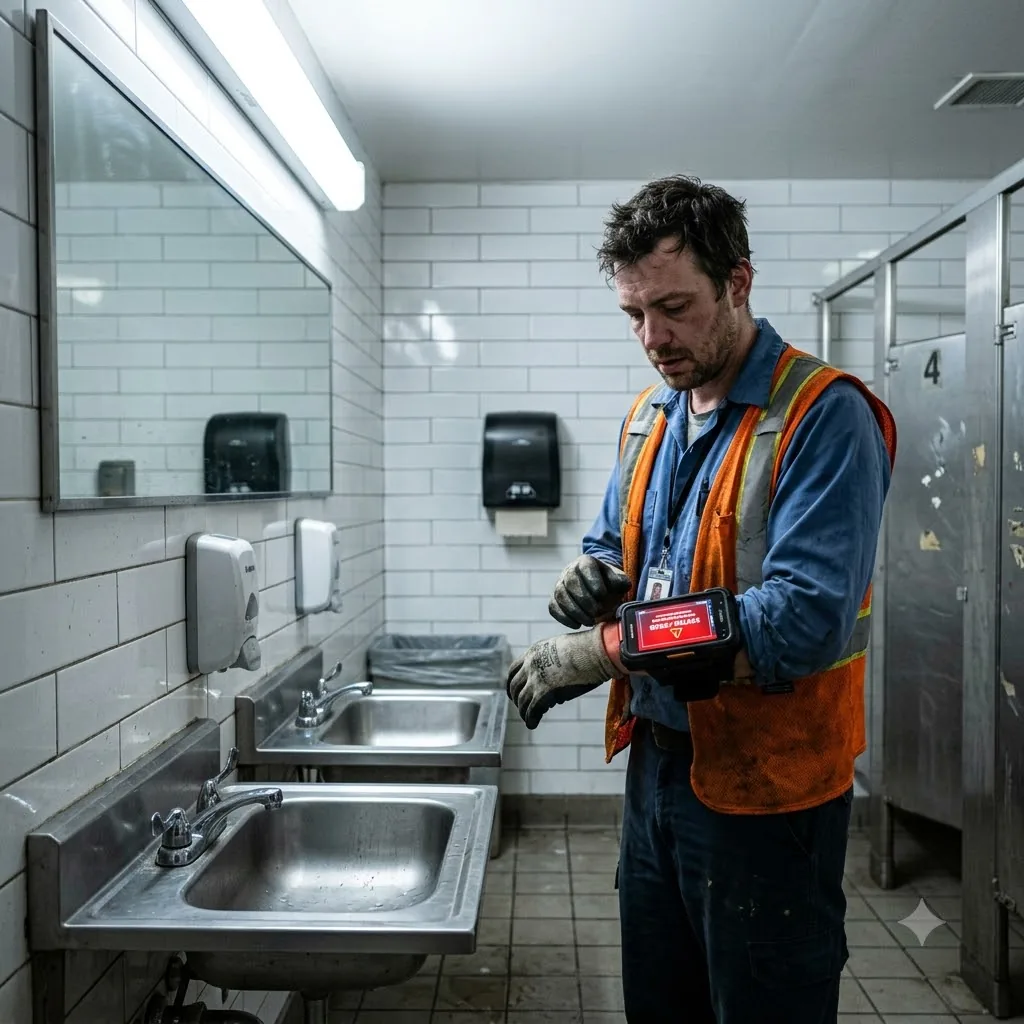
The cold porcelain of the warehouse sink offered Marcus no support as a sharp, familiar spasm radiated from his lower abdomen. On his left wrist, a heavy plastic scanner emitted a flat, rhythmic buzz, flashing a red digital countdown that read three minutes of Time Off Task remaining. He leaned heavily against the edge of the basin, waiting for the burning sensation to subside. The shrapnel from his deployment had missed his spine but left his bladder permanently compromised, making every bathroom break a slow, agonizing gamble against the company clock. The scanner vibrated again. Two minutes and thirty seconds. He turned on the industrial faucet, splashing ice-cold water over his face and neck. The fluorescent lights above hummed a steady, indifferent drone that matched the frantic ticking in his head. If that timer hit zero, the warehouse algorithm would automatically log a severe infraction on his employee record. Three infractions resulted in immediate, system-generated termination.
He dried his hands roughly on his coveralls, gripping his side as another wave of dull pain washed over him. The countdown blinked to one minute and forty-five seconds. He shoved the heavy metal bathroom door open and stepped out into the cavernous, echoing expanse of the fulfillment center. Forklifts zipped past like massive yellow insects, their backup alarms piercing the thick air. Marcus focused entirely on putting one heavy steel-toed boot in front of the other, calculating the exact distance to his packing station in Sector Four. He had sixty seconds to cross a football field of concrete. His breath came in ragged bursts, the scar tissue pulling tight with every stride.
At forty-five seconds, a figure in a neon safety vest stepped directly into the main aisle, blocking his path. It was Miller, the floor supervisor. Marcus instinctively reached for his badge, bracing for the lecture about efficiency and quotas. He tried to speak, to explain the delay, but Miller simply grabbed him by the elbow and steered him away from Sector Four. Miller did not look at the glowing red numbers on the wrist scanner. He marched Marcus down a side corridor toward the administrative wing, pushing him through a set of swinging doors into the main breakroom. The harsh warehouse noise vanished, replaced by the forced cheer of a corporate celebration. A massive vinyl banner hung unevenly across the vending machines, bearing the words Honoring Our Everyday Heroes. Red, white, and blue crepe paper twisted from the drop ceiling.
A woman in a sharp gray blazer stood in the center of the room, flanked by two people holding digital cameras. She held a stack of glossy pamphlets and wore a smile that did not reach her eyes. Miller shoved Marcus forward into the harsh glare of a portable lighting rig. Before Marcus could check his scanner, someone thrust a stiff, wooden-stick American flag into his right hand. The woman in the blazer stepped close, wrapping an arm around his shoulder, her perfume overwhelmingly sweet and entirely out of place in the industrial dust. She instructed him to look at the center lens. The cameras fired off a rapid series of blinding flashes. Marcus stood rigid, the wooden stick of the flag digging into his palm, his injured side throbbing under the tight grip of the executive.
She thanked him for his service in a loud, projected voice clearly intended for the recording device mounted on the camera rig. A young assistant with a clipboard rushed forward, taking down his name and employee identification number to caption the corporate social media post. The entire encounter felt entirely unmoored from reality. Marcus tried to glance down at his wrist. The screen of his scanner had gone entirely dark, the red numbers replaced by a spinning loading icon.
The photo op ended as abruptly as it began. The executive turned her back to review the images on a monitor. Miller took back the small flag, dropped it onto a plastic folding table, and jerked his head toward the exit. He told Marcus to get back to the line immediately. Marcus hurried out of the breakroom, his pulse pounding against his temples as he approached the security turnstile that separated the administrative wing from the active production floor. He raised his left arm, pressing the dark screen of his scanner against the glass reader pad to clock back in. The machine chimed a heavy, dissonant chord. A solid, unblinking red bar materialized across his scanner screen. The thick metal arms of the turnstile locked with a loud, metallic clack.
The cold porcelain of the warehouse sink offered Marcus no support as a sharp, familiar spasm radiated from his lower abdomen. On his left wrist, a heavy plastic scanner emitted a flat, rhythmic buzz, flashing a red digital countdown that read three minutes of Time Off Task remaining. He leaned heavily against the edge of the basin, waiting for the burning sensation to subside. The shrapnel from his deployment had missed his spine but left his bladder permanently compromised, making every bathroom break a slow, agonizing gamble against the company clock. The scanner vibrated again. Two minutes and thirty seconds. He turned on the industrial faucet, splashing ice-cold water over his face and neck. The fluorescent lights above hummed a steady, indifferent drone that matched the frantic ticking in his head. If that timer hit zero, the warehouse algorithm would automatically log a severe infraction on his employee record. Three infractions resulted in immediate, system-generated termination.
He dried his hands roughly on his coveralls, gripping his side as another wave of dull pain washed over him. The countdown blinked to one minute and forty-five seconds. He shoved the heavy metal bathroom door open and stepped out into the cavernous, echoing expanse of the fulfillment center. Forklifts zipped past like massive yellow insects, their backup alarms piercing the thick air. Marcus focused entirely on putting one heavy steel-toed boot in front of the other, calculating the exact distance to his packing station in Sector Four. He had sixty seconds to cross a football field of concrete. His breath came in ragged bursts, the scar tissue pulling tight with every stride.
At forty-five seconds, a figure in a neon safety vest stepped directly into the main aisle, blocking his path. It was Miller, the floor supervisor. Marcus instinctively reached for his badge, bracing for the lecture about efficiency and quotas. He tried to speak, to explain the delay, but Miller simply grabbed him by the elbow and steered him away from Sector Four. Miller did not look at the glowing red numbers on the wrist scanner. He marched Marcus down a side corridor toward the administrative wing, pushing him through a set of swinging doors into the main breakroom. The harsh warehouse noise vanished, replaced by the forced cheer of a corporate celebration. A massive vinyl banner hung unevenly across the vending machines, bearing the words Honoring Our Everyday Heroes. Red, white, and blue crepe paper twisted from the drop ceiling.
A woman in a sharp gray blazer stood in the center of the room, flanked by two people holding digital cameras. She held a stack of glossy pamphlets and wore a smile that did not reach her eyes. Miller shoved Marcus forward into the harsh glare of a portable lighting rig. Before Marcus could check his scanner, someone thrust a stiff, wooden-stick American flag into his right hand. The woman in the blazer stepped close, wrapping an arm around his shoulder, her perfume overwhelmingly sweet and entirely out of place in the industrial dust. She instructed him to look at the center lens. The cameras fired off a rapid series of blinding flashes. Marcus stood rigid, the wooden stick of the flag digging into his palm, his injured side throbbing under the tight grip of the executive.
She thanked him for his service in a loud, projected voice clearly intended for the recording device mounted on the camera rig. A young assistant with a clipboard rushed forward, taking down his name and employee identification number to caption the corporate social media post. The entire encounter felt entirely unmoored from reality. Marcus tried to glance down at his wrist. The screen of his scanner had gone entirely dark, the red numbers replaced by a spinning loading icon.
The photo op ended as abruptly as it began. The executive turned her back to review the images on a monitor. Miller took back the small flag, dropped it onto a plastic folding table, and jerked his head toward the exit. He told Marcus to get back to the line immediately. Marcus hurried out of the breakroom, his pulse pounding against his temples as he approached the security turnstile that separated the administrative wing from the active production floor. He raised his left arm, pressing the dark screen of his scanner against the glass reader pad to clock back in. The machine chimed a heavy, dissonant chord. A solid, unblinking red bar materialized across his scanner screen. The thick metal arms of the turnstile locked with a loud, metallic clack.