Story code: ST-001689
Part 1: Orphan to Tradition
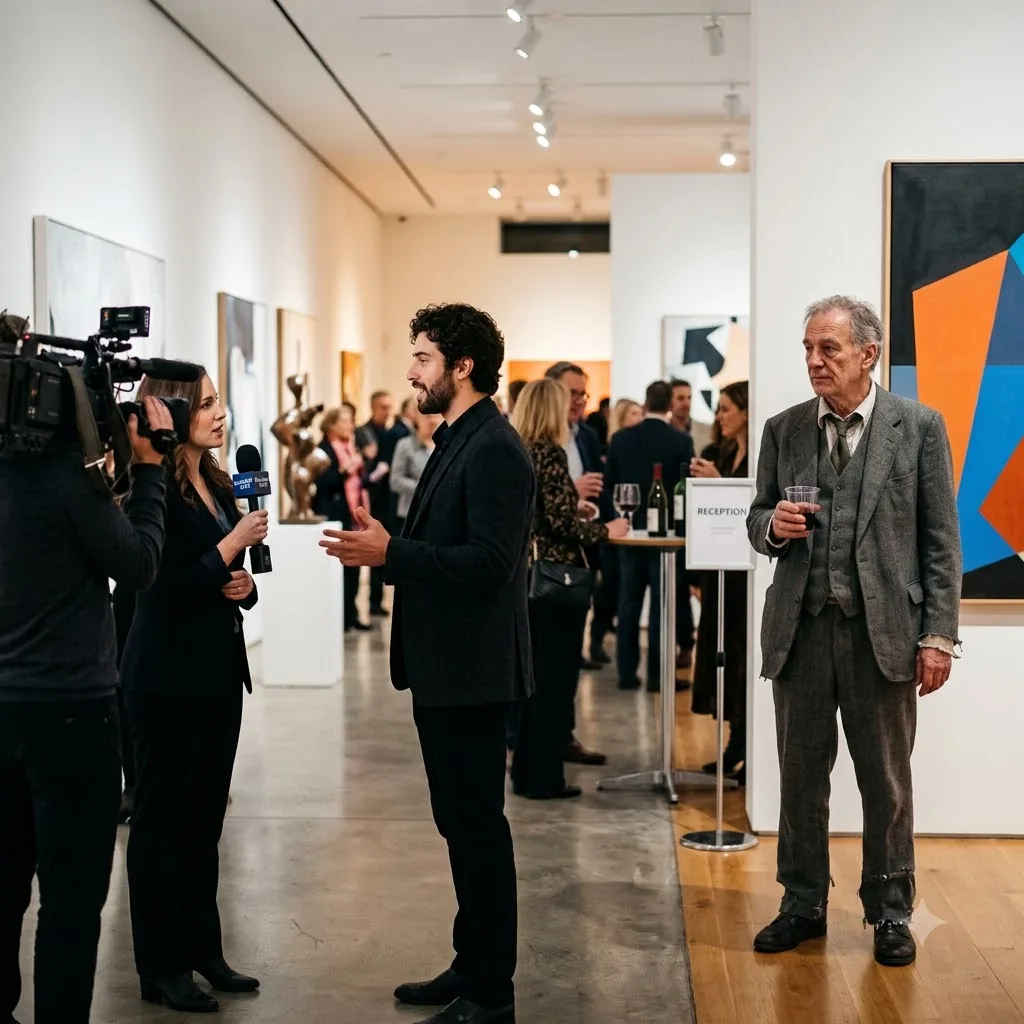
Elias stood by the exposed brick wall of the upscale Brooklyn gallery, his heavy thumb pressing a dent into a flimsy plastic cup of cheap red wine. The dark liquid sloshed against the rim, threatening to spill onto the sleeve of his worn, outdated wool suit. Ahead of him, bathed in the pristine, surgical light of track fixtures, the featured artist held court. Julian wore a bespoke velvet blazer that cost more than the rusted truck Elias drove to get here.
Three reporters formed a tight semicircle around Julian, thrusting digital recorders and smartphones toward his chest to catch his every word.
“My work is a complete departure from my origins,” Julian told a woman wearing oversized, geometric glasses. “I am entirely self-made. There was no inheritance, no patron, no safety net. I had to build all of this from absolute nothing.”
Elias took a slow sip of the wine. It tasted like copper and vinegar. His suit, tailored two decades ago for a funeral, felt heavy and suffocating in the climate-controlled room. The fabric was frayed at the cuffs, a stark contrast to the sleek silk and cashmere brushing past him in the crowd. He remained perfectly still, a gray shadow haunting the edge of the vibrant celebration.
“Tell us more about this toxic family tradition,” a second reporter said, swiping a finger across his tablet screen. “You mentioned it in the press release.”
Julian offered a practiced, melancholy smile to the crowd. He looked down for a moment, adjusting his cuffs to show a flash of an expensive silver watch. “It was a cycle of manual labor and crushed dreams. A suffocating environment where art was considered a frivolous waste of time. I had to sever every tie to that life to survive. I had to walk away and never look back. If I had stayed, I would have been swallowed whole by their small-minded mediocrity.”
Elias felt a dull ache in his knuckles. He shifted his weight, his heavy leather work boots squeaking slightly against the polished concrete floor. The gallery was quiet save for the sophisticated murmur of the collectors, the clanking of real crystal glasses, and the rapid clicking of camera shutters. The paintings hanging on the pristine white walls were massive, chaotic splashes of aggressive color that Elias did not pretend to understand. People in designer clothing stood before the canvases, nodding thoughtfully and pointing out invisible nuances. Elias did, however, understand the small red stickers placed next to the staggering price tags on the placards. Those numbers represented years of brutal overtime, ruined joints, and skipped meals.
“They refused to support your vision,” the woman with the glasses stated, holding her phone closer to Julian.
“They actively suppressed it,” Julian replied, his voice ringing out with rehearsed, theatrical sorrow. “I taught myself everything you see here. I bought my first supplies with money I scavenged from odd jobs around the neighborhood. Every brushstroke on these canvases is a testament to my total independence. I fought tooth and nail to escape the grim reality they tried to force onto me.”
Elias reached his right hand into his frayed jacket pocket. His fingers were thick, permanently stained at the cuticles with black motor oil and heavy machine grease that no amount of scrubbing could remove. They slid past a spare metal bolt he had forgotten about and found the folded, stiff paper resting at the very bottom. The paper was heavy stock, creased sharply down the middle, bearing the official embossed watermark of an elite Manhattan arts conservatory. It was a tuition receipt, stamped paid in full, smeared with a dark, permanent thumbprint of engine grease from the afternoon he had opened the envelope in the auto shop. He remembered the blinding heat of the garage that day, the smell of raw exhaust, and the absolute certainty that he was doing the right thing.
He kept his hand perfectly still inside his pocket, feeling the sharp edge of the paper against his calloused thumb.
“I stand here tonight,” Julian continued, his chin raised proudly for the flashing cameras, “as an orphan to that toxic tradition. I am a product of my own sheer will.”
Elias crushed the plastic cup in his left hand. The remaining wine dripped over his knuckles and onto the polished floor. He ignored the mess. He tightened his grip on the grease-stained receipt in his pocket and pushed off the brick wall.
The crowd was dense, packed with elite curators and wealthy buyers, but Elias moved with the blunt, unstoppable force of a man who spent forty years pulling transmissions. Shoulders bumped against him. Annoyed glances slid right off his fraying lapels.
“Look right here for a wide shot, Julian,” a photographer directed, raising a heavy camera with a massive flash attachment.
Elias stepped forward, cutting past a woman in a metallic silver dress. He stepped past the reporter with the tablet. He stopped exactly two feet in front of the camera lens, planting his steel-toed boots squarely in the flash zone.
The photographer lowered the camera with a heavy sigh. “Excuse me, sir, you are completely blocking the shot.”
Julian looked up, an irritated dismissal already forming on his lips. His gaze hit the fraying wool of Elias’s suit. He traced the fabric up to the worn collar, the gray stubble on the jawline, and finally, the familiar, exhausted eyes.
The practiced, melancholy smile vanished from the young artist’s face, replaced instantly by a chalky, terrified pallor.
Elias pulled his hand from his pocket, holding the grease-stained paper tightly between his heavy fingers.
“Hello, son,” Elias said, stepping directly into the blinding glare of the spotlight.
Elias stood by the exposed brick wall of the upscale Brooklyn gallery, his heavy thumb pressing a dent into a flimsy plastic cup of cheap red wine. The dark liquid sloshed against the rim, threatening to spill onto the sleeve of his worn, outdated wool suit. Ahead of him, bathed in the pristine, surgical light of track fixtures, the featured artist held court. Julian wore a bespoke velvet blazer that cost more than the rusted truck Elias drove to get here.
Three reporters formed a tight semicircle around Julian, thrusting digital recorders and smartphones toward his chest to catch his every word.
“My work is a complete departure from my origins,” Julian told a woman wearing oversized, geometric glasses. “I am entirely self-made. There was no inheritance, no patron, no safety net. I had to build all of this from absolute nothing.”
Elias took a slow sip of the wine. It tasted like copper and vinegar. His suit, tailored two decades ago for a funeral, felt heavy and suffocating in the climate-controlled room. The fabric was frayed at the cuffs, a stark contrast to the sleek silk and cashmere brushing past him in the crowd. He remained perfectly still, a gray shadow haunting the edge of the vibrant celebration.
“Tell us more about this toxic family tradition,” a second reporter said, swiping a finger across his tablet screen. “You mentioned it in the press release.”
Julian offered a practiced, melancholy smile to the crowd. He looked down for a moment, adjusting his cuffs to show a flash of an expensive silver watch. “It was a cycle of manual labor and crushed dreams. A suffocating environment where art was considered a frivolous waste of time. I had to sever every tie to that life to survive. I had to walk away and never look back. If I had stayed, I would have been swallowed whole by their small-minded mediocrity.”
Elias felt a dull ache in his knuckles. He shifted his weight, his heavy leather work boots squeaking slightly against the polished concrete floor. The gallery was quiet save for the sophisticated murmur of the collectors, the clanking of real crystal glasses, and the rapid clicking of camera shutters. The paintings hanging on the pristine white walls were massive, chaotic splashes of aggressive color that Elias did not pretend to understand. People in designer clothing stood before the canvases, nodding thoughtfully and pointing out invisible nuances. Elias did, however, understand the small red stickers placed next to the staggering price tags on the placards. Those numbers represented years of brutal overtime, ruined joints, and skipped meals.
“They refused to support your vision,” the woman with the glasses stated, holding her phone closer to Julian.
“They actively suppressed it,” Julian replied, his voice ringing out with rehearsed, theatrical sorrow. “I taught myself everything you see here. I bought my first supplies with money I scavenged from odd jobs around the neighborhood. Every brushstroke on these canvases is a testament to my total independence. I fought tooth and nail to escape the grim reality they tried to force onto me.”
Elias reached his right hand into his frayed jacket pocket. His fingers were thick, permanently stained at the cuticles with black motor oil and heavy machine grease that no amount of scrubbing could remove. They slid past a spare metal bolt he had forgotten about and found the folded, stiff paper resting at the very bottom. The paper was heavy stock, creased sharply down the middle, bearing the official embossed watermark of an elite Manhattan arts conservatory. It was a tuition receipt, stamped paid in full, smeared with a dark, permanent thumbprint of engine grease from the afternoon he had opened the envelope in the auto shop. He remembered the blinding heat of the garage that day, the smell of raw exhaust, and the absolute certainty that he was doing the right thing.
He kept his hand perfectly still inside his pocket, feeling the sharp edge of the paper against his calloused thumb.
“I stand here tonight,” Julian continued, his chin raised proudly for the flashing cameras, “as an orphan to that toxic tradition. I am a product of my own sheer will.”
Elias crushed the plastic cup in his left hand. The remaining wine dripped over his knuckles and onto the polished floor. He ignored the mess. He tightened his grip on the grease-stained receipt in his pocket and pushed off the brick wall.
The crowd was dense, packed with elite curators and wealthy buyers, but Elias moved with the blunt, unstoppable force of a man who spent forty years pulling transmissions. Shoulders bumped against him. Annoyed glances slid right off his fraying lapels.
“Look right here for a wide shot, Julian,” a photographer directed, raising a heavy camera with a massive flash attachment.
Elias stepped forward, cutting past a woman in a metallic silver dress. He stepped past the reporter with the tablet. He stopped exactly two feet in front of the camera lens, planting his steel-toed boots squarely in the flash zone.
The photographer lowered the camera with a heavy sigh. “Excuse me, sir, you are completely blocking the shot.”
Julian looked up, an irritated dismissal already forming on his lips. His gaze hit the fraying wool of Elias’s suit. He traced the fabric up to the worn collar, the gray stubble on the jawline, and finally, the familiar, exhausted eyes.
The practiced, melancholy smile vanished from the young artist’s face, replaced instantly by a chalky, terrified pallor.
Elias pulled his hand from his pocket, holding the grease-stained paper tightly between his heavy fingers.
“Hello, son,” Elias said, stepping directly into the blinding glare of the spotlight.