Story code: ST-001730
Part 1: The Transport
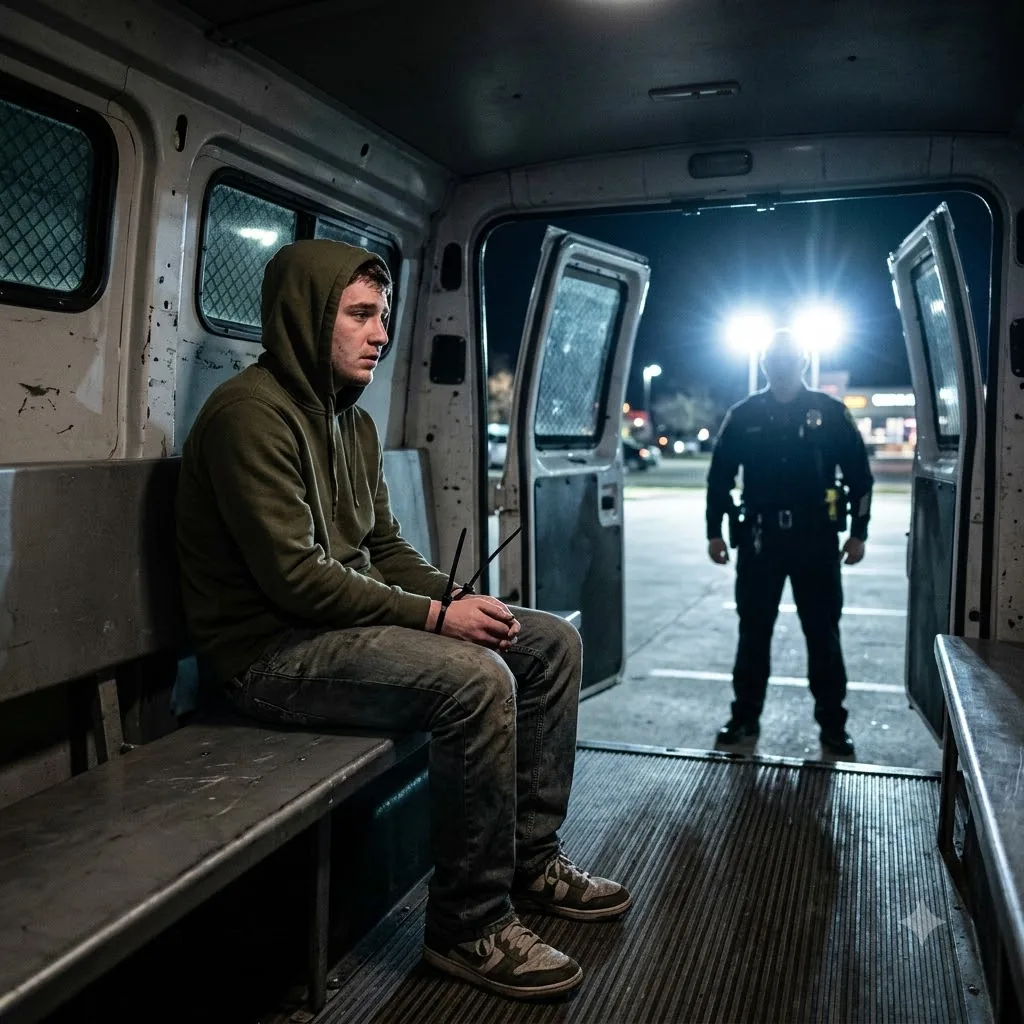
The ribbed plastic of the flex-cuffs bit into the raw skin of Mateo’s wrists with every lurch of the transport van. He pressed his shoulders against the vibrating steel wall, trying to escape the icy draft blasting from the floor vents, and squeezed his eyes shut. Cranial nerve one, olfactory. Cranial nerve two, optic. Cranial nerve three, oculomotor. He forced the words through his chattering teeth, clinging to the flashcards burned into his memory to drown out the roar of the tires on the asphalt.
The van swung hard around a blind corner, tossing him against the grated partition. The metal mesh bit through his thin cotton scrub top, bruising his collarbone. He righted himself, inhaling the sharp smell of diesel exhaust and stale sweat, deliberately forcing his breathing to slow. Trochlear. Trigeminal. Abducens. His pulse hammered a frantic rhythm in his throat, a physiological prelude to a full-blown panic attack. He recognized the symptoms from his textbooks. Tachycardia. Shallow respirations. Diaphoresis. He needed to think about the upcoming clinical practicum, the sterile smell of the hospital simulation lab, the familiar weight of his stethoscope around his neck. He could not afford to think about the flashing blue and red lights, or the abrupt, baffling escalation that had ended with him shoved face-first against the icy hood of his rusted sedan in the middle of a deserted intersection.
The silence from the front cab was absolute, severed only by the sporadic crackle of a dispatch radio. Mateo had never been inside the back of a police vehicle. The sheer lack of windows, the heavy reinforced cage, the absence of interior handles on the doors-it was an architecture designed entirely for the removal of human agency. He tested the tension in his bound arms. The zip-ties had zero give. Their edges were sharp enough to draw blood if he struggled, digging deeper into his radial artery with every bump in the road.
He went back to the bones of the hand. Scaphoid, lunate, triquetrum, pisiform. The rhythmic chant anchored him to the person he was just an hour ago: a nursing student exhausted from a twelve-hour shift at the free clinic, dreaming of his mattress. Now he was nameless cargo, locked in a freezing steel box, hurtling toward an unknown concrete destination. The severity of the restraints, the silent aggression of the officers who had practically thrown him into the compartment-it all pointed to a catastrophic misunderstanding. He had tried to speak, to offer his wallet, to explain himself, but they had simply commanded him to shut his mouth.
The engine downshifted with a heavy groan. The tires transitioned from smooth highway asphalt to the crunch of loose gravel, then slowed to a deliberate crawl. Heavy mechanized gates ground open outside with a metallic shriek that reverberated through the van’s chassis. The vehicle rolled forward and came to a jerky halt. Mateo’s stomach plummeted. Trapezium, trapezoid, capitate, hamate.
The engine cut off. Heavy boots slammed onto the pavement. The back doors swung outward with a hollow clang, letting in a blinding wash of harsh, artificial floodlights. A silhouette in a dark tactical uniform stood in the glare, pointing a thick, gloved finger toward a distant concrete loading dock.
Mateo stumbled out into the freezing night air, his legs numb from the cold and the awkward angle of the metal bench. Two other men were dragged from a separate compartment, their heads ducked down, shuffling forward in chained silence. Mateo joined the bleak procession, his cheap sneakers slipping on the damp, oil-stained concrete of the yard. They were herded like cattle toward a massive reinforced steel door that locked behind them with a definitive, echoing thud.
The intake area was a violent sensory assault of buzzing fluorescent lighting, ringing phones, and shouting guards. It smelled overwhelmingly of industrial bleach and floor wax. Mateo kept his gaze fixed on the scuffed linoleum, tracing the dark dirt trapped in the tile cracks. He just needed to find someone who would listen. He needed to show them the vital documents tucked deep inside the hidden lining of his canvas backpack, which a secondary officer was currently hauling in a clear plastic evidence bag toward a staging table.
Line up against the yellow tape on the floor, a guard barked, shoving a heavy hand against Mateo’s shoulder blade.
Mateo stumbled into place, his bound hands awkwardly braced against his stomach to keep his balance. A processing desk sat elevated on a wooden platform, shielded behind a thick slab of scratched, bulletproof plexiglass. An intake officer was hunched over a stained keyboard, his broad back turned to the holding pen as he aggressively clicked through a drop-down menu on a glowing desktop monitor.
The brass nameplate on the edge of the desk caught the harsh overhead glare. Mateo stared at the engraved letters. The breath stalled completely in his lungs. Facial nerve, vestibulocochlear, glossopharyngeal. The medical terms vanished from his mind, replaced by a sudden, freezing spike of adrenaline.
The officer hit the enter key with a loud clack and swiveled his heavy leather chair around to process the new arrivals. Mateo froze, his entire body going rigid. The man behind the scratched glass had the same jagged white scar cutting cleanly through his left eyebrow, the exact same rigid, intimidating posture that used to dominate their cramped shared bedroom a decade ago. The officer reached for a thick stack of blank intake forms, his dark eyes sweeping boredly over the line of trembling men before locking violently onto Mateo, the pen slipping entirely from his fingers and clattering onto the floor.
The ribbed plastic of the flex-cuffs bit into the raw skin of Mateo’s wrists with every lurch of the transport van. He pressed his shoulders against the vibrating steel wall, trying to escape the icy draft blasting from the floor vents, and squeezed his eyes shut. Cranial nerve one, olfactory. Cranial nerve two, optic. Cranial nerve three, oculomotor. He forced the words through his chattering teeth, clinging to the flashcards burned into his memory to drown out the roar of the tires on the asphalt.
The van swung hard around a blind corner, tossing him against the grated partition. The metal mesh bit through his thin cotton scrub top, bruising his collarbone. He righted himself, inhaling the sharp smell of diesel exhaust and stale sweat, deliberately forcing his breathing to slow. Trochlear. Trigeminal. Abducens. His pulse hammered a frantic rhythm in his throat, a physiological prelude to a full-blown panic attack. He recognized the symptoms from his textbooks. Tachycardia. Shallow respirations. Diaphoresis. He needed to think about the upcoming clinical practicum, the sterile smell of the hospital simulation lab, the familiar weight of his stethoscope around his neck. He could not afford to think about the flashing blue and red lights, or the abrupt, baffling escalation that had ended with him shoved face-first against the icy hood of his rusted sedan in the middle of a deserted intersection.
The silence from the front cab was absolute, severed only by the sporadic crackle of a dispatch radio. Mateo had never been inside the back of a police vehicle. The sheer lack of windows, the heavy reinforced cage, the absence of interior handles on the doors-it was an architecture designed entirely for the removal of human agency. He tested the tension in his bound arms. The zip-ties had zero give. Their edges were sharp enough to draw blood if he struggled, digging deeper into his radial artery with every bump in the road.
He went back to the bones of the hand. Scaphoid, lunate, triquetrum, pisiform. The rhythmic chant anchored him to the person he was just an hour ago: a nursing student exhausted from a twelve-hour shift at the free clinic, dreaming of his mattress. Now he was nameless cargo, locked in a freezing steel box, hurtling toward an unknown concrete destination. The severity of the restraints, the silent aggression of the officers who had practically thrown him into the compartment-it all pointed to a catastrophic misunderstanding. He had tried to speak, to offer his wallet, to explain himself, but they had simply commanded him to shut his mouth.
The engine downshifted with a heavy groan. The tires transitioned from smooth highway asphalt to the crunch of loose gravel, then slowed to a deliberate crawl. Heavy mechanized gates ground open outside with a metallic shriek that reverberated through the van’s chassis. The vehicle rolled forward and came to a jerky halt. Mateo’s stomach plummeted. Trapezium, trapezoid, capitate, hamate.
The engine cut off. Heavy boots slammed onto the pavement. The back doors swung outward with a hollow clang, letting in a blinding wash of harsh, artificial floodlights. A silhouette in a dark tactical uniform stood in the glare, pointing a thick, gloved finger toward a distant concrete loading dock.
Mateo stumbled out into the freezing night air, his legs numb from the cold and the awkward angle of the metal bench. Two other men were dragged from a separate compartment, their heads ducked down, shuffling forward in chained silence. Mateo joined the bleak procession, his cheap sneakers slipping on the damp, oil-stained concrete of the yard. They were herded like cattle toward a massive reinforced steel door that locked behind them with a definitive, echoing thud.
The intake area was a violent sensory assault of buzzing fluorescent lighting, ringing phones, and shouting guards. It smelled overwhelmingly of industrial bleach and floor wax. Mateo kept his gaze fixed on the scuffed linoleum, tracing the dark dirt trapped in the tile cracks. He just needed to find someone who would listen. He needed to show them the vital documents tucked deep inside the hidden lining of his canvas backpack, which a secondary officer was currently hauling in a clear plastic evidence bag toward a staging table.
Line up against the yellow tape on the floor, a guard barked, shoving a heavy hand against Mateo’s shoulder blade.
Mateo stumbled into place, his bound hands awkwardly braced against his stomach to keep his balance. A processing desk sat elevated on a wooden platform, shielded behind a thick slab of scratched, bulletproof plexiglass. An intake officer was hunched over a stained keyboard, his broad back turned to the holding pen as he aggressively clicked through a drop-down menu on a glowing desktop monitor.
The brass nameplate on the edge of the desk caught the harsh overhead glare. Mateo stared at the engraved letters. The breath stalled completely in his lungs. Facial nerve, vestibulocochlear, glossopharyngeal. The medical terms vanished from his mind, replaced by a sudden, freezing spike of adrenaline.
The officer hit the enter key with a loud clack and swiveled his heavy leather chair around to process the new arrivals. Mateo froze, his entire body going rigid. The man behind the scratched glass had the same jagged white scar cutting cleanly through his left eyebrow, the exact same rigid, intimidating posture that used to dominate their cramped shared bedroom a decade ago. The officer reached for a thick stack of blank intake forms, his dark eyes sweeping boredly over the line of trembling men before locking violently onto Mateo, the pen slipping entirely from his fingers and clattering onto the floor.