Story code: ST-001610
Part 1: High Threat Detected
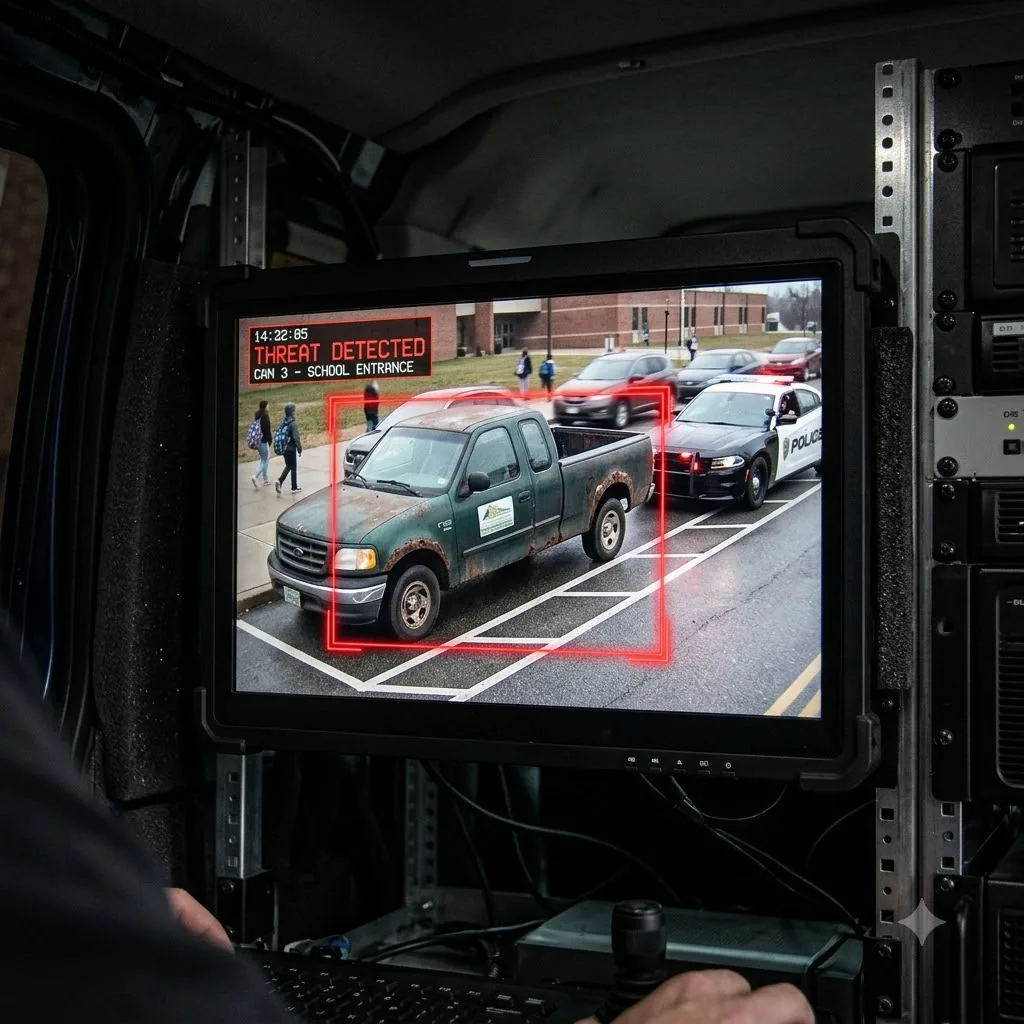
Greg leaned back in the ergonomic mesh chair of the mobile command unit, the glow of six 4K monitors washing his face in a cool, tactical blue. The SafeSchool Automated License Plate Reader system had been live for exactly fourteen minutes when the primary screen flashed crimson. A pulsing red box locked onto a rusted Ford F-150 entering the south drop-off lane, accompanied by scrolling text in heavy block letters declaring a HIGH THREAT DETECTED.
This was his masterpiece. Greg had spent the last eight months fighting the district administration for the two-million-dollar budget, arguing that passive cameras were practically useless in the modern era. He had demanded an active perimeter defense, a web of overlapping optical tripwires connected directly to state and federal databases. The AI did not hesitate or second-guess. It processed thousands of data points per second, read the incoming plates, cross-referenced the alpha-numeric strings against every high-alert registry in the country, and immediately initiated the appropriate lockdown protocol. On the very first morning of the fall semester, the system was validating every single dime of that massive budget.
Through the high-definition drone feed, Greg watched the morning rush of the campus. It was a chaotic river of nervous freshmen, waving parents, and heavy yellow buses groaning against the speed bumps. In the center of the mobile unit, entirely insulated from the noise outside, Greg felt only the sterile, calculated silence of total control. He reached forward and pressed the heavy rubber transmission button on his desk console.
“Control to intercept units two and four. We have a confirmed Code Red in the south lane. Target vehicle is boxed by morning traffic. Execute containment.”
The radio cracked immediately with a burst of static. “Copy, Control. Moving on the target.”
Greg shifted his attention to Camera Four, mounted high on the aluminum lighting stanchion above the student parking lot. The feed provided a perfect overhead view of the trap springing shut. Two campus interceptors, sleek and unmarked save for the hidden LED strobes in their grilles, slid out of the visitor parking cutouts. They moved without sirens to maintain the element of surprise. The drivers relied entirely on their reinforced push-bumpers and the overwhelming physical presence of their heavy vehicles to part the sea of pedestrian traffic.
The rusted landscaping truck, loaded down with wooden rakes and a cracked plastic wheelbarrow, inched forward in the bumper-to-bumper line of luxury SUVs and pristine minivans. The driver had absolutely no idea the net was already drawn tight around him.
The first interceptor angled sharply across the left lane, violently cutting off the Ford’s advance. Simultaneously, the second cruiser surged forward to pin the truck’s rear bumper, boxing the rusted vehicle securely against the raised concrete curb of the loading zone. The tactical precision was flawless. Greg felt a deep, resonant swell of satisfaction expand in his chest. This was exactly what he had designed the architecture to do. The system identified and neutralized threats before they ever reached the reinforced glass of the main building entrances.
Greg leaned closer to the center monitor, his index finger resting lightly on the aluminum zoom dial. The resolution of the new cameras was sharp enough to read the scuffed registration sticker on the truck’s shattered windshield. Three officers stepped out of the interceptors. They were fully equipped in their tactical vests, moving with the stiff, rehearsed urgency of a high-risk extraction. Greg tracked their hands, noting their unclasped holsters and their rigid, aggressive posture as they converged on the cab of the truck.
The driver’s side door of the landscaping vehicle swung open before the officers even reached the front fender. A man in paint-stained jeans and a faded gray work shirt stumbled out onto the asphalt. His hands were already raised flat above his head in a gesture of absolute, frantic surrender. Even through the silent video feed, Greg could clearly see the violent, uncontrollable shaking of the man’s narrow shoulders.
The driver was not displaying any aggressive posturing or reaching for his waistband. He was shrinking backward, his face pale and contorted in sheer panic as he looked at the officers. The lead guard shoved the man hard against the side of the truck bed, twisting his thin arms behind his back with practiced, overwhelming force. The man’s cheek pressed flat against the rusted metal of the truck, his mouth opening and closing as he shouted unheard words at the pavement.
Greg frowned, his finger tightening on the zoom dial. The physical profile on the screen did not align with the cold certainty of the system’s threat data. The algorithm was programmed to flag stolen vehicles, known violent offenders, and active felony warrants. The man pinned against the truck looked like he was about to pass out from pure, unadulterated terror. He kept trying to turn his head toward the cab of his truck, straining against the heavy grip of the arresting officer.
An officer on the right flank bypassed the struggle with the driver and moved aggressively toward the passenger side of the truck. The bustling drop-off lane around them had completely frozen into a silent tableau of horrified parents and staring teenagers. The officer gripped the chrome handle of the passenger door, braced his boots against the asphalt, and yanked the heavy metal backward so violently the hinges shuddered.
A weeping teenage girl in a crimson marching band jacket was ripped abruptly from the passenger seat.
Greg leaned back in the ergonomic mesh chair of the mobile command unit, the glow of six 4K monitors washing his face in a cool, tactical blue. The SafeSchool Automated License Plate Reader system had been live for exactly fourteen minutes when the primary screen flashed crimson. A pulsing red box locked onto a rusted Ford F-150 entering the south drop-off lane, accompanied by scrolling text in heavy block letters declaring a HIGH THREAT DETECTED.
This was his masterpiece. Greg had spent the last eight months fighting the district administration for the two-million-dollar budget, arguing that passive cameras were practically useless in the modern era. He had demanded an active perimeter defense, a web of overlapping optical tripwires connected directly to state and federal databases. The AI did not hesitate or second-guess. It processed thousands of data points per second, read the incoming plates, cross-referenced the alpha-numeric strings against every high-alert registry in the country, and immediately initiated the appropriate lockdown protocol. On the very first morning of the fall semester, the system was validating every single dime of that massive budget.
Through the high-definition drone feed, Greg watched the morning rush of the campus. It was a chaotic river of nervous freshmen, waving parents, and heavy yellow buses groaning against the speed bumps. In the center of the mobile unit, entirely insulated from the noise outside, Greg felt only the sterile, calculated silence of total control. He reached forward and pressed the heavy rubber transmission button on his desk console.
“Control to intercept units two and four. We have a confirmed Code Red in the south lane. Target vehicle is boxed by morning traffic. Execute containment.”
The radio cracked immediately with a burst of static. “Copy, Control. Moving on the target.”
Greg shifted his attention to Camera Four, mounted high on the aluminum lighting stanchion above the student parking lot. The feed provided a perfect overhead view of the trap springing shut. Two campus interceptors, sleek and unmarked save for the hidden LED strobes in their grilles, slid out of the visitor parking cutouts. They moved without sirens to maintain the element of surprise. The drivers relied entirely on their reinforced push-bumpers and the overwhelming physical presence of their heavy vehicles to part the sea of pedestrian traffic.
The rusted landscaping truck, loaded down with wooden rakes and a cracked plastic wheelbarrow, inched forward in the bumper-to-bumper line of luxury SUVs and pristine minivans. The driver had absolutely no idea the net was already drawn tight around him.
The first interceptor angled sharply across the left lane, violently cutting off the Ford’s advance. Simultaneously, the second cruiser surged forward to pin the truck’s rear bumper, boxing the rusted vehicle securely against the raised concrete curb of the loading zone. The tactical precision was flawless. Greg felt a deep, resonant swell of satisfaction expand in his chest. This was exactly what he had designed the architecture to do. The system identified and neutralized threats before they ever reached the reinforced glass of the main building entrances.
Greg leaned closer to the center monitor, his index finger resting lightly on the aluminum zoom dial. The resolution of the new cameras was sharp enough to read the scuffed registration sticker on the truck’s shattered windshield. Three officers stepped out of the interceptors. They were fully equipped in their tactical vests, moving with the stiff, rehearsed urgency of a high-risk extraction. Greg tracked their hands, noting their unclasped holsters and their rigid, aggressive posture as they converged on the cab of the truck.
The driver’s side door of the landscaping vehicle swung open before the officers even reached the front fender. A man in paint-stained jeans and a faded gray work shirt stumbled out onto the asphalt. His hands were already raised flat above his head in a gesture of absolute, frantic surrender. Even through the silent video feed, Greg could clearly see the violent, uncontrollable shaking of the man’s narrow shoulders.
The driver was not displaying any aggressive posturing or reaching for his waistband. He was shrinking backward, his face pale and contorted in sheer panic as he looked at the officers. The lead guard shoved the man hard against the side of the truck bed, twisting his thin arms behind his back with practiced, overwhelming force. The man’s cheek pressed flat against the rusted metal of the truck, his mouth opening and closing as he shouted unheard words at the pavement.
Greg frowned, his finger tightening on the zoom dial. The physical profile on the screen did not align with the cold certainty of the system’s threat data. The algorithm was programmed to flag stolen vehicles, known violent offenders, and active felony warrants. The man pinned against the truck looked like he was about to pass out from pure, unadulterated terror. He kept trying to turn his head toward the cab of his truck, straining against the heavy grip of the arresting officer.
An officer on the right flank bypassed the struggle with the driver and moved aggressively toward the passenger side of the truck. The bustling drop-off lane around them had completely frozen into a silent tableau of horrified parents and staring teenagers. The officer gripped the chrome handle of the passenger door, braced his boots against the asphalt, and yanked the heavy metal backward so violently the hinges shuddered.
A weeping teenage girl in a crimson marching band jacket was ripped abruptly from the passenger seat.