Story code: ST-001815
Part 1: The Mop-Up
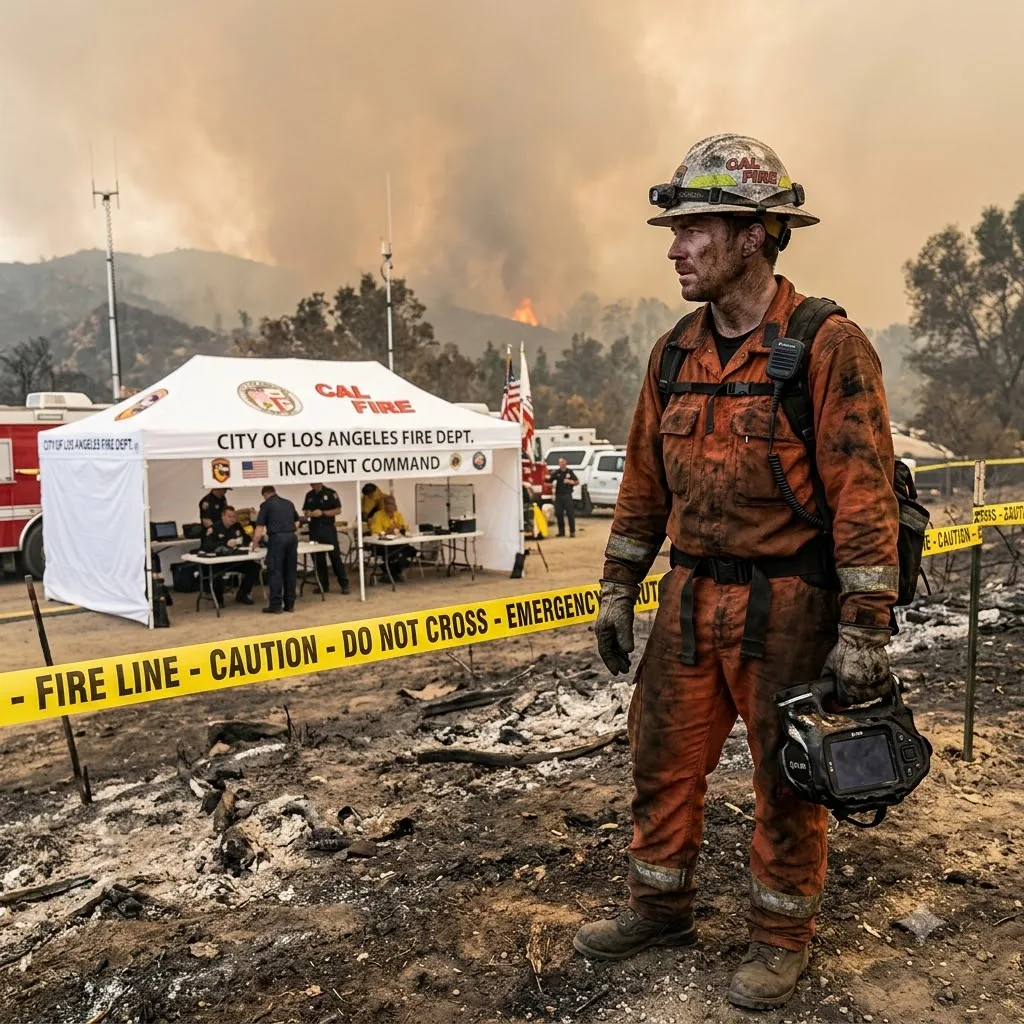
The ash ground radiated a suffocating, boot-melting heat as Marcus scraped the last embers of the perimeter line. He leaned his pulaski against a charred pine stump and wiped a mixture of soot and sweat from his eyes, his bright orange Nomex suit clinging to him like a second skin. It was the mop-up phase, the grueling final stage of the wildfire where every inch of dirt had to be sifted for hidden sparks by hand. Around him, the rest of Con Crew 4 collapsed onto the pulverized earth. They were too physically drained to speak, their chests heaving in the smoke-choked air.
Dinner arrived in a battered cardboard box dumped near the transport bus. Marcus retrieved his allotted portion and sat on a fallen log, unwrapping a smashed bologna sandwich that had been sitting in a plastic cooler since dawn. The white bread was damp with condensation. The meat was lukewarm. He chewed the tasteless calories mechanically, his gaze drifting across the invisible boundary that separated the inmate workers from the municipal firefighters.
Fifty yards away, the city crews had set up a sprawling staging area under a pair of white pop-up canopies. They were out of their heavy turnout gear, lounging in comfortable uniform t-shirts and navy suspenders. The evening wind shifted, carrying the rich, smoky aroma of catered beef brisket over the acrid smell of burning pine. Marcus watched a young municipal rookie pile thick slices of meat and dripping macaroni salad onto a heavy-duty paper plate. The rookie laughed at something his strike team leader said, taking a relaxed pull from a cold bottle of blue sports drink.
Marcus looked back down at his damp sandwich. One dollar an hour. That was the mandated rate for the orange suits. They dug the trenches, they cut the primary lines, they swallowed the worst of the smoke, and they ate the cold scraps.
But the disparity in the food was just a minor insult compared to the heavy, heat-resistant plastic brick resting in the side pouch of Marcus’s canvas line pack.
He reached down and unbuckled the thick nylon flap. His blistered fingers brushed the reinforced casing of the thermal imaging camera. It was a top-tier model, the kind that cost more than Marcus would make in ten full years on the fire line. He had found it three hours ago, lying completely abandoned in a steep ravine choked with unburned manzanita brush.
The camera had not just been dropped in passing. It had been left squarely on top of an active, smoldering spot fire that the municipal rookie was supposed to be cold-trailing. The rookie had walked away from a live bed of superheated coals to take a water break. The canyon wind had caught that neglected spot fire exactly ten minutes later. Marcus and his crew had been working on a steep grade directly above that ravine. If Marcus had not smelled the sudden shift in the smoke and rushed down to suppress the flare-up, the blaze would have immediately crowned into the pine canopy. The entire inmate crew would have been trapped against a sheer rock wall with no deployment zone.
They had barely put it out in time. Marcus had found the camera sitting in the dirt right where the fire had reignited, a silent witness to a tactical blunder that nearly cost twelve men their lives.
Marcus wrapped his hand tightly around the camera handle. He had his first parole board hearings in exactly two months. The golden rule of the inmate hand crew was to keep your head down, swing your hand tool, and never speak to the municipal command structure unless explicitly spoken to. Rocking the boat meant getting written up by the guards, and a write-up meant an automatic parole denial. He was supposed to hand the camera to his own unit captain, keep his mouth shut, and let it go.
Instead, Marcus stood up. He dropped his half-eaten sandwich onto the log and started walking across the staging area.
His heavy boots crunched loudly on the baked earth. Several of the other inmates looked up, their expressions tightening with urgent alarm. Marcus ignored them. He kept his eyes locked on the white canopies. The distance felt much longer than fifty yards. The smell of the barbecue grew overpowering, mixing with the scent of fresh coffee and citrus hand cleaner.
He crossed the invisible line into the command zone. A couple of the municipal firefighters stopped chewing their brisket to stare at the soot-covered man in the bright orange suit walking uninvited into their camp. Marcus held the thermal camera firmly by its strap, letting it swing slightly against his leg.
He aimed straight for the Chief, a broad-shouldered man with silver hair who was leaning against the open tailgate of a red command truck. The Chief was currently listening to the rookie.
Marcus slowed his pace as he approached the side of the truck, stepping close enough now to hear the conversation clearly. The rookie was leaning against the fender, gesturing widely with a plastic fork.
The rookie was complaining about the ash ruining the internal filters on his personal respirator, insisting that the city needed to reimburse him for the replacement parts immediately. He spoke with the casual, entitled frustration of someone who had never faced a real, life-altering consequence. The Chief nodded slowly, his expression entirely unreadable, though his eyes flicked constantly to the rookie’s face in a tight, assessing manner.
Marcus did not wait for the rookie to finish his sentence about the poor air quality. He stepped directly into the narrow space between the rookie and the Chief, raising his soot-stained arm to drop the heavy thermal camera right onto the metal tailgate with a loud, ringing slam.
The ash ground radiated a suffocating, boot-melting heat as Marcus scraped the last embers of the perimeter line. He leaned his pulaski against a charred pine stump and wiped a mixture of soot and sweat from his eyes, his bright orange Nomex suit clinging to him like a second skin. It was the mop-up phase, the grueling final stage of the wildfire where every inch of dirt had to be sifted for hidden sparks by hand. Around him, the rest of Con Crew 4 collapsed onto the pulverized earth. They were too physically drained to speak, their chests heaving in the smoke-choked air.
Dinner arrived in a battered cardboard box dumped near the transport bus. Marcus retrieved his allotted portion and sat on a fallen log, unwrapping a smashed bologna sandwich that had been sitting in a plastic cooler since dawn. The white bread was damp with condensation. The meat was lukewarm. He chewed the tasteless calories mechanically, his gaze drifting across the invisible boundary that separated the inmate workers from the municipal firefighters.
Fifty yards away, the city crews had set up a sprawling staging area under a pair of white pop-up canopies. They were out of their heavy turnout gear, lounging in comfortable uniform t-shirts and navy suspenders. The evening wind shifted, carrying the rich, smoky aroma of catered beef brisket over the acrid smell of burning pine. Marcus watched a young municipal rookie pile thick slices of meat and dripping macaroni salad onto a heavy-duty paper plate. The rookie laughed at something his strike team leader said, taking a relaxed pull from a cold bottle of blue sports drink.
Marcus looked back down at his damp sandwich. One dollar an hour. That was the mandated rate for the orange suits. They dug the trenches, they cut the primary lines, they swallowed the worst of the smoke, and they ate the cold scraps.
But the disparity in the food was just a minor insult compared to the heavy, heat-resistant plastic brick resting in the side pouch of Marcus’s canvas line pack.
He reached down and unbuckled the thick nylon flap. His blistered fingers brushed the reinforced casing of the thermal imaging camera. It was a top-tier model, the kind that cost more than Marcus would make in ten full years on the fire line. He had found it three hours ago, lying completely abandoned in a steep ravine choked with unburned manzanita brush.
The camera had not just been dropped in passing. It had been left squarely on top of an active, smoldering spot fire that the municipal rookie was supposed to be cold-trailing. The rookie had walked away from a live bed of superheated coals to take a water break. The canyon wind had caught that neglected spot fire exactly ten minutes later. Marcus and his crew had been working on a steep grade directly above that ravine. If Marcus had not smelled the sudden shift in the smoke and rushed down to suppress the flare-up, the blaze would have immediately crowned into the pine canopy. The entire inmate crew would have been trapped against a sheer rock wall with no deployment zone.
They had barely put it out in time. Marcus had found the camera sitting in the dirt right where the fire had reignited, a silent witness to a tactical blunder that nearly cost twelve men their lives.
Marcus wrapped his hand tightly around the camera handle. He had his first parole board hearings in exactly two months. The golden rule of the inmate hand crew was to keep your head down, swing your hand tool, and never speak to the municipal command structure unless explicitly spoken to. Rocking the boat meant getting written up by the guards, and a write-up meant an automatic parole denial. He was supposed to hand the camera to his own unit captain, keep his mouth shut, and let it go.
Instead, Marcus stood up. He dropped his half-eaten sandwich onto the log and started walking across the staging area.
His heavy boots crunched loudly on the baked earth. Several of the other inmates looked up, their expressions tightening with urgent alarm. Marcus ignored them. He kept his eyes locked on the white canopies. The distance felt much longer than fifty yards. The smell of the barbecue grew overpowering, mixing with the scent of fresh coffee and citrus hand cleaner.
He crossed the invisible line into the command zone. A couple of the municipal firefighters stopped chewing their brisket to stare at the soot-covered man in the bright orange suit walking uninvited into their camp. Marcus held the thermal camera firmly by its strap, letting it swing slightly against his leg.
He aimed straight for the Chief, a broad-shouldered man with silver hair who was leaning against the open tailgate of a red command truck. The Chief was currently listening to the rookie.
Marcus slowed his pace as he approached the side of the truck, stepping close enough now to hear the conversation clearly. The rookie was leaning against the fender, gesturing widely with a plastic fork.
The rookie was complaining about the ash ruining the internal filters on his personal respirator, insisting that the city needed to reimburse him for the replacement parts immediately. He spoke with the casual, entitled frustration of someone who had never faced a real, life-altering consequence. The Chief nodded slowly, his expression entirely unreadable, though his eyes flicked constantly to the rookie’s face in a tight, assessing manner.
Marcus did not wait for the rookie to finish his sentence about the poor air quality. He stepped directly into the narrow space between the rookie and the Chief, raising his soot-stained arm to drop the heavy thermal camera right onto the metal tailgate with a loud, ringing slam.