Story code: ST-001816
Part 1: The Zero-Carbon Hypocrite
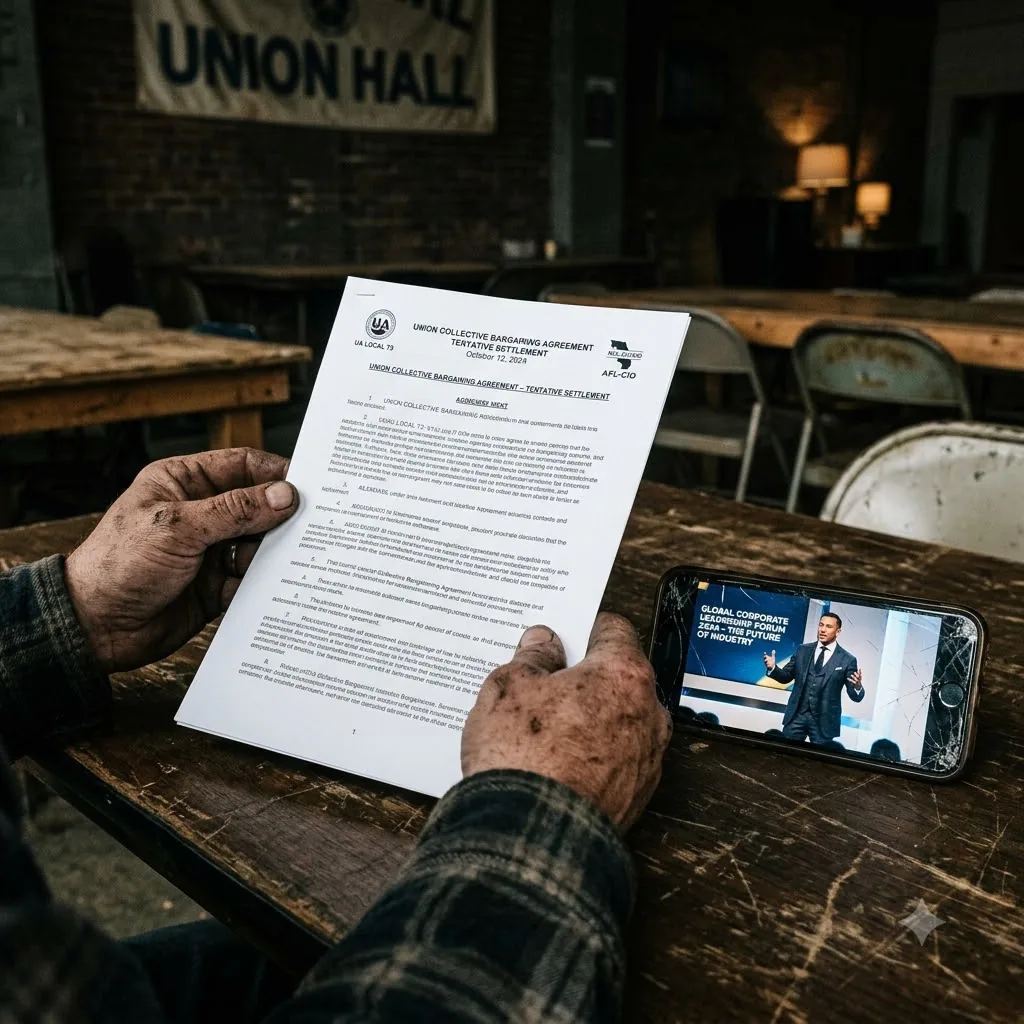
The cold seeped through the concrete floor of the New Bedford union hall, biting at Mack’s steel-toed boots. He sat alone in the folding chair, a stiff legal document gripped in his grease-stained hands. Through the fogged windows, men in high-vis jackets were throwing their duffel bags into pickup trucks, two hundred offshore wind jobs erased by a single signature. On the cracked screen of Mack’s phone, resting on the folding table, his former startup partner Arthur smiled out from a TEDx stage. The video had auto-played, the audio tinny and cheerful, praising the unstoppable momentum of the green energy revolution.
Mack tapped the screen to mute Arthur’s radiant face. The silence in the cavernous hall amplified the rustle of the injunction papers in his hand. The court order was absolute. Construction on the offshore turbine array was halted indefinitely, citing severe ecological disruption to migratory patterns, filed on behalf of a coastal preservation coalition. Mack read the plaintiff’s name again. Nantucket Sound Heritage Trust. Below the aggressive legalese, the registered address was a sterile PO Box. The zip code, however, anchored his eyes. Zero, two, five, five, four.
He knew that zip code. He had typed it into shipping manifests and overnight parcels during the early days, back when he and Arthur operated out of a damp Somerville garage. It belonged to the exclusive stretch of coastal bluffs where Arthur now resided in a sprawling estate, a compound funded by their initial green-tech buyout. The buyout Arthur had engineered to push Mack out and pivot the company toward consulting instead of manufacturing.
Mack rubbed his thumb over the raised seal of the court clerk. The paper felt heavy, loaded with a quiet malice. He stood up, his breath pluming in the unheated air, and walked toward the window. Outside, a flatbed truck was securing a massive white turbine blade, preparing to haul it away to a salvage yard or a storage facility in the desert. The men who were supposed to assemble the future of regional power were now exchanging grim handshakes, their livelihoods crushed by an anonymous trust operating from the same secluded neighborhood as the state’s loudest sustainability evangelist.
He pocketed his phone, leaving Arthur’s muted, grinning face to drain the battery in the dark. Pushing through the heavy metal doors, Mack stepped into the biting wind coming off the harbor. The air tasted of diesel and salt. A foreman, heavy-set and pale, gave Mack a silent nod before climbing into a Ford. The defeat in the man’s posture mirrored the slump in Mack’s own shoulders. Five years of permitting, engineering, and backbreaking logistics had been dismantled overnight by a ghost entity with a luxury zip code.
Mack climbed into his battered Tacoma. He spread the injunction across the steering wheel. The alignment of the zip code could be a coincidence. Rich people loved coastal preservation when it kept the horizon clear of steel towers. Yet the precision of the injunction, targeting the specific supply chain vulnerabilities Mack had designed, felt deeply personal. The legal filing cited structural weaknesses in the seabed anchoring system, data that only the original founding team had access to before the blueprints went public.
He turned the key in the ignition, the engine sputtering before settling into a rough idle. His hands gripped the steering wheel, knuckles white against the cracked leather. The heater blew tepid air against his face, doing little to thaw the deep chill settling in his chest. He pulled out of the gravel lot, leaving the skeletal remains of the staging area behind. The drive to the mainland ferry terminal took twenty minutes of silent, tense navigation through the industrial port traffic.
At the terminal, Mack bypassed the commuter line and headed straight for the ticket window. The clerk looked bored, stamping passes for tourists and island contractors. Mack slapped his debit card on the counter and requested a vehicle pass for the next boat to the island. He needed to see the estate. He needed to look at the physical space where the PO Box was registered, to find the connection between the polished guru on his screen and the shattered steel on the docks.
The ferry horn blasted, a low, mournful sound that rattled the windows of the ticket booth. Mack snatched his receipt and drove onto the steel deck of the vessel. He parked behind a truck loaded with landscaping equipment, killing the engine. The boat lurched forward, breaking the surface tension of the dark harbor water. Mack unrolled the passenger window, letting the freezing spray hit his face. He stared at the approaching grey line of the island on the horizon, pulling the injunction from his pocket one last time to trace the numbers of the zip code with his frozen finger.
A sharp tap on his driver-side window shattered his focus. Mack turned to see a man in a dark wool overcoat standing on the car deck, rain dripping from the brim of his hat. The man held a thick manila folder against his chest, shielding it from the wind. He gestured for Mack to roll down the window, his expression tight and urgent.
The cold seeped through the concrete floor of the New Bedford union hall, biting at Mack’s steel-toed boots. He sat alone in the folding chair, a stiff legal document gripped in his grease-stained hands. Through the fogged windows, men in high-vis jackets were throwing their duffel bags into pickup trucks, two hundred offshore wind jobs erased by a single signature. On the cracked screen of Mack’s phone, resting on the folding table, his former startup partner Arthur smiled out from a TEDx stage. The video had auto-played, the audio tinny and cheerful, praising the unstoppable momentum of the green energy revolution.
Mack tapped the screen to mute Arthur’s radiant face. The silence in the cavernous hall amplified the rustle of the injunction papers in his hand. The court order was absolute. Construction on the offshore turbine array was halted indefinitely, citing severe ecological disruption to migratory patterns, filed on behalf of a coastal preservation coalition. Mack read the plaintiff’s name again. Nantucket Sound Heritage Trust. Below the aggressive legalese, the registered address was a sterile PO Box. The zip code, however, anchored his eyes. Zero, two, five, five, four.
He knew that zip code. He had typed it into shipping manifests and overnight parcels during the early days, back when he and Arthur operated out of a damp Somerville garage. It belonged to the exclusive stretch of coastal bluffs where Arthur now resided in a sprawling estate, a compound funded by their initial green-tech buyout. The buyout Arthur had engineered to push Mack out and pivot the company toward consulting instead of manufacturing.
Mack rubbed his thumb over the raised seal of the court clerk. The paper felt heavy, loaded with a quiet malice. He stood up, his breath pluming in the unheated air, and walked toward the window. Outside, a flatbed truck was securing a massive white turbine blade, preparing to haul it away to a salvage yard or a storage facility in the desert. The men who were supposed to assemble the future of regional power were now exchanging grim handshakes, their livelihoods crushed by an anonymous trust operating from the same secluded neighborhood as the state’s loudest sustainability evangelist.
He pocketed his phone, leaving Arthur’s muted, grinning face to drain the battery in the dark. Pushing through the heavy metal doors, Mack stepped into the biting wind coming off the harbor. The air tasted of diesel and salt. A foreman, heavy-set and pale, gave Mack a silent nod before climbing into a Ford. The defeat in the man’s posture mirrored the slump in Mack’s own shoulders. Five years of permitting, engineering, and backbreaking logistics had been dismantled overnight by a ghost entity with a luxury zip code.
Mack climbed into his battered Tacoma. He spread the injunction across the steering wheel. The alignment of the zip code could be a coincidence. Rich people loved coastal preservation when it kept the horizon clear of steel towers. Yet the precision of the injunction, targeting the specific supply chain vulnerabilities Mack had designed, felt deeply personal. The legal filing cited structural weaknesses in the seabed anchoring system, data that only the original founding team had access to before the blueprints went public.
He turned the key in the ignition, the engine sputtering before settling into a rough idle. His hands gripped the steering wheel, knuckles white against the cracked leather. The heater blew tepid air against his face, doing little to thaw the deep chill settling in his chest. He pulled out of the gravel lot, leaving the skeletal remains of the staging area behind. The drive to the mainland ferry terminal took twenty minutes of silent, tense navigation through the industrial port traffic.
At the terminal, Mack bypassed the commuter line and headed straight for the ticket window. The clerk looked bored, stamping passes for tourists and island contractors. Mack slapped his debit card on the counter and requested a vehicle pass for the next boat to the island. He needed to see the estate. He needed to look at the physical space where the PO Box was registered, to find the connection between the polished guru on his screen and the shattered steel on the docks.
The ferry horn blasted, a low, mournful sound that rattled the windows of the ticket booth. Mack snatched his receipt and drove onto the steel deck of the vessel. He parked behind a truck loaded with landscaping equipment, killing the engine. The boat lurched forward, breaking the surface tension of the dark harbor water. Mack unrolled the passenger window, letting the freezing spray hit his face. He stared at the approaching grey line of the island on the horizon, pulling the injunction from his pocket one last time to trace the numbers of the zip code with his frozen finger.
A sharp tap on his driver-side window shattered his focus. Mack turned to see a man in a dark wool overcoat standing on the car deck, rain dripping from the brim of his hat. The man held a thick manila folder against his chest, shielding it from the wind. He gestured for Mack to roll down the window, his expression tight and urgent.