Story code: ST-001816
Part 4: Radical Transparency
Arthur’s warm hand rested on Mack’s soaking canvas jacket. The fabric was heavy with freezing rain, but Arthur didn’t seem to notice the dampness ruining his cashmere sleeve. He was too busy smiling, completely insulated by his own reality.
“Micro-greens,” Mack repeated, his voice hollow.
“AI-driven,” Arthur corrected, patting his shoulder. “It’s the future, Mack. Clean. Scalable. No steel. No seabed anchors. No angry guys in union halls.”
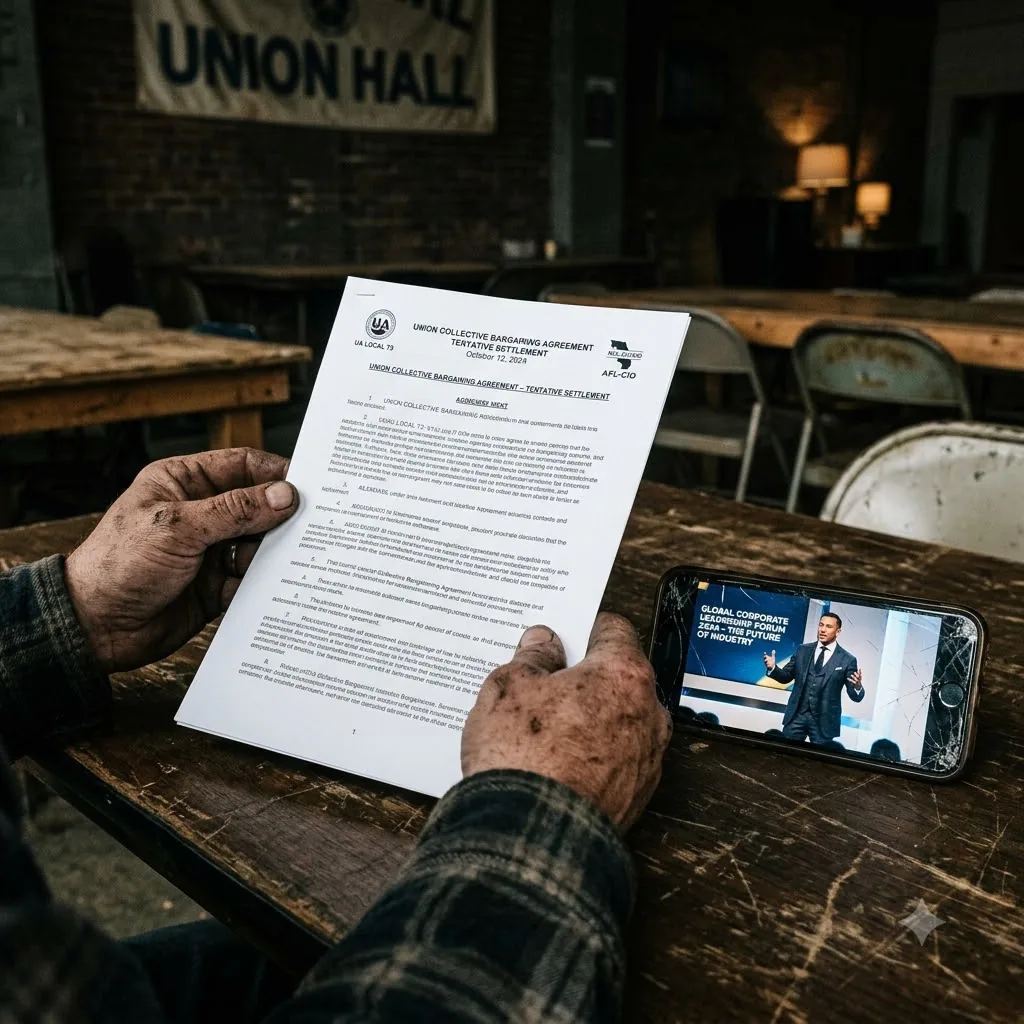
Mack looked down at the sixty-thousand-dollar rug, then out the floor-to-ceiling windows at the black, churning ocean. He thought about the heavy silence in the union hall in New Bedford, the defeated slump of the foreman’s shoulders as he threw his duffel bag into his truck. Mack took a slow step backward, letting Arthur’s hand drop into empty air.
“No thanks, Arthur.”
Arthur’s smile thinned. The polished veneer cracked just enough to show the severe impatience beneath. “Don’t be a martyr, Mack. The federal complaint gets filed at eight tomorrow morning. You don’t have the legal team to fight the Heritage Trust. You don’t have the money to fight the state. You walk out that door, you’re looking at ten years in a federal penitentiary for defrauding an environmental board.”
“I’ll take my chances,” Mack said.
He turned his back on the radiant-heated floors and walked toward the sliding glass doors. The four private security men stepped into his path, their postures rigid, hands hovering near their belts. Mack didn’t break stride. He just kept walking, his muddy boots leaving dark stains on the pristine wood.
“Let him go,” Arthur sighed from the kitchen island, picking up his glass of sparkling water. “He’s cold, he’s tired, and he’s not thinking straight. He’ll be begging to sign the NDA by midnight.”
The glass doors slid open, and the roaring wind swallowed Mack instantly. The freezing rain pelted his face as he marched back up the dark, muddy dune. The floodlights from the trenching ship cast long, grotesque shadows across the beach grass. When he reached the utility shoulder, his battered Tacoma was sitting exactly where he left it. The black SUVs were gone. His phone and binoculars were resting neatly on the hood, soaking wet but perfectly intact.
Mack unlocked the truck and climbed inside. He didn’t start the engine. The cab was freezing, the scent of wet wool and ozone clinging to the air.
He reached down to his left wrist and pulled back the wet cuff of his jacket. Fastened over his thermal sleeve was a bulky, heavily scratched smart-module strapped to a nylon band. The security men had thoroughly patted down his pockets, confiscating his phone, but they had completely ignored the scuffed piece of plastic on his wrist. They didn’t know it was a specialized offshore field-comm unit. Mack had built it in their Somerville garage five years ago to record acoustic stress tests from the maintenance drones at sea.
Mack pressed the grooved tactile button on the side of the housing. A tiny amber light blinked off. It had been recording since the moment he crested the dune.
His fingers were stiff from the cold, fumbling as he plugged a frayed USB cable into the module and connected it to his cracked dashboard laptop. The screen flickered to life, illuminating his grease-stained hands. He didn’t need a corporate lawyer to fight Arthur. He just needed the infrastructure they had built together.
Mack opened a terminal window and pinged the legacy offshore drone network. It was an open-source public data relay they had established during their first round of funding. Arthur had adamantly insisted on keeping the network live as a PR stunt for “radical transparency,” allowing venture capitalists, state regulators, and environmental bloggers to monitor real-time acoustic telemetry from the ocean.
Mack navigated past the automated weather feeds and accessed the root directory. He dragged the newly minted audio file into the primary broadcast queue. He didn’t bother editing it. He named the file *Nantucket_Sound_Heritage_Trust_Sector_4_Review.wav*.
He bypassed the standard scheduling protocol and initiated an emergency override, pushing the audio file as a priority notification to all five thousand active subscribers on the network.
Mack hit enter.
The upload bar flashed green.
A second later, his own waterlogged phone buzzed on the passenger seat. An automated email alert from the transparency network popped up on the cracked glass. Mack tapped the link.
The audio began to play through the truck’s tinny speakers, perfectly crisp despite the background hum of Arthur’s massive climate control system.
*”Because of the view, Mack!”* Arthur’s unhinged scream filled the cold cab. *”I spent forty-five million dollars on that Vineyard property!… I host senators and venture capitalists! I cannot have my guests staring at heavy industry while we discuss global mindfulness! I tried to bribe the zoning board, Mack. I tried!”*
Mack leaned his head back against the seat, listening as the recording captured every damning word. The confession to forging the environmental documents. The admission of the fake heritage trust. The petty, devastating truth behind the destruction of two hundred livelihoods. The audio loop finished, automatically resetting for the thousands of regulators, journalists, and investors who were currently opening the exact same alert in their warm homes.
Mack unplugged the comms unit and tossed it onto the passenger seat. He turned the key in the ignition. The Tacoma sputtered, then roared to life, the heater slowly blowing warm air against his face.
His phone began to vibrate wildly, a sustained, frantic buzz. Unknown numbers from Boston area codes. News outlets. State agency prefixes. The federal fraud trap Arthur had set was already dissolving, replaced by a legal and public relations firestorm that no amount of venture capital could extinguish. The pristine eco-warrior facade was dead, shattered by the very transparency network he had used to flaunt his virtue.
Mack put the truck in gear and pulled back onto the asphalt. He drove toward the ferry terminal, the headlights cutting a clean, bright path through the freezing island fog. The storm was finally breaking.