Story code: ST-001849
Part 1: The Ghost in the Data
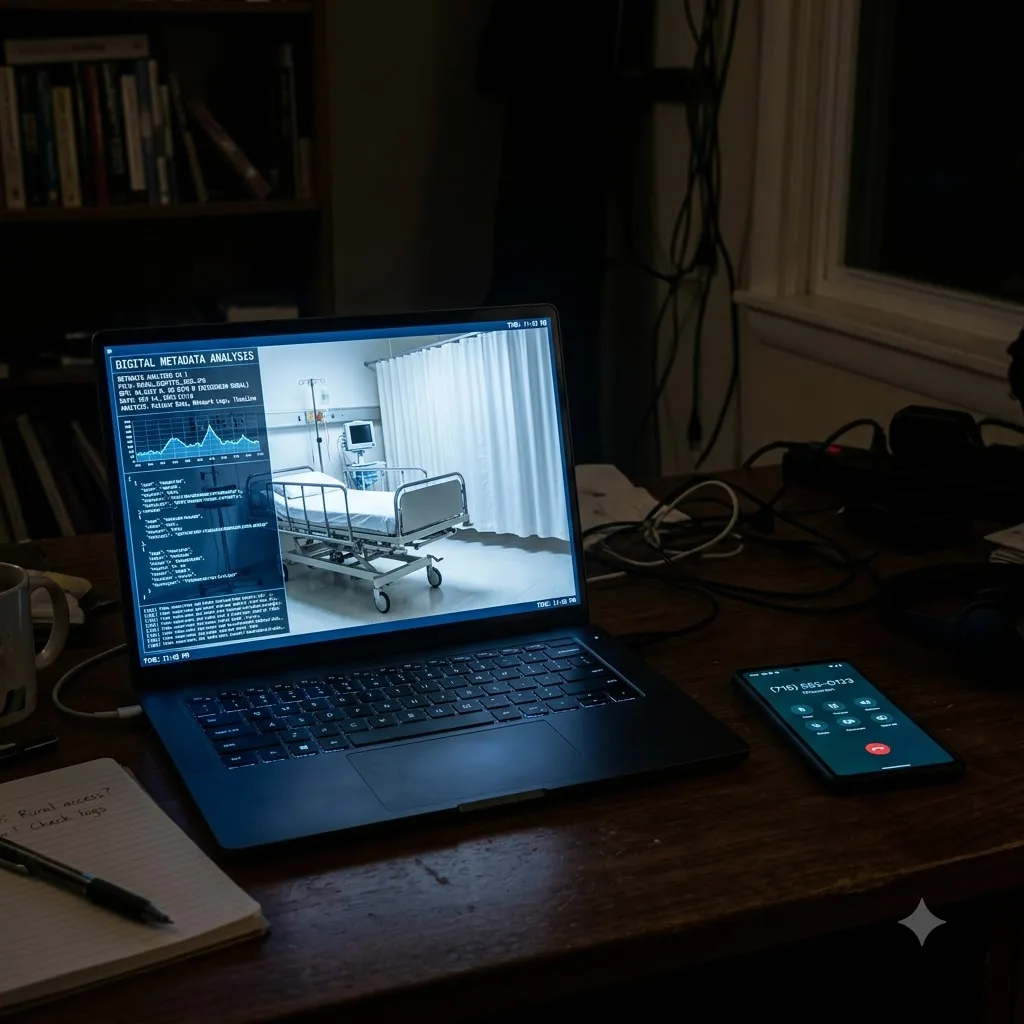
Marcus dragged the tearful hospital selfie from the viral GoFundMe page into his metadata extractor. The progress bar blinked for a fraction of a second before spitting out the raw EXIF data on his left monitor. The photo attached to the “Save Nana Evie” campaign, which currently boasted a staggering balance of two hundred and twelve thousand dollars, was a complete fabrication. The origin date stamped in the digital file was four years old. A reverse image search on his right monitor brought up the exact same frail woman in the exact same sterile hospital bed, plastered with a prominent stock photography watermark.
Marcus leaned back in his ergonomic office chair and let out a long, cynical sigh. He had been tracking the Nana Evie phenomenon for three solid days. The entire internet had rallied around the heartbreaking story of a grandmother battling a rare, aggressive lymphoma, desperate for one last round of experimental treatment just to stay alive long enough to see her grandson graduate. The donations were pouring in at an unprecedented rate of a thousand dollars an hour. Influencers were sharing the link. Local news stations were picking up the feed.
The updates on the campaign page were perfectly engineered to manipulate the emotional algorithm of the platform. They featured tragic anecdotes, increasingly desperate pleas, and blurry updates about falling blood counts. Marcus scrolled through the comment section, watching dozens of people pledge their rent money to a ghost.
He cracked his knuckles and began logging the hard evidence into his draft folder. It was a classic cyber-fraud setup. In his five years on the digital investigative beat, he had dismantled dozens of these exact operations. The playbook never changed. A coordinated syndicate operating out of a strip mall halfway across the world would scrape emotional imagery, spin up a devastating fake persona, and siphon the cash through untraceable crypto wallets before the platform caught wise.
He just needed the confrontation on tape to seal the story and get the page suspended. Marcus clicked through to the campaign’s contact section. The scammers had made a remarkably sloppy mistake by linking out to an external blog for longer, rambling updates about Evie’s fictional chemotherapy. A quick, routine WHOIS lookup on that domain name bypassed the cheap privacy proxy, revealing a registered phone number with a local area code. It was a bold move for an international scam ring, likely a burner phone set up to forward calls automatically to an overseas call center.
Marcus fired up his audio recording software and aligned the window next to the damning stock photo. He cleared his throat, practicing his standard, hard-hitting opening line. He would identify himself as an investigative reporter, state the severe allegations of wire fraud, and record the inevitable string of curses or the immediate click of the line going dead. He punched the ten digits into his desktop VoIP client and pressed dial.
The line rang once. It rang twice.
He tapped his pen rhythmically against the edge of his desk, waiting for the robotic tone of an automated voicemail or the slick, aggressive voice of a professional con artist.
The ringing stopped with a sharp click. There was a long, heavy silence on the line. The connection hummed with static, filled only with the faint, rhythmic sound of ragged, labored breathing.
Marcus waited for the other end to speak first, a common tactic to make the target break the silence. He hovered his mouse over the bright red record button.
A voice finally broke through the static. It was a woman, her tone terribly thin and frail. She did not sound like a hacker. She did not sound like a boiler room operator running a script. She sounded incredibly tired, her words trembling with a raw, unprotected vulnerability that sent a sudden, cold spike of unease directly into Marcus’s chest.
“I knew you would call,” the old woman whispered.
Marcus froze, his finger slipping off the mouse. This was entirely outside of his script. He opened his mouth to state his name and publication, to demand answers about the stolen stock photo, but the harsh words died instantly in his throat.
“I told the overnight nurses you would not leave me here like this,” she continued, her breathing hitching in a painfully stifled sob. “I told them my boy would call before the end.”
The plastic pen slipped from Marcus’s fingers and clattered loudly onto the wooden desk. He stared at the stock photo on his monitor, the fake hospital gown, the fabricated metadata. He looked at the two hundred thousand dollars sitting in the fraudulent account. None of the digital evidence aligned with the devastating reality radiating through his headset.
“David,” the woman sobbed, her voice cracking under the crushing weight of immense relief. “You have no idea how long I have waited to hear you breathe.”
Marcus sat completely paralyzed in the harsh blue glow of his dual monitors. He looked at the flashing red light of his recording software capturing every agonizing second. He had to tell her she was speaking to a complete stranger calling to accuse her of fraud. He took a sharp breath to shatter the illusion and end the tragic misunderstanding.
Marcus dragged the tearful hospital selfie from the viral GoFundMe page into his metadata extractor. The progress bar blinked for a fraction of a second before spitting out the raw EXIF data on his left monitor. The photo attached to the “Save Nana Evie” campaign, which currently boasted a staggering balance of two hundred and twelve thousand dollars, was a complete fabrication. The origin date stamped in the digital file was four years old. A reverse image search on his right monitor brought up the exact same frail woman in the exact same sterile hospital bed, plastered with a prominent stock photography watermark.
Marcus leaned back in his ergonomic office chair and let out a long, cynical sigh. He had been tracking the Nana Evie phenomenon for three solid days. The entire internet had rallied around the heartbreaking story of a grandmother battling a rare, aggressive lymphoma, desperate for one last round of experimental treatment just to stay alive long enough to see her grandson graduate. The donations were pouring in at an unprecedented rate of a thousand dollars an hour. Influencers were sharing the link. Local news stations were picking up the feed.
The updates on the campaign page were perfectly engineered to manipulate the emotional algorithm of the platform. They featured tragic anecdotes, increasingly desperate pleas, and blurry updates about falling blood counts. Marcus scrolled through the comment section, watching dozens of people pledge their rent money to a ghost.
He cracked his knuckles and began logging the hard evidence into his draft folder. It was a classic cyber-fraud setup. In his five years on the digital investigative beat, he had dismantled dozens of these exact operations. The playbook never changed. A coordinated syndicate operating out of a strip mall halfway across the world would scrape emotional imagery, spin up a devastating fake persona, and siphon the cash through untraceable crypto wallets before the platform caught wise.
He just needed the confrontation on tape to seal the story and get the page suspended. Marcus clicked through to the campaign’s contact section. The scammers had made a remarkably sloppy mistake by linking out to an external blog for longer, rambling updates about Evie’s fictional chemotherapy. A quick, routine WHOIS lookup on that domain name bypassed the cheap privacy proxy, revealing a registered phone number with a local area code. It was a bold move for an international scam ring, likely a burner phone set up to forward calls automatically to an overseas call center.
Marcus fired up his audio recording software and aligned the window next to the damning stock photo. He cleared his throat, practicing his standard, hard-hitting opening line. He would identify himself as an investigative reporter, state the severe allegations of wire fraud, and record the inevitable string of curses or the immediate click of the line going dead. He punched the ten digits into his desktop VoIP client and pressed dial.
The line rang once. It rang twice.
He tapped his pen rhythmically against the edge of his desk, waiting for the robotic tone of an automated voicemail or the slick, aggressive voice of a professional con artist.
The ringing stopped with a sharp click. There was a long, heavy silence on the line. The connection hummed with static, filled only with the faint, rhythmic sound of ragged, labored breathing.
Marcus waited for the other end to speak first, a common tactic to make the target break the silence. He hovered his mouse over the bright red record button.
A voice finally broke through the static. It was a woman, her tone terribly thin and frail. She did not sound like a hacker. She did not sound like a boiler room operator running a script. She sounded incredibly tired, her words trembling with a raw, unprotected vulnerability that sent a sudden, cold spike of unease directly into Marcus’s chest.
“I knew you would call,” the old woman whispered.
Marcus froze, his finger slipping off the mouse. This was entirely outside of his script. He opened his mouth to state his name and publication, to demand answers about the stolen stock photo, but the harsh words died instantly in his throat.
“I told the overnight nurses you would not leave me here like this,” she continued, her breathing hitching in a painfully stifled sob. “I told them my boy would call before the end.”
The plastic pen slipped from Marcus’s fingers and clattered loudly onto the wooden desk. He stared at the stock photo on his monitor, the fake hospital gown, the fabricated metadata. He looked at the two hundred thousand dollars sitting in the fraudulent account. None of the digital evidence aligned with the devastating reality radiating through his headset.
“David,” the woman sobbed, her voice cracking under the crushing weight of immense relief. “You have no idea how long I have waited to hear you breathe.”
Marcus sat completely paralyzed in the harsh blue glow of his dual monitors. He looked at the flashing red light of his recording software capturing every agonizing second. He had to tell her she was speaking to a complete stranger calling to accuse her of fraud. He took a sharp breath to shatter the illusion and end the tragic misunderstanding.