Story code: ST-001862
Part 1: The Price of Admission
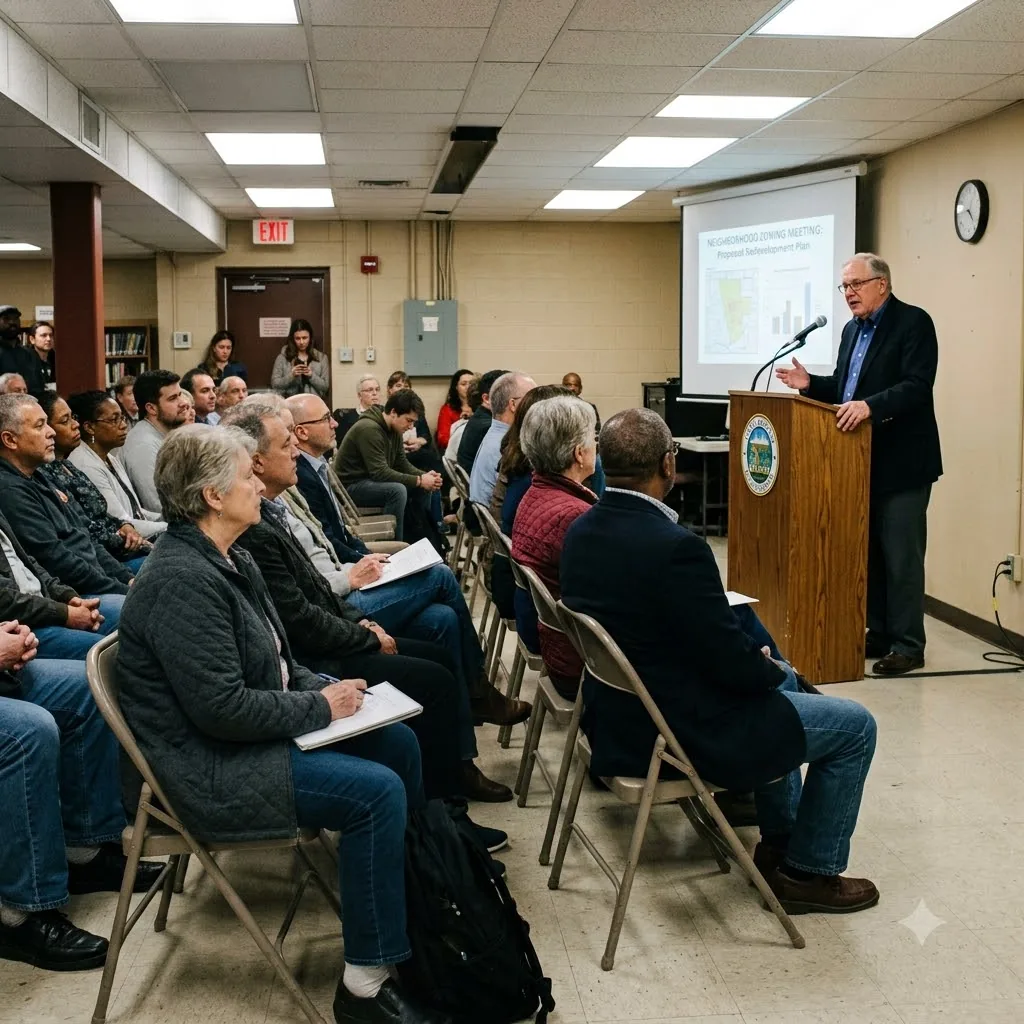
The folding chair dug into Mateo’s lower back as he offered a slow, measured nod to the woman holding the microphone. Her name was Claire, and she lived three houses down from him on Elmwood Drive. She wore a hand-knit cardigan and spoke with a soft, trembling sincerity about the architectural integrity of their neighborhood. She was currently explaining to the zoning board that placing a transitional housing facility on the edge of their district would irreparably damage the historic sightlines of the community. Mateo kept his hands folded in his lap, pressing his thumbs together to hide a tremor of anxiety. He cared nothing about sightlines. He cared about the thirty-year fixed-rate mortgage he had signed four months ago, and the agonizing labyrinth of paperwork, background checks, and quietly terrified waiting that had preceded it.
A low murmur of agreement rippled through the gymnasium. The man next to Mateo, a retired architect named David, leaned over and whispered that it was a tragedy how the city tried to force density onto established sanctuaries. Mateo smiled a tight, polite smile and nodded again. His silence felt heavy, a lead weight in his chest, but he swallowed it down. Speaking up was a luxury for people born in the right zip codes. His starter home, a modest craftsman with a peeling green door, was the first piece of solid ground he had ever stood on. He had spent his life keeping his head down to avoid the crushing machinery of immigration enforcement and municipal bureaucracies. Now, surrounded by homeowners fighting to keep out the desperate and displaced, he simply mirrored their outrage. He joined their applause when the board chairman announced the shelter proposal would be tabled indefinitely for further review.
The crisp night air hit Mateo’s face as he walked out of the community center, breaking the suffocating tension of the gymnasium. He unlocked his sedan, the click of the fob sounding sharp in the quiet parking lot. He drove the short mile back to Elmwood Drive, rolling the windows up to seal himself inside the quiet hum of the heater. Streetlamps cast warm, pooling light over manicured lawns and pruned hydrangeas. He let out a long breath, feeling the knot in his shoulders loosen. This was his street now. He kept the deed in a fireproof box under his bed. He paid the property taxes. He attended the meetings. He belonged here, as long as he played the part perfectly.
He turned onto his block, the familiar silhouette of oak trees bringing a rush of relief. The anxiety of the meeting and the guilt of his own complicity dissolved into the deep satisfaction of ownership. He slowed the car as his driveway approached, admiring the neat lines of the garden beds he had mulched over the weekend.
He pressed the button on his visor to open the garage door as his headlights swept across the front of his property.
The beam of light washed over the mailbox, illuminated the freshly painted porch railing, and then caught a stark, motionless shape sitting on the wooden porch swing.
Mateo slammed his foot on the brake. The sedan jerked to a halt at the edge of the driveway. He shifted into park, leaving the headlights shining directly on his porch.
Someone was sitting there in the dead of night.
Mateo’s grip tightened on the steering wheel. His pulse hammered against his ribs. The neighborhood watch app on his phone was constantly filled with panicked alerts about strangers walking too slowly or delivery drivers parking too far from the curb. He knew exactly what his neighbors would do if they saw this. They would call the police before even opening their front doors. For Mateo, calling the authorities was an instinct he had spent a lifetime suppressing.
He squinted through the windshield. The figure was slouched forward, wearing a dark hooded sweatshirt pulled low over their face. A large black trash bag sat on the wooden deck boards next to their muddy sneakers. The bag bulged awkwardly, tied off at the top with a clumsy knot.
Mateo turned off the engine. He reached into the center console and closed his hand around a heavy metal flashlight. He stepped out of the car, the cold air biting through his thin jacket. The silence of the suburban street felt sudden and oppressive, broken only by the distant barking of a dog.
He walked up the driveway with slow, deliberate steps. He kept the flashlight at his side, unwilling to turn it on and draw the attention of the surrounding houses. If anyone looked out their window, they would see a homeowner investigating a trespasser. He needed to handle this quietly.
“Hey,” Mateo said, keeping his voice low and firm. “You can’t be here.”
The figure on the swing did not move.
Mateo took another step onto the bottom stair of the porch. The motion sensor light above the front door clicked on, flooding the entryway with harsh white light.
The person in the hoodie flinched and lifted their head.
Mateo stopped breathing. The metal flashlight slipped from his grip and clattered loudly against the wooden stairs.
The face looking back at him was swollen, one eye bruised a deep, mottled purple and a dark line of dried blood cracking the corner of the lip. The exhaustion in those eyes was a haunting, familiar weight that ripped straight through the manicured illusion of Elmwood Drive.
The figure slowly reached a trembling hand toward the trash bag of clothes.
“Mateo,” his brother whispered.
The folding chair dug into Mateo’s lower back as he offered a slow, measured nod to the woman holding the microphone. Her name was Claire, and she lived three houses down from him on Elmwood Drive. She wore a hand-knit cardigan and spoke with a soft, trembling sincerity about the architectural integrity of their neighborhood. She was currently explaining to the zoning board that placing a transitional housing facility on the edge of their district would irreparably damage the historic sightlines of the community. Mateo kept his hands folded in his lap, pressing his thumbs together to hide a tremor of anxiety. He cared nothing about sightlines. He cared about the thirty-year fixed-rate mortgage he had signed four months ago, and the agonizing labyrinth of paperwork, background checks, and quietly terrified waiting that had preceded it.
A low murmur of agreement rippled through the gymnasium. The man next to Mateo, a retired architect named David, leaned over and whispered that it was a tragedy how the city tried to force density onto established sanctuaries. Mateo smiled a tight, polite smile and nodded again. His silence felt heavy, a lead weight in his chest, but he swallowed it down. Speaking up was a luxury for people born in the right zip codes. His starter home, a modest craftsman with a peeling green door, was the first piece of solid ground he had ever stood on. He had spent his life keeping his head down to avoid the crushing machinery of immigration enforcement and municipal bureaucracies. Now, surrounded by homeowners fighting to keep out the desperate and displaced, he simply mirrored their outrage. He joined their applause when the board chairman announced the shelter proposal would be tabled indefinitely for further review.
The crisp night air hit Mateo’s face as he walked out of the community center, breaking the suffocating tension of the gymnasium. He unlocked his sedan, the click of the fob sounding sharp in the quiet parking lot. He drove the short mile back to Elmwood Drive, rolling the windows up to seal himself inside the quiet hum of the heater. Streetlamps cast warm, pooling light over manicured lawns and pruned hydrangeas. He let out a long breath, feeling the knot in his shoulders loosen. This was his street now. He kept the deed in a fireproof box under his bed. He paid the property taxes. He attended the meetings. He belonged here, as long as he played the part perfectly.
He turned onto his block, the familiar silhouette of oak trees bringing a rush of relief. The anxiety of the meeting and the guilt of his own complicity dissolved into the deep satisfaction of ownership. He slowed the car as his driveway approached, admiring the neat lines of the garden beds he had mulched over the weekend.
He pressed the button on his visor to open the garage door as his headlights swept across the front of his property.
The beam of light washed over the mailbox, illuminated the freshly painted porch railing, and then caught a stark, motionless shape sitting on the wooden porch swing.
Mateo slammed his foot on the brake. The sedan jerked to a halt at the edge of the driveway. He shifted into park, leaving the headlights shining directly on his porch.
Someone was sitting there in the dead of night.
Mateo’s grip tightened on the steering wheel. His pulse hammered against his ribs. The neighborhood watch app on his phone was constantly filled with panicked alerts about strangers walking too slowly or delivery drivers parking too far from the curb. He knew exactly what his neighbors would do if they saw this. They would call the police before even opening their front doors. For Mateo, calling the authorities was an instinct he had spent a lifetime suppressing.
He squinted through the windshield. The figure was slouched forward, wearing a dark hooded sweatshirt pulled low over their face. A large black trash bag sat on the wooden deck boards next to their muddy sneakers. The bag bulged awkwardly, tied off at the top with a clumsy knot.
Mateo turned off the engine. He reached into the center console and closed his hand around a heavy metal flashlight. He stepped out of the car, the cold air biting through his thin jacket. The silence of the suburban street felt sudden and oppressive, broken only by the distant barking of a dog.
He walked up the driveway with slow, deliberate steps. He kept the flashlight at his side, unwilling to turn it on and draw the attention of the surrounding houses. If anyone looked out their window, they would see a homeowner investigating a trespasser. He needed to handle this quietly.
“Hey,” Mateo said, keeping his voice low and firm. “You can’t be here.”
The figure on the swing did not move.
Mateo took another step onto the bottom stair of the porch. The motion sensor light above the front door clicked on, flooding the entryway with harsh white light.
The person in the hoodie flinched and lifted their head.
Mateo stopped breathing. The metal flashlight slipped from his grip and clattered loudly against the wooden stairs.
The face looking back at him was swollen, one eye bruised a deep, mottled purple and a dark line of dried blood cracking the corner of the lip. The exhaustion in those eyes was a haunting, familiar weight that ripped straight through the manicured illusion of Elmwood Drive.
The figure slowly reached a trembling hand toward the trash bag of clothes.
“Mateo,” his brother whispered.