Story code: ST-001885
Part 1: The Neon Sticker
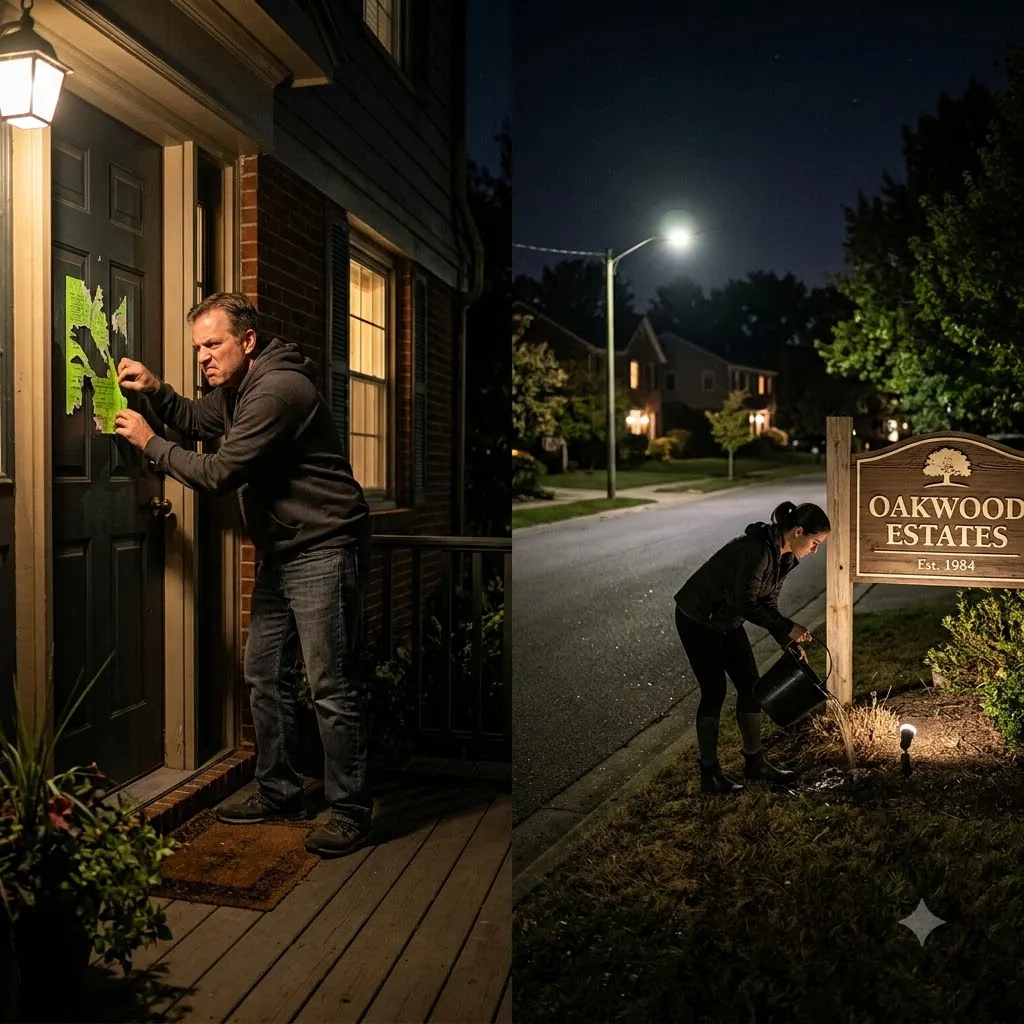
The neon-green paper tore the moment David jammed his thumbnail under the corner. He scraped harder against the fiberglass grain of his front door, but the cheap adhesive merely shredded into a sticky, impossible film. The bold black letters reading INTENT TO LIEN remained perfectly legible under his porch light, mocking the skin peeling off his cuticles.
He stopped digging at the door and wiped his dirty hand on his sweatpants. The math played on a relentless loop in his head. Fifty dollars a day for the unauthorized landscaping, multiplied by one hundred and twenty days, plus the association’s exorbitant legal fees, plus the compounding interest. The final number eclipsed his remaining equity. His home of ten years was effectively gone, stolen away by a clipboard committee over the blue agave plants sitting quietly in his front yard.
David leaned his forehead against the cold doorframe. The neighborhood was dead silent in the middle of the night. The county-wide severe drought restrictions had turned every lawn in the Whispering Pines subdivision into a brittle, yellow wasteland. Every lawn except the lavish floral displays at the neighborhood entrance. He had ripped out his dying grass in May, replacing it with drought-tolerant crushed granite and agave to comply with the county water mandate. The Homeowners Association rewarded his conservation with a violation notice for non-harmonious aesthetics and a direct threat of foreclosure.
A dull plastic clatter echoed from the end of the cul-de-sac.
David lifted his head. The streetlights flickered, casting long shadows across the asphalt. Someone was moving down by the brick entrance columns. He stepped off his porch, his socks crunching softly on the granite gravel of his illegal garden. He ducked behind his large oak tree to shield himself from the glow of the streetlamps.
Fifty yards away, Martha Higgins, the HOA president who had personally signed the lien on his house, was dragging a bright orange five-gallon bucket across the pavement.
David held his breath. Martha wore a heavy terrycloth bathrobe and rubber garden clogs. She stopped at the base of the massive brick entrance monument. She looked over her left shoulder, then her right, her neck snapping with bird-like paranoia. Satisfied she was unseen, she tipped the heavy bucket. A dark, heavy stream of water soaked the soil around the prize-winning impatiens and hydrangeas that spelled out the community name.
The county water district had mandated a zero-irrigation policy three weeks ago. Fines for watering were astronomical. Yet here was the woman who had condemned his house over drought-friendly plants, illegally dumping gallons of water onto purely decorative flowers in the dead of night.
She finished the bucket, letting it drop to the grass with a soft thud. She bent down and turned a valve on the side of the brick monument. David knew that spigot. The county had padlocked it. Martha produced a small silver key from her robe pocket and adjusted something on the pipe. A faint hiss of pressure cut through the night air as the bucket began to fill again.
David felt a tight, hot knot form in his chest. His house was being taken away so Martha could preserve the illusion of a pristine, rule-abiding neighborhood. He stepped out from behind the oak tree, his eyes locked on the overflowing orange bucket. He needed proof. He patted his sweatpants, realizing his phone was sitting on the kitchen counter inside.
He turned back toward his porch. The neon-green sticker practically glowed in the shadows. He did not need just a photo. He needed to know exactly how far Martha was willing to go to maintain her manicured kingdom.
He jogged silently up the driveway and slipped through his front door. The house was dark. He grabbed his phone from the island and checked the battery. Ten percent. Enough for a video. He grabbed his keys from the bowl and slid into his dark sneakers, avoiding the squeaky floorboard in the hall.
When he stepped back out onto the porch, the hissing sound of the water had stopped.
David hurried down the driveway, keeping his head low. He crossed the asphalt, the residual heat of the road warming the thin soles of his shoes. He reached the brick column and rounded the corner with his camera app open and recording.
The orange bucket sat completely empty on the dry pavement. A dark, muddy puddle surrounded the hydrangeas. Martha was gone.
David swept his phone camera across the wet soil, making sure to capture the county padlock hanging loose on the spigot. He stepped closer to read the brass tag on the lock. It was completely filed smooth. A sharp crunch of gravel sounded directly behind him.
“You should be packing boxes, David, not admiring the landscaping.”
David spun around, dropping his phone onto the wet grass. Martha stood on the sidewalk, holding a heavy steel pipe wrench in her right hand.
The neon-green paper tore the moment David jammed his thumbnail under the corner. He scraped harder against the fiberglass grain of his front door, but the cheap adhesive merely shredded into a sticky, impossible film. The bold black letters reading INTENT TO LIEN remained perfectly legible under his porch light, mocking the skin peeling off his cuticles.
He stopped digging at the door and wiped his dirty hand on his sweatpants. The math played on a relentless loop in his head. Fifty dollars a day for the unauthorized landscaping, multiplied by one hundred and twenty days, plus the association’s exorbitant legal fees, plus the compounding interest. The final number eclipsed his remaining equity. His home of ten years was effectively gone, stolen away by a clipboard committee over the blue agave plants sitting quietly in his front yard.
David leaned his forehead against the cold doorframe. The neighborhood was dead silent in the middle of the night. The county-wide severe drought restrictions had turned every lawn in the Whispering Pines subdivision into a brittle, yellow wasteland. Every lawn except the lavish floral displays at the neighborhood entrance. He had ripped out his dying grass in May, replacing it with drought-tolerant crushed granite and agave to comply with the county water mandate. The Homeowners Association rewarded his conservation with a violation notice for non-harmonious aesthetics and a direct threat of foreclosure.
A dull plastic clatter echoed from the end of the cul-de-sac.
David lifted his head. The streetlights flickered, casting long shadows across the asphalt. Someone was moving down by the brick entrance columns. He stepped off his porch, his socks crunching softly on the granite gravel of his illegal garden. He ducked behind his large oak tree to shield himself from the glow of the streetlamps.
Fifty yards away, Martha Higgins, the HOA president who had personally signed the lien on his house, was dragging a bright orange five-gallon bucket across the pavement.
David held his breath. Martha wore a heavy terrycloth bathrobe and rubber garden clogs. She stopped at the base of the massive brick entrance monument. She looked over her left shoulder, then her right, her neck snapping with bird-like paranoia. Satisfied she was unseen, she tipped the heavy bucket. A dark, heavy stream of water soaked the soil around the prize-winning impatiens and hydrangeas that spelled out the community name.
The county water district had mandated a zero-irrigation policy three weeks ago. Fines for watering were astronomical. Yet here was the woman who had condemned his house over drought-friendly plants, illegally dumping gallons of water onto purely decorative flowers in the dead of night.
She finished the bucket, letting it drop to the grass with a soft thud. She bent down and turned a valve on the side of the brick monument. David knew that spigot. The county had padlocked it. Martha produced a small silver key from her robe pocket and adjusted something on the pipe. A faint hiss of pressure cut through the night air as the bucket began to fill again.
David felt a tight, hot knot form in his chest. His house was being taken away so Martha could preserve the illusion of a pristine, rule-abiding neighborhood. He stepped out from behind the oak tree, his eyes locked on the overflowing orange bucket. He needed proof. He patted his sweatpants, realizing his phone was sitting on the kitchen counter inside.
He turned back toward his porch. The neon-green sticker practically glowed in the shadows. He did not need just a photo. He needed to know exactly how far Martha was willing to go to maintain her manicured kingdom.
He jogged silently up the driveway and slipped through his front door. The house was dark. He grabbed his phone from the island and checked the battery. Ten percent. Enough for a video. He grabbed his keys from the bowl and slid into his dark sneakers, avoiding the squeaky floorboard in the hall.
When he stepped back out onto the porch, the hissing sound of the water had stopped.
David hurried down the driveway, keeping his head low. He crossed the asphalt, the residual heat of the road warming the thin soles of his shoes. He reached the brick column and rounded the corner with his camera app open and recording.
The orange bucket sat completely empty on the dry pavement. A dark, muddy puddle surrounded the hydrangeas. Martha was gone.
David swept his phone camera across the wet soil, making sure to capture the county padlock hanging loose on the spigot. He stepped closer to read the brass tag on the lock. It was completely filed smooth. A sharp crunch of gravel sounded directly behind him.
“You should be packing boxes, David, not admiring the landscaping.”
David spun around, dropping his phone onto the wet grass. Martha stood on the sidewalk, holding a heavy steel pipe wrench in her right hand.