Story code: ST-000348
Part 1: Steps and the Ask
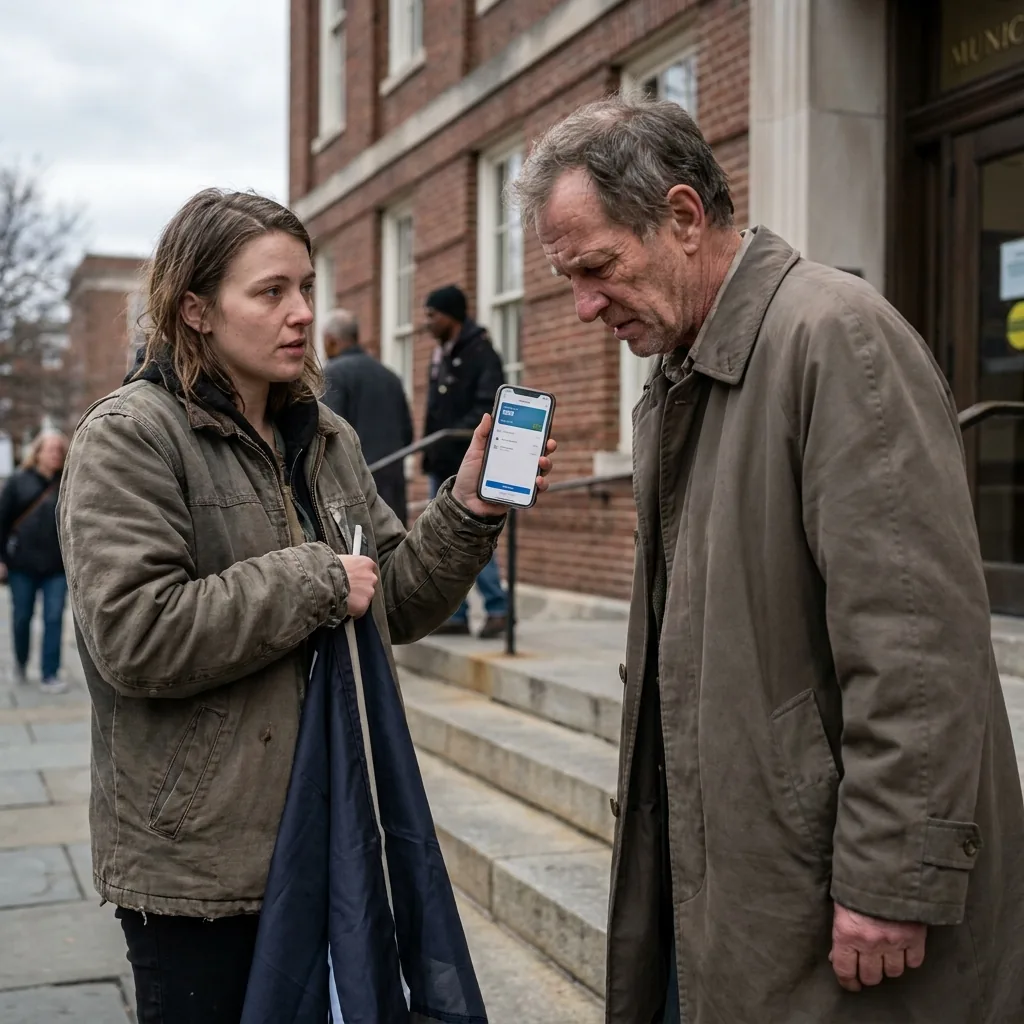
Leah Bennett cornered me on the city council steps with a protest banner folded under her arm, a phone payment screen in her hand, and the kind of family-duty talk that makes a plain no sound like a crime. Daniel stood two steps down by the railing while the council staffer kept moving past the scene, and Leah kept asking for money like the answer was already supposed to be yes.
She came in fast, loud enough for the people climbing the steps to hear. The banner was bright cloth against the stone, the paint still fresh in places, and she kept tugging it higher when she talked, like the fabric itself gave her the right to stand there and ask. She did not ask once. She said words like, “It is just until the campaign payment clears,” and, “You know how much this work matters,” and, “Family should not make support this hard.”
I kept my hands on my bag strap and asked her what the money was for.
She answered with a story instead of a number. The fundraiser deadline had moved. The printer had needed a deposit. The outreach materials were supposed to go out that afternoon. Every sentence came with another reason why it had to happen now and why I was the one who should cover it. She said it in the middle of the steps, where everyone could hear a niece asking her aunt for help as if the public setting could turn pressure into duty.
A man in a dark suit passed us and looked at the banner, then at Leah, then kept going. The council staffer did the same thing the next time through: glance, step around, keep moving. Nobody stopped the argument. That left the whole thing sitting on me, with Leah still holding the banner and the phone, and me still not saying yes.
I asked to see the amount.
She angled the phone away first, then back again, just enough for me to catch the payment screen before her thumb slid over it. The amount was bigger than the rush in her voice first suggested. She said it was because the whole run had to be paid together. Daniel looked at the screen once and then at the banner, and then down at the concrete as if he had found something interesting near his shoe.
That was when I noticed the receipt.
It was folded twice and jammed into the clear sleeve on the back of Leah’s phone case, not the kind of thing somebody keeps if they are trying to sound organized. A small corner showed: a date from that morning, a local shop logo, and one line with a total that did not match the story she was telling. It was not enough by itself to prove anything. It was enough to make the numbers stop sitting still.
I asked what she had bought.
Leah snapped the phone shut with her palm and said, louder now, that I was making a family need into an interrogation. She said refusing to help was the same as choosing against the cause, against the work, against her. A couple of people on the steps slowed to listen. The banner shifted against her shoulder. Daniel finally raised his head, but only for a second.
I asked again, and this time she said the purchase did not matter.
That was the line that changed the shape of the whole thing. If it did not matter, why had she hidden the receipt in the phone case? Why did the payment screen stay turned away until I asked twice? Why did the number on the screen look too clean for the emergency she was selling? Leah kept one hand on the banner and the other on the phone, and she kept repeating that I was making it difficult, while the small piece of paper in the phone case kept pulling my eye back.
By the time she said I was embarrassing her in public, Daniel had reached into his jacket pocket and pulled out his own wallet. He did not open it. He just held it there, watching the receipt corner flutter against the phone case as the wind moved across the steps.
Leah wanted the money framed as duty. The receipt did not fit that frame. And if the receipt was real, then the next question was simple: what exactly had she used the money for this morning?
Leah Bennett cornered me on the city council steps with a protest banner folded under her arm, a phone payment screen in her hand, and the kind of family-duty talk that makes a plain no sound like a crime. Daniel stood two steps down by the railing while the council staffer kept moving past the scene, and Leah kept asking for money like the answer was already supposed to be yes.
She came in fast, loud enough for the people climbing the steps to hear. The banner was bright cloth against the stone, the paint still fresh in places, and she kept tugging it higher when she talked, like the fabric itself gave her the right to stand there and ask. She did not ask once. She said words like, “It is just until the campaign payment clears,” and, “You know how much this work matters,” and, “Family should not make support this hard.”
I kept my hands on my bag strap and asked her what the money was for.
She answered with a story instead of a number. The fundraiser deadline had moved. The printer had needed a deposit. The outreach materials were supposed to go out that afternoon. Every sentence came with another reason why it had to happen now and why I was the one who should cover it. She said it in the middle of the steps, where everyone could hear a niece asking her aunt for help as if the public setting could turn pressure into duty.
A man in a dark suit passed us and looked at the banner, then at Leah, then kept going. The council staffer did the same thing the next time through: glance, step around, keep moving. Nobody stopped the argument. That left the whole thing sitting on me, with Leah still holding the banner and the phone, and me still not saying yes.
I asked to see the amount.
She angled the phone away first, then back again, just enough for me to catch the payment screen before her thumb slid over it. The amount was bigger than the rush in her voice first suggested. She said it was because the whole run had to be paid together. Daniel looked at the screen once and then at the banner, and then down at the concrete as if he had found something interesting near his shoe.
That was when I noticed the receipt.
It was folded twice and jammed into the clear sleeve on the back of Leah’s phone case, not the kind of thing somebody keeps if they are trying to sound organized. A small corner showed: a date from that morning, a local shop logo, and one line with a total that did not match the story she was telling. It was not enough by itself to prove anything. It was enough to make the numbers stop sitting still.
I asked what she had bought.
Leah snapped the phone shut with her palm and said, louder now, that I was making a family need into an interrogation. She said refusing to help was the same as choosing against the cause, against the work, against her. A couple of people on the steps slowed to listen. The banner shifted against her shoulder. Daniel finally raised his head, but only for a second.
I asked again, and this time she said the purchase did not matter.
That was the line that changed the shape of the whole thing. If it did not matter, why had she hidden the receipt in the phone case? Why did the payment screen stay turned away until I asked twice? Why did the number on the screen look too clean for the emergency she was selling? Leah kept one hand on the banner and the other on the phone, and she kept repeating that I was making it difficult, while the small piece of paper in the phone case kept pulling my eye back.
By the time she said I was embarrassing her in public, Daniel had reached into his jacket pocket and pulled out his own wallet. He did not open it. He just held it there, watching the receipt corner flutter against the phone case as the wind moved across the steps.
Leah wanted the money framed as duty. The receipt did not fit that frame. And if the receipt was real, then the next question was simple: what exactly had she used the money for this morning?