Story code: ST-000351
Part 1: He Cut the Ride in Front of Everyone
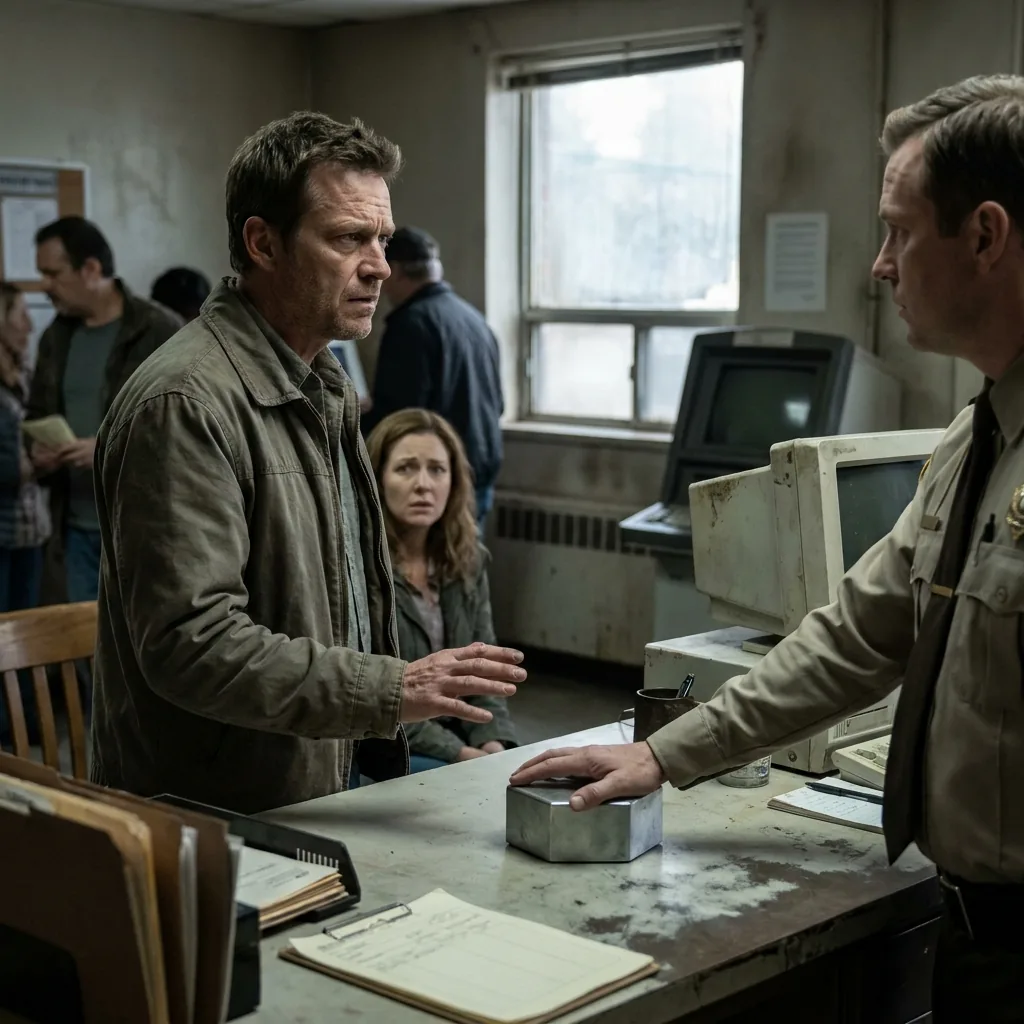
Dale Mercer cut Evan’s shuttle access while he was standing three feet from the dispatch desk, and he did it with Evan’s claim token sitting in plain sight under his hand like a paperweight. We were in the mining contract office with printers spitting claim summaries and a wall screen cycling launch windows, and Dale said, calm as anything, that Evan could get his ride code back when he “started cooperating.” The ugly part was the timing: Evan’s outbound slot to Transfer Dock C closed in twenty-two minutes, and if he missed it, the whole day stalled.
I was at the side station logging token scans from the morning batch. That room was never dramatic on purpose. People came in dusty from yard work, dropped worn gloves on the molded plastic chairs, waited for access fixes, argued about transport delays, and left. Most days the loudest thing was the scanner chirp.
That day, the scanner stopped because everybody in the front half of the room had heard Dale.
Evan had already checked his pocket twice before he stepped up. He set his palm on the desk, looked at the black reader, then at Dale’s tablet.
“My code didn’t push through,” he said.
Dale didn’t look at the reader first. He looked at Evan. Then he pulled the token closer with two fingers. It was one of those brass-heavy mineral claim chips with the etched ridge around the edge, the kind brokers liked to keep visible because it reminded people who could freeze what.
“It pushed through fine,” Dale said. “I paused it.”
Nobody in the room said anything after that. One of the printers kept feeding out a contract addendum no one was taking.
Evan’s hand came off the desk. He looked once toward the wall clock, once toward the glass door that opened to the shuttle lot, then back at the token.
“My slot leaves at ten-forty,” he said.
Dale gave a small shrug without moving his shoulders much. “Then don’t make me wait all day.”
I had seen him delay passwords, transport keys, account gates. He liked soft words better than raised voices. Soft words forced everyone else to say the ugly part out loud.
Evan kept his voice level. “You said the haul figures were entered.”
“They are.”
“Then release the ride.”
Dale turned his tablet a few inches away so only he could see it. “After we settle the claim split issue.”
That was when a driver from bay scheduling, a guy in orange coveralls named Reese, looked up from the coffee machine and stopped pretending not to listen. You don’t hold a dock ride this close to departure unless you want the whole office to know you’re doing it.
Evan stayed still long enough that I started counting the seconds by the printer clicks. Five. Six. Seven.
Then he said, “That’s not what this desk is for.”
Dale tapped the claim token with one fingernail. “Today it is.”
The token made a small metal sound against the laminate. That sound carried farther than his voice.
I don’t know what arrangement they had argued over before he came in. I only know what I saw right there: a needed ride cut off at the exact worst time, a broker holding the visible token, and a room full of people who suddenly had to decide whether to keep typing and act like this was normal.
I went back to my station because there was nowhere else to look without making it worse, but I kept the front desk in the corner of my eye. Evan took out his phone, stared at the screen, and set it facedown without sending anything I could see. Dale waited him out with one hand on the token.
Two women from claim records came through the side door carrying sealed sample trays. They slowed when they saw the silence at the desk. One of them asked me under her breath, “System issue?”
Before I could answer, Dale said, still in that neat voice, “Private business.”
Evan laughed once, but there was no smile with it. “You made it public when you froze my ride in the office.”
Dale looked past him toward the door. “You can solve this now, or you can miss your slot.”
That was the whole shape of it. Not a fight. Not shouting. Just a clock running and one man using a ride code like a hand around somebody’s throat.
Then the outer door opened and June walked in carrying a lunch tote and a slim hard case like she’d come by on an ordinary errand. She didn’t rush. She didn’t ask what happened. She just looked from Evan to the token under Dale’s fingers to the departure screen over the desk.
Evan turned his head when he saw her, and for the first time since Dale said he had paused the code, Evan stopped checking the clock.
June set the hard case on the chair beside the desk and said, “So he finally did it in front of witnesses.”
Dale’s hand stayed on the token, but he didn’t answer right away.
June clicked the latches on the case and looked at Evan instead of him.
“Did he also tell them,” she said, “whose transfer authority is tied to that token if you don’t board today?”
Dale Mercer cut Evan’s shuttle access while he was standing three feet from the dispatch desk, and he did it with Evan’s claim token sitting in plain sight under his hand like a paperweight. We were in the mining contract office with printers spitting claim summaries and a wall screen cycling launch windows, and Dale said, calm as anything, that Evan could get his ride code back when he “started cooperating.” The ugly part was the timing: Evan’s outbound slot to Transfer Dock C closed in twenty-two minutes, and if he missed it, the whole day stalled.
I was at the side station logging token scans from the morning batch. That room was never dramatic on purpose. People came in dusty from yard work, dropped worn gloves on the molded plastic chairs, waited for access fixes, argued about transport delays, and left. Most days the loudest thing was the scanner chirp.
That day, the scanner stopped because everybody in the front half of the room had heard Dale.
Evan had already checked his pocket twice before he stepped up. He set his palm on the desk, looked at the black reader, then at Dale’s tablet.
“My code didn’t push through,” he said.
Dale didn’t look at the reader first. He looked at Evan. Then he pulled the token closer with two fingers. It was one of those brass-heavy mineral claim chips with the etched ridge around the edge, the kind brokers liked to keep visible because it reminded people who could freeze what.
“It pushed through fine,” Dale said. “I paused it.”
Nobody in the room said anything after that. One of the printers kept feeding out a contract addendum no one was taking.
Evan’s hand came off the desk. He looked once toward the wall clock, once toward the glass door that opened to the shuttle lot, then back at the token.
“My slot leaves at ten-forty,” he said.
Dale gave a small shrug without moving his shoulders much. “Then don’t make me wait all day.”
I had seen him delay passwords, transport keys, account gates. He liked soft words better than raised voices. Soft words forced everyone else to say the ugly part out loud.
Evan kept his voice level. “You said the haul figures were entered.”
“They are.”
“Then release the ride.”
Dale turned his tablet a few inches away so only he could see it. “After we settle the claim split issue.”
That was when a driver from bay scheduling, a guy in orange coveralls named Reese, looked up from the coffee machine and stopped pretending not to listen. You don’t hold a dock ride this close to departure unless you want the whole office to know you’re doing it.
Evan stayed still long enough that I started counting the seconds by the printer clicks. Five. Six. Seven.
Then he said, “That’s not what this desk is for.”
Dale tapped the claim token with one fingernail. “Today it is.”
The token made a small metal sound against the laminate. That sound carried farther than his voice.
I don’t know what arrangement they had argued over before he came in. I only know what I saw right there: a needed ride cut off at the exact worst time, a broker holding the visible token, and a room full of people who suddenly had to decide whether to keep typing and act like this was normal.
I went back to my station because there was nowhere else to look without making it worse, but I kept the front desk in the corner of my eye. Evan took out his phone, stared at the screen, and set it facedown without sending anything I could see. Dale waited him out with one hand on the token.
Two women from claim records came through the side door carrying sealed sample trays. They slowed when they saw the silence at the desk. One of them asked me under her breath, “System issue?”
Before I could answer, Dale said, still in that neat voice, “Private business.”
Evan laughed once, but there was no smile with it. “You made it public when you froze my ride in the office.”
Dale looked past him toward the door. “You can solve this now, or you can miss your slot.”
That was the whole shape of it. Not a fight. Not shouting. Just a clock running and one man using a ride code like a hand around somebody’s throat.
Then the outer door opened and June walked in carrying a lunch tote and a slim hard case like she’d come by on an ordinary errand. She didn’t rush. She didn’t ask what happened. She just looked from Evan to the token under Dale’s fingers to the departure screen over the desk.
Evan turned his head when he saw her, and for the first time since Dale said he had paused the code, Evan stopped checking the clock.
June set the hard case on the chair beside the desk and said, “So he finally did it in front of witnesses.”
Dale’s hand stayed on the token, but he didn’t answer right away.
June clicked the latches on the case and looked at Evan instead of him.
“Did he also tell them,” she said, “whose transfer authority is tied to that token if you don’t board today?”