Story code: ST-000515
Part 1: He Said She Had Minutes
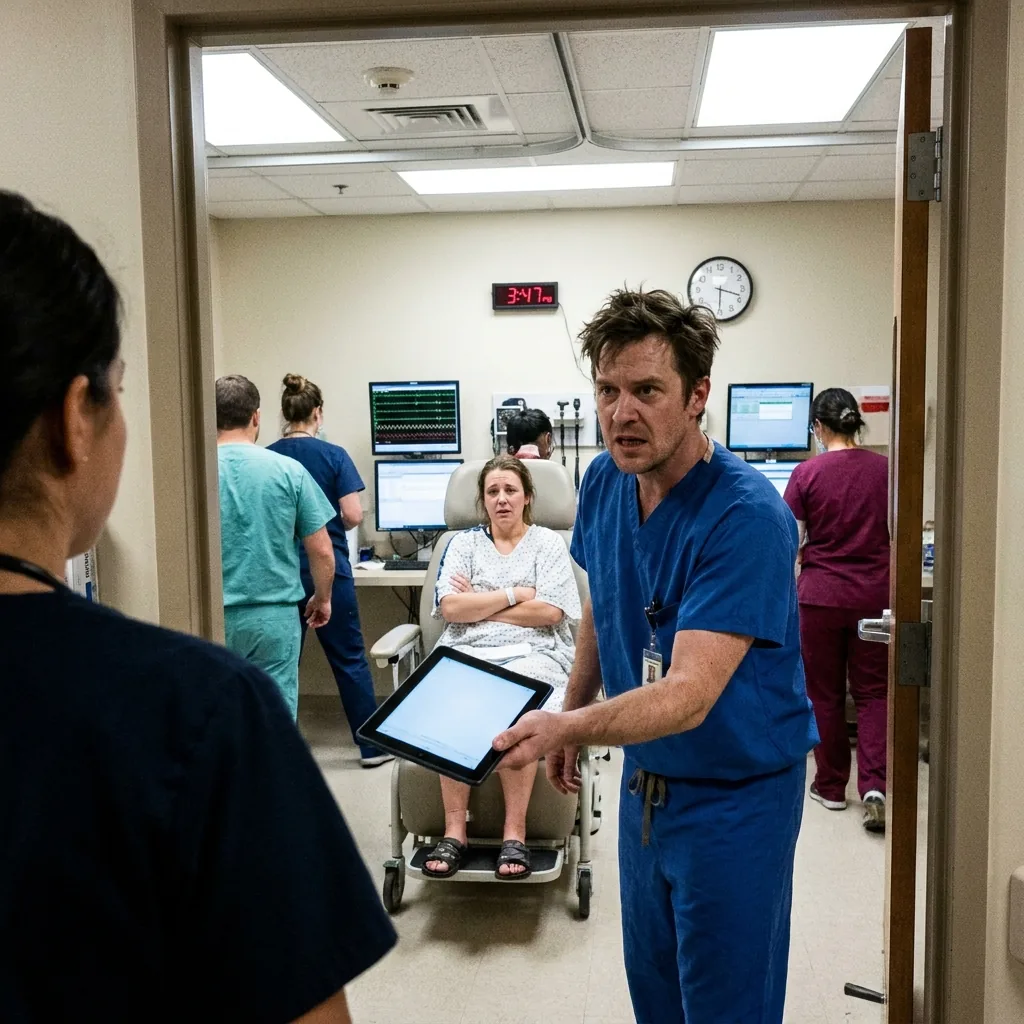
Gavin Mercer came into the open implant bay holding the consent tablet out at Leah Bennett like it was the only thing keeping her alive. He said, loud enough for the intake line and the prep carts to hear, that we had a narrowing emergency window and she needed to approve the memory implant now, while Leah kept asking what exactly would happen if she waited ten minutes. I was three steps away at the cart station, watching his thumb hover over the screen and watching her hand stop short of the signature box every time he said, “If we miss this, I can’t guarantee the outcome.”
The clinic was still moving around us like a normal Tuesday. A monitor at the nurse station kept flipping between room statuses. Someone at intake was explaining insurance cards to a couple by the glass door. A supply cart squeaked past the divider. None of that matched the way Gavin was talking.
“Leah, I need a yes right now,” he said.
Leah was half turned in the prep chair with one sleeve rolled up and her purse on the plastic chair beside her. Her wristband kept catching the bay light when she lifted her arm. She looked at the tablet, then at me, then toward Owen Bennett standing at the bay opening with his visitor sticker crooked on his shirt.
“What happens if I don’t sign this second?” she asked.
Gavin stepped closer. “Then we lose the intervention window I just explained.”
“You didn’t explain it,” Owen said. He had his phone in his hand but not raised yet. “You said there was some kind of emergency shift and she had minutes. If it’s that serious, call whoever handles that.”
Gavin didn’t look at him. “Sir, that would slow things down. I need her consent first.”
That landed wrong even before Leah answered. If somebody needed true emergency help, nobody in our clinic said calling that help would slow things down like it was a problem.
I kept my voice flat. “Gavin, what emergency protocol are you using?”
He flicked his eyes at me, then back to Leah. “Implant instability risk. We can document after.”
“Before implant prep moves, consent has to be visible,” I said. “And if it’s an emergency override, I need the clinician notified.”
“She’s already behind schedule,” he said quickly. “We don’t have time to make this academic. Leah, tap continue.”
He angled the tablet again. The screen glow hit her wristband. I could see the prompt boxes from where I stood: patient acknowledgment, procedural risk, authorization to proceed. The time was stamped in the corner.
Leah put one finger near the bottom of the screen and pulled it back. “I keep asking the same thing,” she said. “If I say I need a minute, what exactly changes?”
Gavin answered her by starting another countdown. “Every delay reduces what we can salvage.”
“Salvage what?” Owen said.
Gavin cut across him. “Sir, please stop interfering.”
That got attention from the nurse station. One of the unit clerks glanced over, then back to her monitor. Gavin lowered his voice just enough to make Leah lean in while the rest of us still heard the pressure words.
“I’m trying to protect your memory continuity here,” he said. “I need cooperation.”
Leah looked at me again. “Is this normal?”
I said the only thing I could say cleanly. “It’s normal for you to get a clear explanation before you consent.”
Gavin exhaled through his nose and shifted the tablet to keep it in Leah’s line of sight. “You’re making this harder than it has to be.”
“No,” Owen said, taking one step forward. “You are. If she has minutes, call Dr. Cho or call 911 or call whoever you’re acting like you’re about to call.”
That was the first time Gavin broke rhythm. He put a hand out without touching Owen and said, too fast, “Do not escalate this outside the clinic. That would create a reportable disruption we do not need.”
Owen stared at him. “You just said emergency.”
“A procedural emergency,” Gavin said.
I had heard him say “intervention window” and “can’t guarantee the outcome” and “minutes.” Now it was suddenly procedural.
Leah’s answers got shorter after that.
“Can I wait for the doctor?”
“That risks delay.”
“Can I read it?”
“You can read while we move.”
“Can he stay?” she asked, nodding toward Owen.
“If he stays quiet,” Gavin said.
I touched the bay phone and said, “I’m paging Dr. Cho.”
Gavin turned to me so fast the tablet almost slipped in his hand. “Don’t. We are past paging.”
“If we’re past paging,” I said, “then we’re past a tablet signature too.”
For one second nobody talked. The intake printer clicked in the front area. A patient coughed behind the divider. Leah’s hand stayed in her lap instead of on the tablet.
Then Owen lifted his phone. “Fine. I’ll call emergency services myself if that’s what this is.”
Gavin moved between Owen and the opening of the bay, one arm half out, voice suddenly sharper than it had been with Leah.
“No. Do not make that call.”
He was the one who had filled the room with emergency words, but the second real outside help got close, he blocked it with his body.
Gavin Mercer came into the open implant bay holding the consent tablet out at Leah Bennett like it was the only thing keeping her alive. He said, loud enough for the intake line and the prep carts to hear, that we had a narrowing emergency window and she needed to approve the memory implant now, while Leah kept asking what exactly would happen if she waited ten minutes. I was three steps away at the cart station, watching his thumb hover over the screen and watching her hand stop short of the signature box every time he said, “If we miss this, I can’t guarantee the outcome.”
The clinic was still moving around us like a normal Tuesday. A monitor at the nurse station kept flipping between room statuses. Someone at intake was explaining insurance cards to a couple by the glass door. A supply cart squeaked past the divider. None of that matched the way Gavin was talking.
“Leah, I need a yes right now,” he said.
Leah was half turned in the prep chair with one sleeve rolled up and her purse on the plastic chair beside her. Her wristband kept catching the bay light when she lifted her arm. She looked at the tablet, then at me, then toward Owen Bennett standing at the bay opening with his visitor sticker crooked on his shirt.
“What happens if I don’t sign this second?” she asked.
Gavin stepped closer. “Then we lose the intervention window I just explained.”
“You didn’t explain it,” Owen said. He had his phone in his hand but not raised yet. “You said there was some kind of emergency shift and she had minutes. If it’s that serious, call whoever handles that.”
Gavin didn’t look at him. “Sir, that would slow things down. I need her consent first.”
That landed wrong even before Leah answered. If somebody needed true emergency help, nobody in our clinic said calling that help would slow things down like it was a problem.
I kept my voice flat. “Gavin, what emergency protocol are you using?”
He flicked his eyes at me, then back to Leah. “Implant instability risk. We can document after.”
“Before implant prep moves, consent has to be visible,” I said. “And if it’s an emergency override, I need the clinician notified.”
“She’s already behind schedule,” he said quickly. “We don’t have time to make this academic. Leah, tap continue.”
He angled the tablet again. The screen glow hit her wristband. I could see the prompt boxes from where I stood: patient acknowledgment, procedural risk, authorization to proceed. The time was stamped in the corner.
Leah put one finger near the bottom of the screen and pulled it back. “I keep asking the same thing,” she said. “If I say I need a minute, what exactly changes?”
Gavin answered her by starting another countdown. “Every delay reduces what we can salvage.”
“Salvage what?” Owen said.
Gavin cut across him. “Sir, please stop interfering.”
That got attention from the nurse station. One of the unit clerks glanced over, then back to her monitor. Gavin lowered his voice just enough to make Leah lean in while the rest of us still heard the pressure words.
“I’m trying to protect your memory continuity here,” he said. “I need cooperation.”
Leah looked at me again. “Is this normal?”
I said the only thing I could say cleanly. “It’s normal for you to get a clear explanation before you consent.”
Gavin exhaled through his nose and shifted the tablet to keep it in Leah’s line of sight. “You’re making this harder than it has to be.”
“No,” Owen said, taking one step forward. “You are. If she has minutes, call Dr. Cho or call 911 or call whoever you’re acting like you’re about to call.”
That was the first time Gavin broke rhythm. He put a hand out without touching Owen and said, too fast, “Do not escalate this outside the clinic. That would create a reportable disruption we do not need.”
Owen stared at him. “You just said emergency.”
“A procedural emergency,” Gavin said.
I had heard him say “intervention window” and “can’t guarantee the outcome” and “minutes.” Now it was suddenly procedural.
Leah’s answers got shorter after that.
“Can I wait for the doctor?”
“That risks delay.”
“Can I read it?”
“You can read while we move.”
“Can he stay?” she asked, nodding toward Owen.
“If he stays quiet,” Gavin said.
I touched the bay phone and said, “I’m paging Dr. Cho.”
Gavin turned to me so fast the tablet almost slipped in his hand. “Don’t. We are past paging.”
“If we’re past paging,” I said, “then we’re past a tablet signature too.”
For one second nobody talked. The intake printer clicked in the front area. A patient coughed behind the divider. Leah’s hand stayed in her lap instead of on the tablet.
Then Owen lifted his phone. “Fine. I’ll call emergency services myself if that’s what this is.”
Gavin moved between Owen and the opening of the bay, one arm half out, voice suddenly sharper than it had been with Leah.
“No. Do not make that call.”
He was the one who had filled the room with emergency words, but the second real outside help got close, he blocked it with his body.