Story code: ST-000635
Part 1: He Wanted the Rule Broken Before Anyone Could Check
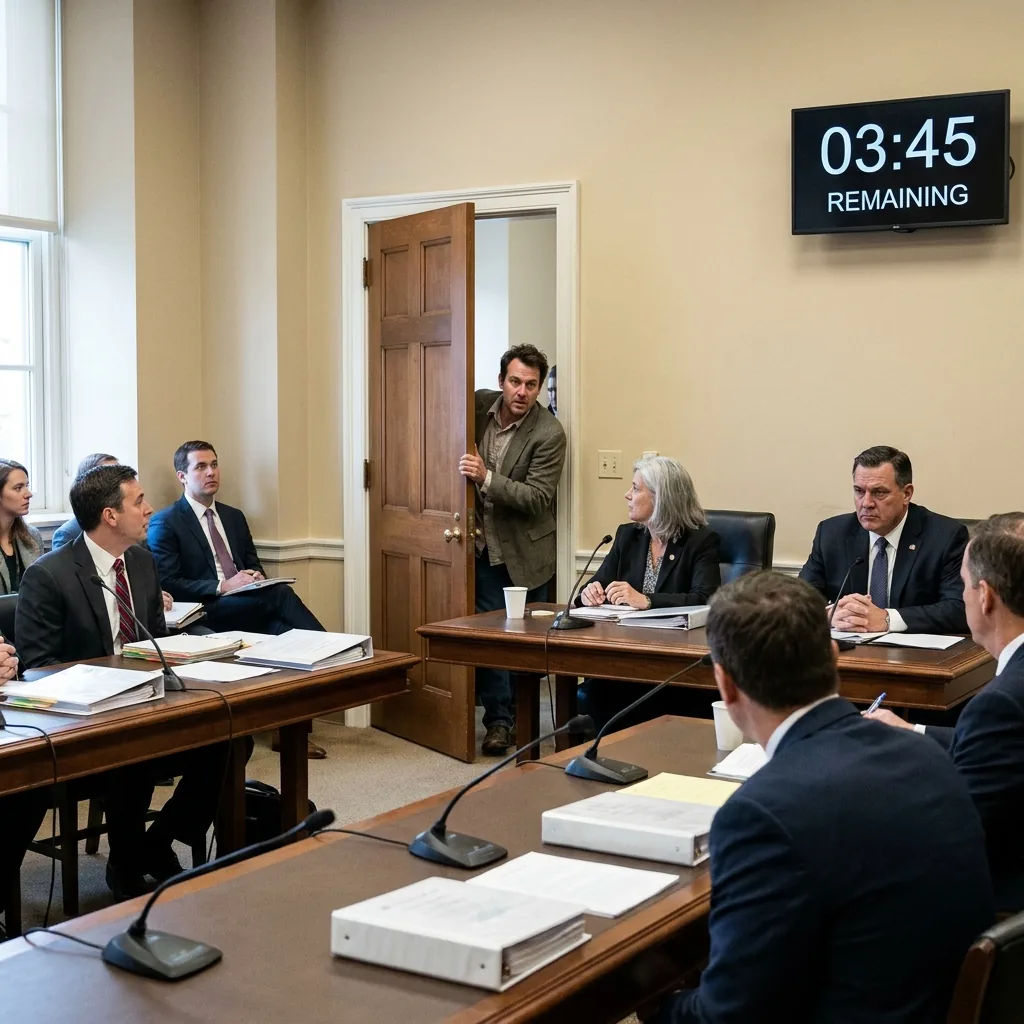
Evan Kessler hit the hearing room door so hard it bounced off the stopper, and half the room looked up from microphones, binders, and the timing screen at once. He pointed past me toward the sample freezer zone connected to the room and said if we did not override protocol right now, critical clone samples would be lost before this hearing even finished. Then, while I was still standing at the staff side table with the access console open, he tried to turn my job into the shortcut.
“Open it,” he said to me. “Right now. We do not have time for your chain-of-custody steps.”
The room had been moving in that slow formal way hearings move, with papers being slid into neat stacks and low mic checks between speakers. After that, everything tightened. The wall clock above the dais suddenly mattered more than the testimony packet in front of me.
I said, “I can’t authorize freezer access on a verbal demand.”
He stepped closer to the staff table. He was in a dark suit, no coat, collar slightly off center like he had put it back on in a hurry. “Then get someone who can. Temperature fault. We are minutes from irreversible loss.”
Dr. Lena Park did not raise her voice. She pressed her mic button and said, “Mr. Kessler, step back from staff and state precisely what you are requesting for the record.”
That helped, but only a little. His urgency had already done its work. People were turning in their chairs. One committee member had stopped writing. Another had started checking the timing monitor as if the numbers themselves could confirm what he was saying.
Asha Reed angled her microphone toward herself. “For the record,” she said, “are you asking this committee to direct staff to bypass established handling protocol for clone samples?”
“I am asking for immediate access,” Kessler snapped. “If your protocol destroys the specimens, that’s on this committee.”
That landed exactly how he wanted it to. Not because anyone agreed, but because it narrowed the room. He had taken a technical claim and turned it into a countdown. In a hearing room, a countdown can bully people faster than a threat.
I kept my hands off the console. The freezer status line was on my side screen, but the chain-of-custody pathway locked out any unilateral release. That was the point. Anything touching clone samples had to move through the proper technical channel.
Dr. Park said, “Do you have an active alarm code?”
Kessler answered too fast. “I was alerted there was a compressor issue and a temperature rise. I do not have time to debate terminology.”
Asha looked at him over her glasses. “Who alerted you?”
“My lab liaison.”
“Name?”
He pulled his phone from his pocket, glanced at it, then put it face down on the nearest counsel table without naming anyone. “That is not the issue.”
The issue, from where I was sitting, was that he kept asking for the result without the route that produced it.
Dr. Park turned slightly toward me. She did not look rattled. “Staff, what is the correct emergency pathway?”
I answered into my mic. “Technical compliance officer verification, logged access, witness present, and documented chain-of-custody if the freezer is opened or samples are moved.”
Kessler cut across me before I finished. “That takes too long.”
Asha said, “How long?”
He spread his hands. “Too long if there is active thaw.”
She repeated, quieter, “How long?”
No one in the room moved while he searched for an answer. The hearing microphones were live enough that I could hear the rustle of his cuff when he adjusted his sleeve.
“I don’t know your internal staffing times,” he said.
That was the first real shift. Not proof. Just a small scrape in the story. He had entered like every second was counted, but when asked to name the delay, he gave us nothing measurable.
Dr. Park said, “Then we will use the emergency pathway you just heard. Staff, contact Miguel Hart. Put the request through now.”
I started the call from the console and logged the hearing reference number. Miguel was the technical compliance officer on duty that afternoon. If there was a real freezer problem, he was exactly the person Kessler should have wanted in the room.
I had barely confirmed the page when Kessler leaned in so sharply his chair legs scraped behind him.
“No,” he said. “Not Miguel Hart. He doesn’t need to touch this. I only need temporary sponsor access to stabilize the units until my people arrive.”
Asha turned her head toward him. “You are objecting to the technical officer?”
“I’m objecting to unnecessary interference.”
A minute earlier he had been demanding that someone, anyone, help him save the samples. Now the one person who could verify the freezer condition through the proper pathway was the person he wanted stopped.
Dr. Park’s face did not change, but she did not tell me to cancel the page.
Kessler looked from the dais to my console and said, slower this time, “Do not bring him in before we clarify scope.”
That was the sentence that changed the room. He had rushed in claiming we were seconds from losing everything in that freezer, and the first concrete step toward real help was the one thing he suddenly had time to block.
Evan Kessler hit the hearing room door so hard it bounced off the stopper, and half the room looked up from microphones, binders, and the timing screen at once. He pointed past me toward the sample freezer zone connected to the room and said if we did not override protocol right now, critical clone samples would be lost before this hearing even finished. Then, while I was still standing at the staff side table with the access console open, he tried to turn my job into the shortcut.
“Open it,” he said to me. “Right now. We do not have time for your chain-of-custody steps.”
The room had been moving in that slow formal way hearings move, with papers being slid into neat stacks and low mic checks between speakers. After that, everything tightened. The wall clock above the dais suddenly mattered more than the testimony packet in front of me.
I said, “I can’t authorize freezer access on a verbal demand.”
He stepped closer to the staff table. He was in a dark suit, no coat, collar slightly off center like he had put it back on in a hurry. “Then get someone who can. Temperature fault. We are minutes from irreversible loss.”
Dr. Lena Park did not raise her voice. She pressed her mic button and said, “Mr. Kessler, step back from staff and state precisely what you are requesting for the record.”
That helped, but only a little. His urgency had already done its work. People were turning in their chairs. One committee member had stopped writing. Another had started checking the timing monitor as if the numbers themselves could confirm what he was saying.
Asha Reed angled her microphone toward herself. “For the record,” she said, “are you asking this committee to direct staff to bypass established handling protocol for clone samples?”
“I am asking for immediate access,” Kessler snapped. “If your protocol destroys the specimens, that’s on this committee.”
That landed exactly how he wanted it to. Not because anyone agreed, but because it narrowed the room. He had taken a technical claim and turned it into a countdown. In a hearing room, a countdown can bully people faster than a threat.
I kept my hands off the console. The freezer status line was on my side screen, but the chain-of-custody pathway locked out any unilateral release. That was the point. Anything touching clone samples had to move through the proper technical channel.
Dr. Park said, “Do you have an active alarm code?”
Kessler answered too fast. “I was alerted there was a compressor issue and a temperature rise. I do not have time to debate terminology.”
Asha looked at him over her glasses. “Who alerted you?”
“My lab liaison.”
“Name?”
He pulled his phone from his pocket, glanced at it, then put it face down on the nearest counsel table without naming anyone. “That is not the issue.”
The issue, from where I was sitting, was that he kept asking for the result without the route that produced it.
Dr. Park turned slightly toward me. She did not look rattled. “Staff, what is the correct emergency pathway?”
I answered into my mic. “Technical compliance officer verification, logged access, witness present, and documented chain-of-custody if the freezer is opened or samples are moved.”
Kessler cut across me before I finished. “That takes too long.”
Asha said, “How long?”
He spread his hands. “Too long if there is active thaw.”
She repeated, quieter, “How long?”
No one in the room moved while he searched for an answer. The hearing microphones were live enough that I could hear the rustle of his cuff when he adjusted his sleeve.
“I don’t know your internal staffing times,” he said.
That was the first real shift. Not proof. Just a small scrape in the story. He had entered like every second was counted, but when asked to name the delay, he gave us nothing measurable.
Dr. Park said, “Then we will use the emergency pathway you just heard. Staff, contact Miguel Hart. Put the request through now.”
I started the call from the console and logged the hearing reference number. Miguel was the technical compliance officer on duty that afternoon. If there was a real freezer problem, he was exactly the person Kessler should have wanted in the room.
I had barely confirmed the page when Kessler leaned in so sharply his chair legs scraped behind him.
“No,” he said. “Not Miguel Hart. He doesn’t need to touch this. I only need temporary sponsor access to stabilize the units until my people arrive.”
Asha turned her head toward him. “You are objecting to the technical officer?”
“I’m objecting to unnecessary interference.”
A minute earlier he had been demanding that someone, anyone, help him save the samples. Now the one person who could verify the freezer condition through the proper pathway was the person he wanted stopped.
Dr. Park’s face did not change, but she did not tell me to cancel the page.
Kessler looked from the dais to my console and said, slower this time, “Do not bring him in before we clarify scope.”
That was the sentence that changed the room. He had rushed in claiming we were seconds from losing everything in that freezer, and the first concrete step toward real help was the one thing he suddenly had time to block.