Story code: ST-000722
Part 1: He Walked Through the Staff Door Like It Was His
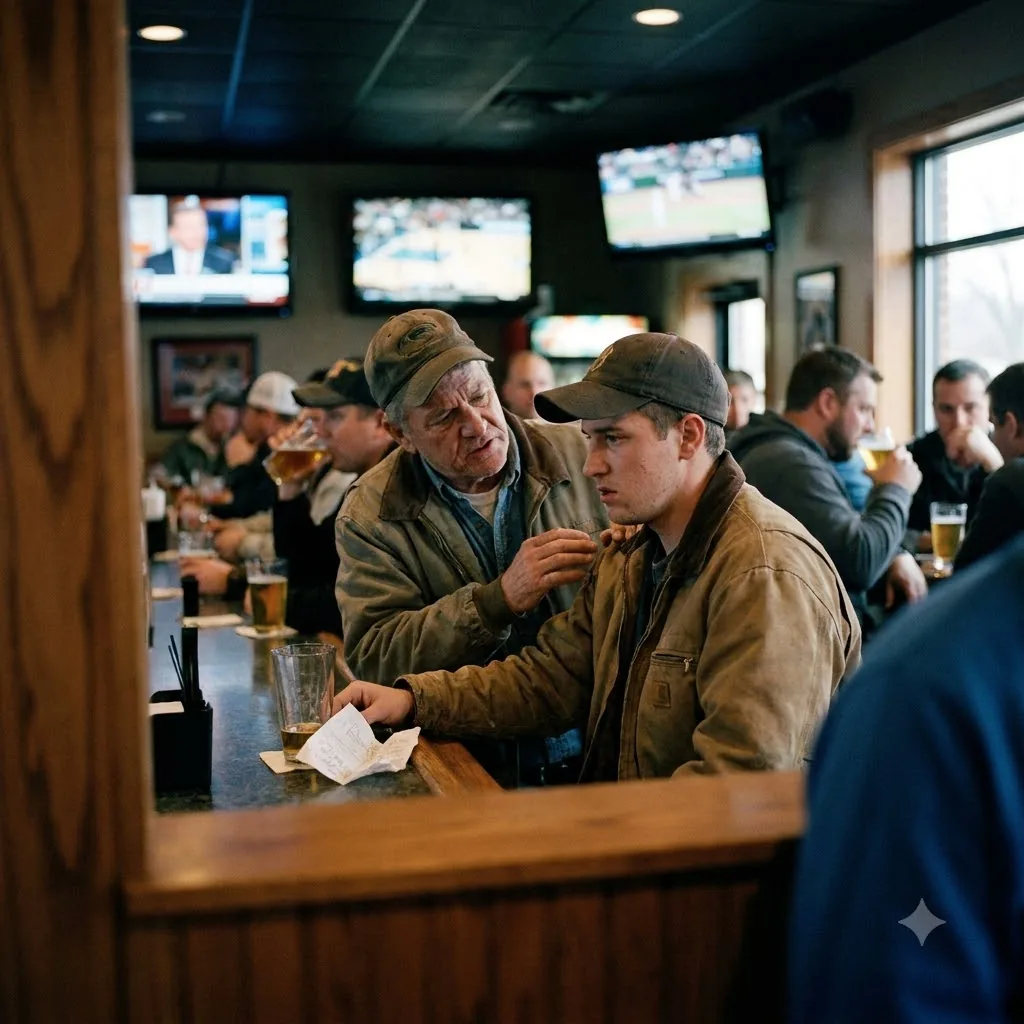
My uncle Darryl shoved through the sports bar’s side threshold without permission, cornered me by the service station, and slapped a betting slip beside my drink like I owed him something in public. The TVs were blaring a late game, a server was balancing wing baskets behind him, and he said my name loud enough for three tables to hear while acting like the real problem was me refusing to “help family.” The part that did not fit was simple: he should not have known which private door led to me, and he should not have been able to get that close without someone showing him the path.
That is where the whole thing started, not with yelling, not with some dramatic entrance from the front, but with Darryl coming in through the narrow employee-side threshold near the restrooms and storage hall, the one regular customers do not use unless they are lost or trying something.
I was standing at the small ledge by the soda gun waiting for Tessa to close out my tab. She had just set one receipt folder under the register and turned to answer another server. I had my phone, my card, and my jacket folded over my arm. Then Darryl appeared at my shoulder, too close, already inside the line where strangers are supposed to stop.
He held a crumpled betting slip between two fingers and tapped it on the ledge beside my glass.
“You need to fix this tonight,” he said.
Not hello. Not can we talk. Just that.
I stepped sideways because his body was blocking the only easy path back into the room. “You don’t come through that door,” I said.
He gave that fast shrug people use when they want the room to treat a line-crossing like a misunderstanding. “I came to talk. Don’t make this bigger than it is.”
But it was already bigger than whatever excuse he brought in with him, because Tessa looked up the second she heard my tone change. She was still holding the pen from the register. She looked at Darryl, then at the door behind him, then back to me.
“Sir, that’s not public access,” she said.
He did not move. He flattened the betting slip with his palm like it was proof of something official. It had printed numbers, a barcode, and a total written in dark ink across the top. I could not verify every line from where I stood, but I could see enough to know it was not random trash he picked up off the floor. He wanted it visible.
“It’s family business,” he said, louder this time. “I’m not leaving until she handles it.”
That was the first turn in the room. Two guys at the nearest high-top stopped watching the screen and started watching us. One woman at the end of the bar pulled her stool in so she would not be brushed by him. Nobody knew the whole story yet, but everybody could see the same basic sequence: he came through a private threshold, planted himself in my space, and used an object tied to money as pressure.
I did not touch the slip. “Take that off the counter.”
He pushed it half an inch closer. “You know what this is.”
That line mattered, because it was built to sound like shared guilt. I kept my eyes on the paper and on his hands. “I know you’re waving it around in a bar,” I said. “That’s what I know.”
His jaw tightened. He glanced toward the hall behind him, then over my shoulder toward the front entrance, measuring the room instead of answering the point. That glance mattered too. People who wander through the wrong door by accident usually look embarrassed and back out. Darryl looked like he expected the route to work.
Tessa came around from the register and stopped at the edge of the service mat. “You need to step back from her,” she said. “Now.”
He switched tactics so fast it almost would have worked if everyone had not just watched the first version. He spread one hand, smiled without much warmth, and said, “Nobody’s threatening anybody. I just need two minutes.”
But his other hand stayed on the betting slip.
He said my name again, lower this time. “Don’t do this here.”
I answered just as low. “You already did it here.”
That got a reaction from the bar that had nothing to do with volume. A stool scraped. Someone muttered, “He came through the back?” Tessa reached for the small incident notebook she keeps under the terminal, the one staff use when a customer gets cut off or a line gets crossed. She did not write yet, but she had it in her hand where Darryl could see it.
Then he made the mistake that locked the night into place.
He said, “Noah told me where to find you anyway.”
He said it like it cleared him. Like being related to somebody close to me meant the private path belonged to him.
The betting slip was still on the ledge. The wrong door was still open behind him. And now Noah’s name was in it, attached to an access route Darryl should never have had in the first place.
My uncle Darryl shoved through the sports bar’s side threshold without permission, cornered me by the service station, and slapped a betting slip beside my drink like I owed him something in public. The TVs were blaring a late game, a server was balancing wing baskets behind him, and he said my name loud enough for three tables to hear while acting like the real problem was me refusing to “help family.” The part that did not fit was simple: he should not have known which private door led to me, and he should not have been able to get that close without someone showing him the path.
That is where the whole thing started, not with yelling, not with some dramatic entrance from the front, but with Darryl coming in through the narrow employee-side threshold near the restrooms and storage hall, the one regular customers do not use unless they are lost or trying something.
I was standing at the small ledge by the soda gun waiting for Tessa to close out my tab. She had just set one receipt folder under the register and turned to answer another server. I had my phone, my card, and my jacket folded over my arm. Then Darryl appeared at my shoulder, too close, already inside the line where strangers are supposed to stop.
He held a crumpled betting slip between two fingers and tapped it on the ledge beside my glass.
“You need to fix this tonight,” he said.
Not hello. Not can we talk. Just that.
I stepped sideways because his body was blocking the only easy path back into the room. “You don’t come through that door,” I said.
He gave that fast shrug people use when they want the room to treat a line-crossing like a misunderstanding. “I came to talk. Don’t make this bigger than it is.”
But it was already bigger than whatever excuse he brought in with him, because Tessa looked up the second she heard my tone change. She was still holding the pen from the register. She looked at Darryl, then at the door behind him, then back to me.
“Sir, that’s not public access,” she said.
He did not move. He flattened the betting slip with his palm like it was proof of something official. It had printed numbers, a barcode, and a total written in dark ink across the top. I could not verify every line from where I stood, but I could see enough to know it was not random trash he picked up off the floor. He wanted it visible.
“It’s family business,” he said, louder this time. “I’m not leaving until she handles it.”
That was the first turn in the room. Two guys at the nearest high-top stopped watching the screen and started watching us. One woman at the end of the bar pulled her stool in so she would not be brushed by him. Nobody knew the whole story yet, but everybody could see the same basic sequence: he came through a private threshold, planted himself in my space, and used an object tied to money as pressure.
I did not touch the slip. “Take that off the counter.”
He pushed it half an inch closer. “You know what this is.”
That line mattered, because it was built to sound like shared guilt. I kept my eyes on the paper and on his hands. “I know you’re waving it around in a bar,” I said. “That’s what I know.”
His jaw tightened. He glanced toward the hall behind him, then over my shoulder toward the front entrance, measuring the room instead of answering the point. That glance mattered too. People who wander through the wrong door by accident usually look embarrassed and back out. Darryl looked like he expected the route to work.
Tessa came around from the register and stopped at the edge of the service mat. “You need to step back from her,” she said. “Now.”
He switched tactics so fast it almost would have worked if everyone had not just watched the first version. He spread one hand, smiled without much warmth, and said, “Nobody’s threatening anybody. I just need two minutes.”
But his other hand stayed on the betting slip.
He said my name again, lower this time. “Don’t do this here.”
I answered just as low. “You already did it here.”
That got a reaction from the bar that had nothing to do with volume. A stool scraped. Someone muttered, “He came through the back?” Tessa reached for the small incident notebook she keeps under the terminal, the one staff use when a customer gets cut off or a line gets crossed. She did not write yet, but she had it in her hand where Darryl could see it.
Then he made the mistake that locked the night into place.
He said, “Noah told me where to find you anyway.”
He said it like it cleared him. Like being related to somebody close to me meant the private path belonged to him.
The betting slip was still on the ledge. The wrong door was still open behind him. And now Noah’s name was in it, attached to an access route Darryl should never have had in the first place.