Story code: ST-000804
Part 1: He Said My Name Like It Was Footnote
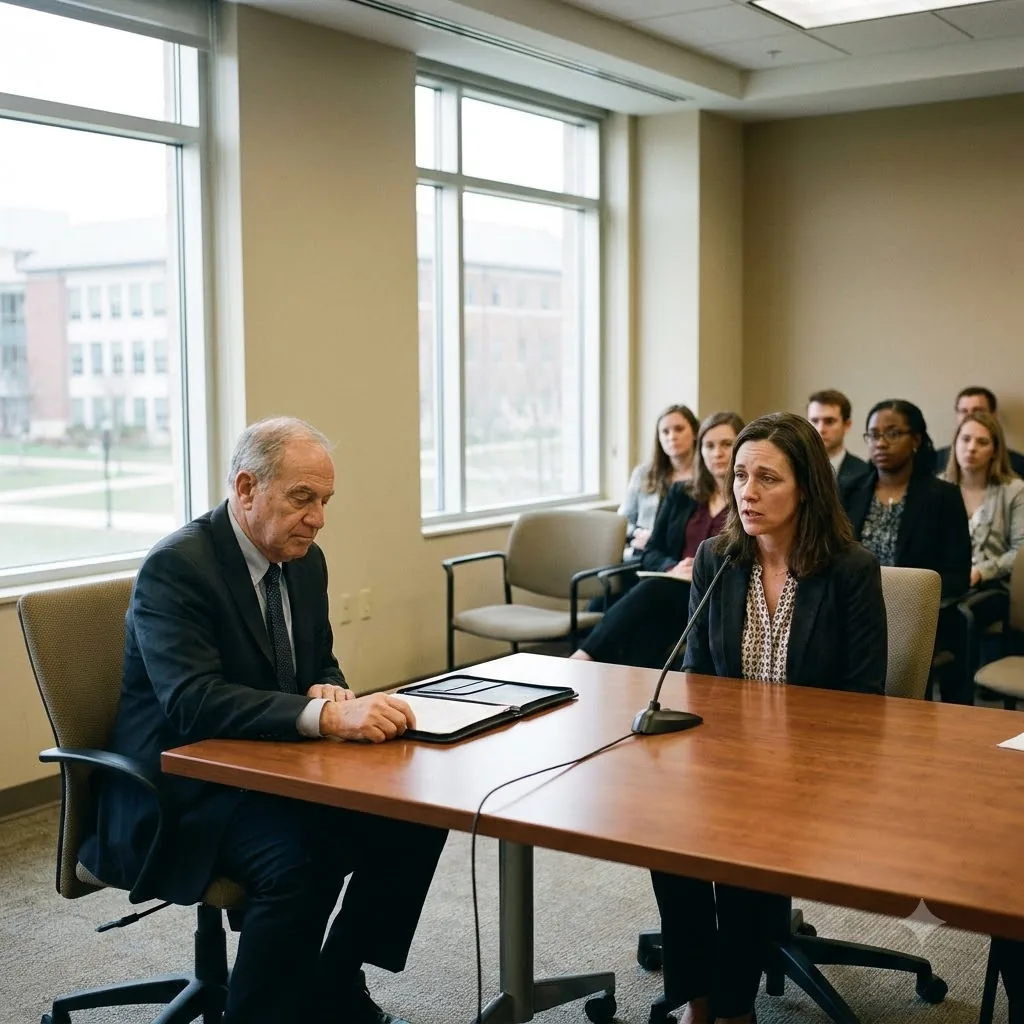
Dr. Grant Voss took credit for my freezer chain in front of the board before my microphone was even live. I was sitting at the witness table with my name placard turned toward a room full of people chewing pens and flipping hearing binders, and he was thanking the chair for the chance to explain how he had personally built the sample integrity system for our clone trial. The problem was simple enough to choke on: the sample freezer he was praising himself for was mine in every way that mattered, and if anyone in that room asked one real question, he would need me to keep lying.
I did not interrupt him. In that room, interrupting a sponsor was a fast way to get described as unstable, emotional, difficult, not ready for serious work. So I sat straight, folded my hands once to stop them from moving, and listened to him tell the board that the clone line had remained reliable because of his oversight of storage, handling, and verification.
Oversight.
That word let him take a whole year of my life and make it sound like he had personally stood in front of the freezer at six in the morning with numb fingers, checking rack positions against temperature fluctuation logs because one mislabeled vial could sink a trial. He said “my team” a few times. He said “under my direction” more than that. He never said my name until Eli Mercer, board counsel, asked who maintained the physical sample map.
Grant glanced toward me with the kind of tidy smile that looked generous from far away.
“Ms. Ellison assisted with implementation,” he said.
Assisted.
I had built the map because there had not been one. When I started, the sample freezer looked organized only to people who never opened it. The left bay iced over harder than the right. Rack C ran colder than the readings suggested. One latch needed an extra lift before it sealed. If you did not know that, you could think a sample had gone missing when it had only slid behind the rear guard during a rushed return. I learned every ugly little habit of that machine because nobody else stayed long enough to care.
Dr. Naomi Pike, the hearing chair, did not react to the word choice. She only looked down at her notes, then back up.
“Ms. Ellison, you’ll have time to respond,” she said.
Her voice was even. No rescue in it. No warning either.
Grant went on describing the program like he was narrating a clean diagram. Across the table, his binder sat open to tabs I had filled. The labels were mine too. Blue tape, block print, dates on the lower right corner because he liked a polished room and hated doing the boring work that created one.
The hearing was supposed to be about clone trial handling practices after a flagged discrepancy in one transfer window. Public facing, they called it. Transparent oversight. The board members sat behind the dais with water pitchers and hard faces, and every sentence mattered because whatever landed in that transcript would follow people longer than gossip ever could.
Which was exactly why it hurt watching my work become his record in real time.
Eli Mercer leaned forward. “Doctor, when you say you verified chain integrity at the freezer level, what did that verification consist of?”
Grant did not hesitate. “Review of sample positions, accession continuity, and handling compliance.”
That was good language. High-level language. Safe language.
Eli tapped his pen once. “Walk me through the practical sequence. Start with identifying a sample from intake through freezer placement and later retrieval for clone trial use.”
There it was.
Grant shifted one page in his binder. “The practical sequence follows standard controlled biostorage procedures. Intake, logging, secure placement, retrieval authorization, and verification at point of use.”
No one in the room moved much, but the stillness changed. I could hear paper stop sliding. Even the person near the back who had been tapping a phone screen went still.
Because that answer sounded polished right up until you had ever done the work.
There was no single “standard” sequence for our freezer because our clone trial samples did not move like generic inventory. Some went into long-term positions by lot. Others had to be placed by time-sensitive retrieval order because thaw risk changed what could be touched first. The chain only held if the person doing it knew the logic behind the rack positions, not just the labels on them.
Naomi Pike turned a page in front of her. “Can you be more specific, Dr. Voss?”
He gave a shorter smile this time. “Of course. The samples were arranged by project segment and coded identifier.”
That was worse. Not wrong enough to sound false to outsiders. Just wrong enough that anyone who had ever stood inside the freezer process would know he was talking around a hole.
I kept my face still. My pulse beat hard at the base of my throat, but I made myself look at the microphones, the placards, the stack of exhibits, anything except his hands. If I looked at him too long, I was afraid the anger would show before the proof did.
Then Eli asked the question I had been waiting for without knowing if anyone in that room would ever get there.
“Which coded identifier system?” he said. “And where, physically, would the board find the March viability hold samples in the freezer layout you just described?”
Grant looked at me.
It lasted maybe a second. Long enough.
Then he faced forward again and reached for his water, and for the first time that morning I saw the gap open wide enough to fit the truth through.
Because there was only one person in that room who could answer that question without guessing, and it was not the man who had just claimed my work.
Dr. Grant Voss took credit for my freezer chain in front of the board before my microphone was even live. I was sitting at the witness table with my name placard turned toward a room full of people chewing pens and flipping hearing binders, and he was thanking the chair for the chance to explain how he had personally built the sample integrity system for our clone trial. The problem was simple enough to choke on: the sample freezer he was praising himself for was mine in every way that mattered, and if anyone in that room asked one real question, he would need me to keep lying.
I did not interrupt him. In that room, interrupting a sponsor was a fast way to get described as unstable, emotional, difficult, not ready for serious work. So I sat straight, folded my hands once to stop them from moving, and listened to him tell the board that the clone line had remained reliable because of his oversight of storage, handling, and verification.
Oversight.
That word let him take a whole year of my life and make it sound like he had personally stood in front of the freezer at six in the morning with numb fingers, checking rack positions against temperature fluctuation logs because one mislabeled vial could sink a trial. He said “my team” a few times. He said “under my direction” more than that. He never said my name until Eli Mercer, board counsel, asked who maintained the physical sample map.
Grant glanced toward me with the kind of tidy smile that looked generous from far away.
“Ms. Ellison assisted with implementation,” he said.
Assisted.
I had built the map because there had not been one. When I started, the sample freezer looked organized only to people who never opened it. The left bay iced over harder than the right. Rack C ran colder than the readings suggested. One latch needed an extra lift before it sealed. If you did not know that, you could think a sample had gone missing when it had only slid behind the rear guard during a rushed return. I learned every ugly little habit of that machine because nobody else stayed long enough to care.
Dr. Naomi Pike, the hearing chair, did not react to the word choice. She only looked down at her notes, then back up.
“Ms. Ellison, you’ll have time to respond,” she said.
Her voice was even. No rescue in it. No warning either.
Grant went on describing the program like he was narrating a clean diagram. Across the table, his binder sat open to tabs I had filled. The labels were mine too. Blue tape, block print, dates on the lower right corner because he liked a polished room and hated doing the boring work that created one.
The hearing was supposed to be about clone trial handling practices after a flagged discrepancy in one transfer window. Public facing, they called it. Transparent oversight. The board members sat behind the dais with water pitchers and hard faces, and every sentence mattered because whatever landed in that transcript would follow people longer than gossip ever could.
Which was exactly why it hurt watching my work become his record in real time.
Eli Mercer leaned forward. “Doctor, when you say you verified chain integrity at the freezer level, what did that verification consist of?”
Grant did not hesitate. “Review of sample positions, accession continuity, and handling compliance.”
That was good language. High-level language. Safe language.
Eli tapped his pen once. “Walk me through the practical sequence. Start with identifying a sample from intake through freezer placement and later retrieval for clone trial use.”
There it was.
Grant shifted one page in his binder. “The practical sequence follows standard controlled biostorage procedures. Intake, logging, secure placement, retrieval authorization, and verification at point of use.”
No one in the room moved much, but the stillness changed. I could hear paper stop sliding. Even the person near the back who had been tapping a phone screen went still.
Because that answer sounded polished right up until you had ever done the work.
There was no single “standard” sequence for our freezer because our clone trial samples did not move like generic inventory. Some went into long-term positions by lot. Others had to be placed by time-sensitive retrieval order because thaw risk changed what could be touched first. The chain only held if the person doing it knew the logic behind the rack positions, not just the labels on them.
Naomi Pike turned a page in front of her. “Can you be more specific, Dr. Voss?”
He gave a shorter smile this time. “Of course. The samples were arranged by project segment and coded identifier.”
That was worse. Not wrong enough to sound false to outsiders. Just wrong enough that anyone who had ever stood inside the freezer process would know he was talking around a hole.
I kept my face still. My pulse beat hard at the base of my throat, but I made myself look at the microphones, the placards, the stack of exhibits, anything except his hands. If I looked at him too long, I was afraid the anger would show before the proof did.
Then Eli asked the question I had been waiting for without knowing if anyone in that room would ever get there.
“Which coded identifier system?” he said. “And where, physically, would the board find the March viability hold samples in the freezer layout you just described?”
Grant looked at me.
It lasted maybe a second. Long enough.
Then he faced forward again and reached for his water, and for the first time that morning I saw the gap open wide enough to fit the truth through.
Because there was only one person in that room who could answer that question without guessing, and it was not the man who had just claimed my work.