Story code: ST-000039
Part 1: Access Revoked
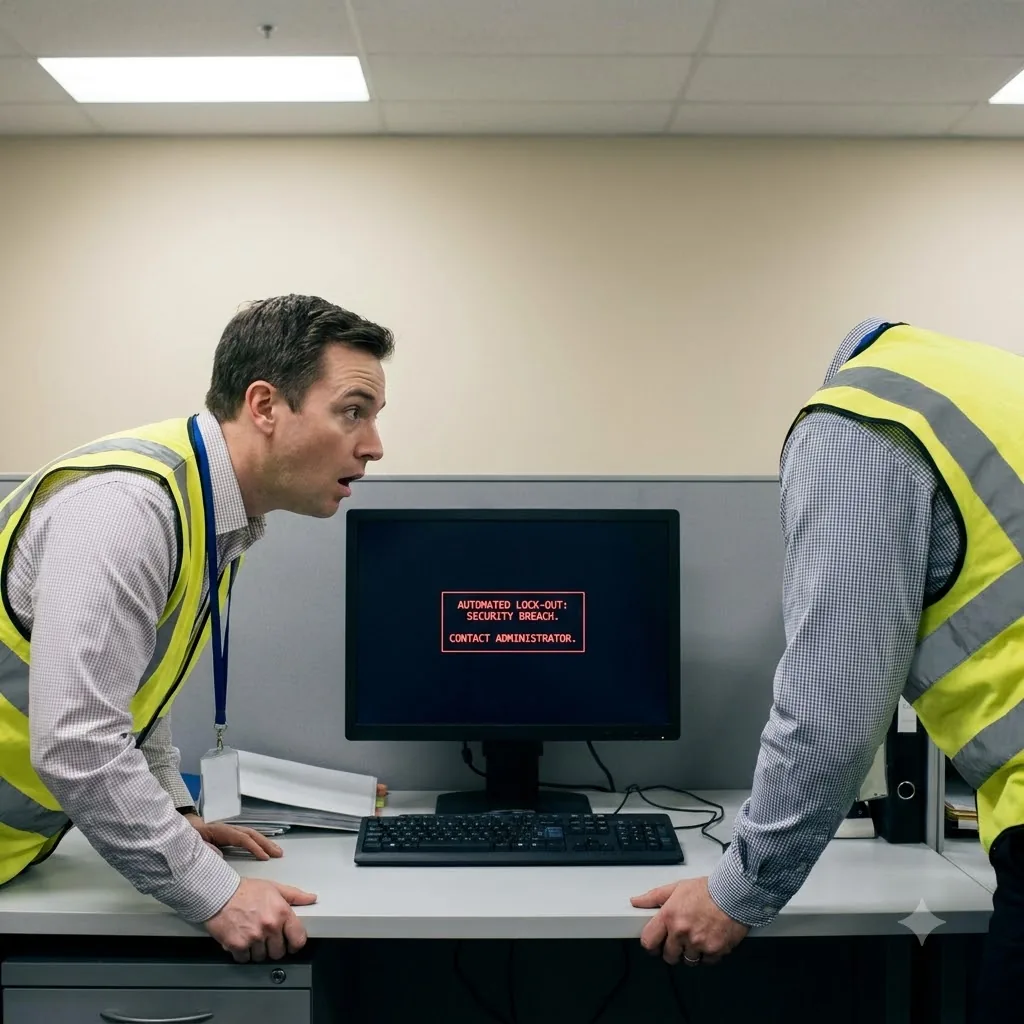
The low hum of the fulfillment center’s cooling fans was the only sound left when Sarah’s administrative dashboard abruptly blinked out of existence. Mid-keystroke, the vibrant flow of logistics data vanished, replaced by a flat, pitch-black screen. A single red notification box materialized in the center of the monitor: ACCESS REVOKED – IMMEDIATE DEPARTURE REQUIRED.
Sarah tapped the escape key. She pressed the spacebar, then dragged her mouse across the pad in a jagged circle. The cursor did not appear. The red box remained, glaring against the black background. As the senior operations manager for the regional hub, she held Level 5 clearance. Her efficiency metrics had led the entire district for eleven consecutive months. The proprietary management algorithm, known as the Apex System, relied on her manual overrides to keep the warehouse floor moving during bottleneck periods. An automated lockout of her profile was unprecedented.
She reached for her desk phone to dial the internal IT helpdesk. The digital display on the receiver was completely blank. She picked up the handset and heard nothing but dead air. No dial tone, no static. The quiet inside her glass-walled office felt sudden and heavy. Down on the main floor, the massive sorting belts continued to roar, carrying tens of thousands of packages toward the loading bays. The shift was running at maximum capacity, entirely oblivious to the severed connection in the control booth.
Sarah pulled her personal cellphone from her pocket. She opened the secure company messaging app to text Marcus, the lead systems engineer. The application crashed instantly. The login screen reappeared with a small error code stating her credentials no longer existed in the corporate directory. The building’s internal Wi-Fi network had forcibly dropped her device’s MAC address.
She stood up, her desk chair rolling backward and bumping into the heavy steel filing cabinet. She walked to her office door and swiped her employee badge against the reader to step out into the main administrative hallway. The scanner flashed a solid, angry crimson. A heavy mechanical click echoed through the glass frame as the electronic deadbolt engaged, locking her inside.
Sarah stared at the small red LED on the card reader. The Apex System was designed to secure the facility against active physical threats by compartmentalizing administrative sectors. The software did not just log her out. It had labeled her a severe security risk.
She gripped the emergency manual override knob on the handle and twisted hard. The door opened with a harsh metallic scrape, triggering a sharp overhead chirp from the security sensors. She stepped out into the corridor. The fluorescent lights in her specific section immediately dimmed, switching to the low-power overnight cycle. The algorithm was systematically shutting down her workspace, treating her presence as a ghost in the machine.
She walked briskly down the hallway toward the elevator bank. Two junior analysts walked past her, their eyes fixed on their digital clipboards. They did not look up, unaware that the senior manager passing them had just been digitally erased. Sarah tapped her badge against the elevator call button. Nothing happened. The illuminated up arrow remained dark. She turned and pushed through the heavy steel fire doors, taking the concrete stairwell down two flights to the ground floor.
Her rubber-soled shoes slapped against the steps in a rapid, echoing rhythm. A top-performing executive did not get zeroed out by a random software bug. The Apex algorithm was highly structured and relentlessly objective. A full-personnel scrub required a localized trigger, an extreme violation flagged and processed by human resources. Someone had to feed the system a catastrophic failure report under her name to force an immediate eviction protocol.
Sarah pushed through the bottom stairwell door and stepped into the brightly lit HR lobby. The administrative assistant at the front desk stopped typing immediately. The young man stared at Sarah, his eyes dropping to the dead security badge swinging on her lanyard. He stood up slowly, pushing his rolling chair back, and reached for the emergency landline on his desk.
Sarah ignored his panic and bypassed the reception counter, walking straight toward the glass double doors of the Director of Human Resources. The blinds were drawn tight, a rare occurrence during operational hours.
She pushed the heavy handle down and shoved the door open without knocking. Director Miller was seated at his desk, staring intently at his monitor. Sitting in the guest chair opposite him was Chloe, the newly transferred regional efficiency auditor. Chloe did not look surprised to see Sarah standing in the doorway.
Miller looked up, his face pale and strictly professional. He folded his hands atop a thick, printed file folder bearing Sarah’s employee identification number in bold black ink. The label on the side was marked with a thick red strip, the universal company code for gross misconduct and immediate termination.
Sarah looked at the folder, then at Chloe, who sat perfectly still with her hands resting neatly in her lap. The auditor wore a small, practiced expression of corporate sympathy, a look entirely at odds with the severe algorithmic lockdown triggered upstairs.
Miller cleared his throat and slid the red-striped folder across the mahogany desk toward the edge. He instructed Sarah to hand over her physical keys and step away from all company hardware immediately, stating that security was already on their way to escort her from the premises. Chloe adjusted her posture in the guest chair, reaching out to place her own manicured hand firmly on top of the termination file.
The low hum of the fulfillment center’s cooling fans was the only sound left when Sarah’s administrative dashboard abruptly blinked out of existence. Mid-keystroke, the vibrant flow of logistics data vanished, replaced by a flat, pitch-black screen. A single red notification box materialized in the center of the monitor: ACCESS REVOKED – IMMEDIATE DEPARTURE REQUIRED.
Sarah tapped the escape key. She pressed the spacebar, then dragged her mouse across the pad in a jagged circle. The cursor did not appear. The red box remained, glaring against the black background. As the senior operations manager for the regional hub, she held Level 5 clearance. Her efficiency metrics had led the entire district for eleven consecutive months. The proprietary management algorithm, known as the Apex System, relied on her manual overrides to keep the warehouse floor moving during bottleneck periods. An automated lockout of her profile was unprecedented.
She reached for her desk phone to dial the internal IT helpdesk. The digital display on the receiver was completely blank. She picked up the handset and heard nothing but dead air. No dial tone, no static. The quiet inside her glass-walled office felt sudden and heavy. Down on the main floor, the massive sorting belts continued to roar, carrying tens of thousands of packages toward the loading bays. The shift was running at maximum capacity, entirely oblivious to the severed connection in the control booth.
Sarah pulled her personal cellphone from her pocket. She opened the secure company messaging app to text Marcus, the lead systems engineer. The application crashed instantly. The login screen reappeared with a small error code stating her credentials no longer existed in the corporate directory. The building’s internal Wi-Fi network had forcibly dropped her device’s MAC address.
She stood up, her desk chair rolling backward and bumping into the heavy steel filing cabinet. She walked to her office door and swiped her employee badge against the reader to step out into the main administrative hallway. The scanner flashed a solid, angry crimson. A heavy mechanical click echoed through the glass frame as the electronic deadbolt engaged, locking her inside.
Sarah stared at the small red LED on the card reader. The Apex System was designed to secure the facility against active physical threats by compartmentalizing administrative sectors. The software did not just log her out. It had labeled her a severe security risk.
She gripped the emergency manual override knob on the handle and twisted hard. The door opened with a harsh metallic scrape, triggering a sharp overhead chirp from the security sensors. She stepped out into the corridor. The fluorescent lights in her specific section immediately dimmed, switching to the low-power overnight cycle. The algorithm was systematically shutting down her workspace, treating her presence as a ghost in the machine.
She walked briskly down the hallway toward the elevator bank. Two junior analysts walked past her, their eyes fixed on their digital clipboards. They did not look up, unaware that the senior manager passing them had just been digitally erased. Sarah tapped her badge against the elevator call button. Nothing happened. The illuminated up arrow remained dark. She turned and pushed through the heavy steel fire doors, taking the concrete stairwell down two flights to the ground floor.
Her rubber-soled shoes slapped against the steps in a rapid, echoing rhythm. A top-performing executive did not get zeroed out by a random software bug. The Apex algorithm was highly structured and relentlessly objective. A full-personnel scrub required a localized trigger, an extreme violation flagged and processed by human resources. Someone had to feed the system a catastrophic failure report under her name to force an immediate eviction protocol.
Sarah pushed through the bottom stairwell door and stepped into the brightly lit HR lobby. The administrative assistant at the front desk stopped typing immediately. The young man stared at Sarah, his eyes dropping to the dead security badge swinging on her lanyard. He stood up slowly, pushing his rolling chair back, and reached for the emergency landline on his desk.
Sarah ignored his panic and bypassed the reception counter, walking straight toward the glass double doors of the Director of Human Resources. The blinds were drawn tight, a rare occurrence during operational hours.
She pushed the heavy handle down and shoved the door open without knocking. Director Miller was seated at his desk, staring intently at his monitor. Sitting in the guest chair opposite him was Chloe, the newly transferred regional efficiency auditor. Chloe did not look surprised to see Sarah standing in the doorway.
Miller looked up, his face pale and strictly professional. He folded his hands atop a thick, printed file folder bearing Sarah’s employee identification number in bold black ink. The label on the side was marked with a thick red strip, the universal company code for gross misconduct and immediate termination.
Sarah looked at the folder, then at Chloe, who sat perfectly still with her hands resting neatly in her lap. The auditor wore a small, practiced expression of corporate sympathy, a look entirely at odds with the severe algorithmic lockdown triggered upstairs.
Miller cleared his throat and slid the red-striped folder across the mahogany desk toward the edge. He instructed Sarah to hand over her physical keys and step away from all company hardware immediately, stating that security was already on their way to escort her from the premises. Chloe adjusted her posture in the guest chair, reaching out to place her own manicured hand firmly on top of the termination file.