Story code: ST-000070
Part 1: The Idle-Tracker
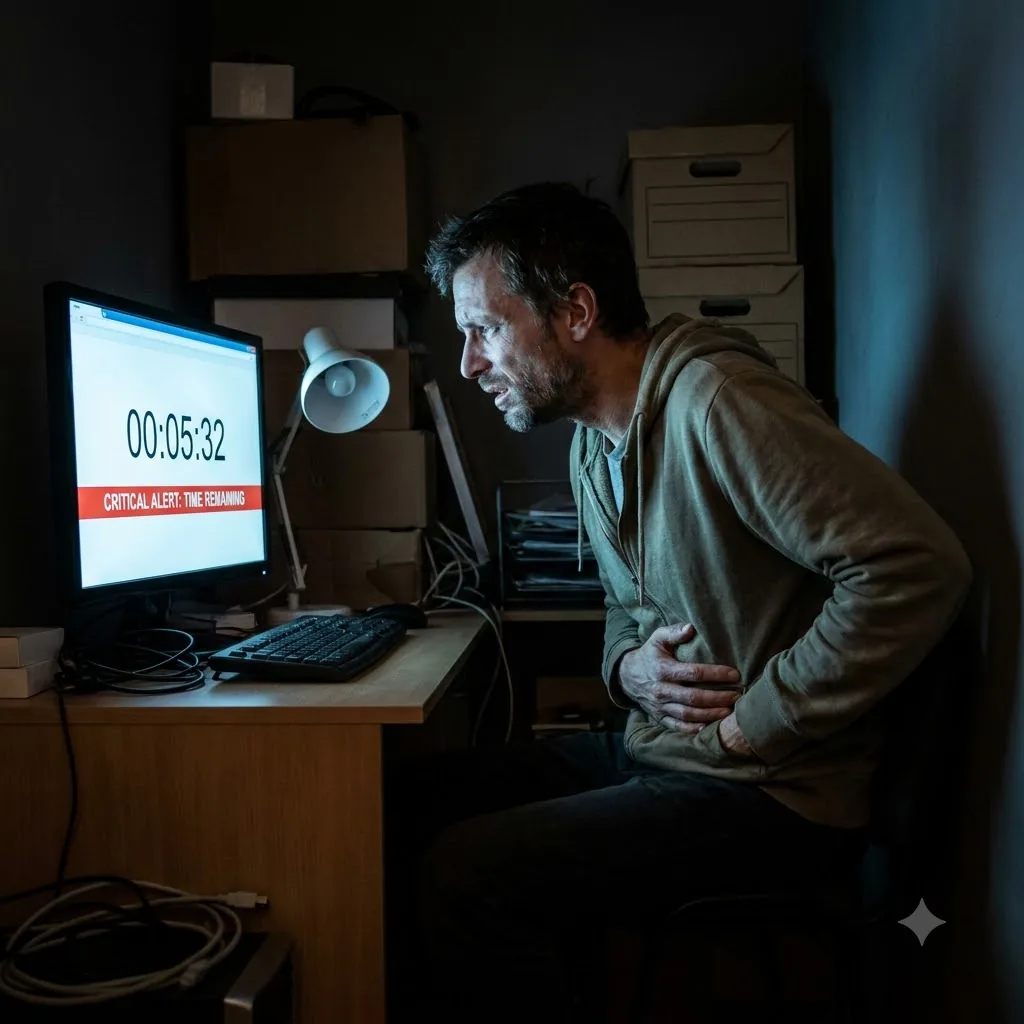
The red progress bar on Julian’s monitor crawled toward a critical threshold while a blurred mesh of pixels waited for his final categorization click. His finger hovered over the mouse, trembling as the muffled, synthetic sounds of violence from the flagged video bled through his headphones. If he failed to tag the horror in the next ten seconds, the idle-tracker software would ping his manager. He forced himself to watch the final frame to verify the violation, slammed the button for ‘Extreme Graphic Content,’ and ripped the headset off his sweating ears. His stomach seized with a violent jolt. He bolted for the small bathroom down the hall, barely making it before he dry-heaved into the sink.
He gripped the porcelain edges, splashing cold tap water over his face and staring at his pale, exhausted reflection. He forced his breathing to slow, counting the cracked tiles on the wall to push the visceral, bloody imagery out of his head. This was his third month as a content moderator for the platform, and the psychological toll was hollowing him out. The digital clock on the microwave in his cramped kitchenette read 2:14 PM. He wiped his face with a rough towel and hurried back to his desk, hoping the system had paused between queues.
The screen was entirely locked. A stark, red notification box dominated the center of his monitor, blindingly bright against the dark room.
Message from Manager: 4-minute unapproved absence detected. Idle-tracker protocol engaged. Remaining shift canceled. Daily pay docked entirely.
Julian stared at the words, a cold dread washing out the lingering nausea. He clicked the icon to appeal, typing a frantic message about a physical emergency, but the automated rejection bounced back instantly. His manager’s digital avatar, a generic gray silhouette, remained offline. He opened his banking tab, his chest tightening as the dismal balance loaded. He was exactly eighty-four dollars short for his rent transfer, and his landlord had already taped a final ‘Notice to Quit’ warning on his door the day before. The docked pay from this single afternoon erased his last margin of survival.
He rubbed his temples, pulling up the city’s emergency municipal services portal. A bold banner at the top of the site advertised an emergency housing relief forum happening at five o’clock that evening at the district town hall. Applicants had to be present to receive the rapid-dispersion rental vouchers.
He grabbed his jacket, leaving his workstation powered on to avoid another penalty flag. The commute across town involved two buses and a long walk through an upscale neighborhood. Julian kept his head down as he passed manicured lawns, wrought-iron gates, and imported luxury cars parked in wide driveways. The sheer wealth of the district felt like a crushing weight against his damp jacket and worn shoes. He reached the marble steps of the civic center just as the heavy doors were being propped open.
The auditorium was packed with tense, murmuring residents clutching manila folders and utility bills. Julian found a plastic folding chair near the back, clutching his own printed bank statements. He kept his eyes lowered, the traumatic flashes of the flagged videos still pulsing behind his eyelids every time he blinked. The heavy oak doors at the front of the room swung shut, hushing the anxious crowd.
A panel of local representatives filed onto the stage, taking their seats behind a long table draped in dark blue fabric. The moderator tapped the microphone, the feedback whining through the speakers before settling into a low hum. The moderator announced the keynote speaker, a prominent community developer leading the emergency housing initiative and neighborhood preservation board. Julian barely listened, scanning his documents to ensure he had the eviction notice ready for the counselors in the back room.
A woman stepped up to the podium. Julian kept his focus on his papers, waiting for the generic bureaucratic speech to begin.
“Thank you all for being here,” the voice echoed through the PA system. “We believe in accountability, hard work, and maintaining the structural integrity of our beautiful community.”
Julian froze. The cadence, the sharp, clipped consonants, and the slight, dismissive sigh at the end of the sentence hit his ears with the force of a physical blow. It was the exact voice from the mandatory daily audio briefs he received every morning at eight, the voice that coldly detailed his metrics, his speed, and his failures. He looked up slowly, his eyes locking onto the woman adjusting the microphone at the front of the room.
The red progress bar on Julian’s monitor crawled toward a critical threshold while a blurred mesh of pixels waited for his final categorization click. His finger hovered over the mouse, trembling as the muffled, synthetic sounds of violence from the flagged video bled through his headphones. If he failed to tag the horror in the next ten seconds, the idle-tracker software would ping his manager. He forced himself to watch the final frame to verify the violation, slammed the button for ‘Extreme Graphic Content,’ and ripped the headset off his sweating ears. His stomach seized with a violent jolt. He bolted for the small bathroom down the hall, barely making it before he dry-heaved into the sink.
He gripped the porcelain edges, splashing cold tap water over his face and staring at his pale, exhausted reflection. He forced his breathing to slow, counting the cracked tiles on the wall to push the visceral, bloody imagery out of his head. This was his third month as a content moderator for the platform, and the psychological toll was hollowing him out. The digital clock on the microwave in his cramped kitchenette read 2:14 PM. He wiped his face with a rough towel and hurried back to his desk, hoping the system had paused between queues.
The screen was entirely locked. A stark, red notification box dominated the center of his monitor, blindingly bright against the dark room.
Message from Manager: 4-minute unapproved absence detected. Idle-tracker protocol engaged. Remaining shift canceled. Daily pay docked entirely.
Julian stared at the words, a cold dread washing out the lingering nausea. He clicked the icon to appeal, typing a frantic message about a physical emergency, but the automated rejection bounced back instantly. His manager’s digital avatar, a generic gray silhouette, remained offline. He opened his banking tab, his chest tightening as the dismal balance loaded. He was exactly eighty-four dollars short for his rent transfer, and his landlord had already taped a final ‘Notice to Quit’ warning on his door the day before. The docked pay from this single afternoon erased his last margin of survival.
He rubbed his temples, pulling up the city’s emergency municipal services portal. A bold banner at the top of the site advertised an emergency housing relief forum happening at five o’clock that evening at the district town hall. Applicants had to be present to receive the rapid-dispersion rental vouchers.
He grabbed his jacket, leaving his workstation powered on to avoid another penalty flag. The commute across town involved two buses and a long walk through an upscale neighborhood. Julian kept his head down as he passed manicured lawns, wrought-iron gates, and imported luxury cars parked in wide driveways. The sheer wealth of the district felt like a crushing weight against his damp jacket and worn shoes. He reached the marble steps of the civic center just as the heavy doors were being propped open.
The auditorium was packed with tense, murmuring residents clutching manila folders and utility bills. Julian found a plastic folding chair near the back, clutching his own printed bank statements. He kept his eyes lowered, the traumatic flashes of the flagged videos still pulsing behind his eyelids every time he blinked. The heavy oak doors at the front of the room swung shut, hushing the anxious crowd.
A panel of local representatives filed onto the stage, taking their seats behind a long table draped in dark blue fabric. The moderator tapped the microphone, the feedback whining through the speakers before settling into a low hum. The moderator announced the keynote speaker, a prominent community developer leading the emergency housing initiative and neighborhood preservation board. Julian barely listened, scanning his documents to ensure he had the eviction notice ready for the counselors in the back room.
A woman stepped up to the podium. Julian kept his focus on his papers, waiting for the generic bureaucratic speech to begin.
“Thank you all for being here,” the voice echoed through the PA system. “We believe in accountability, hard work, and maintaining the structural integrity of our beautiful community.”
Julian froze. The cadence, the sharp, clipped consonants, and the slight, dismissive sigh at the end of the sentence hit his ears with the force of a physical blow. It was the exact voice from the mandatory daily audio briefs he received every morning at eight, the voice that coldly detailed his metrics, his speed, and his failures. He looked up slowly, his eyes locking onto the woman adjusting the microphone at the front of the room.