Story code: ST-000076
Part 1: The Silent Partner
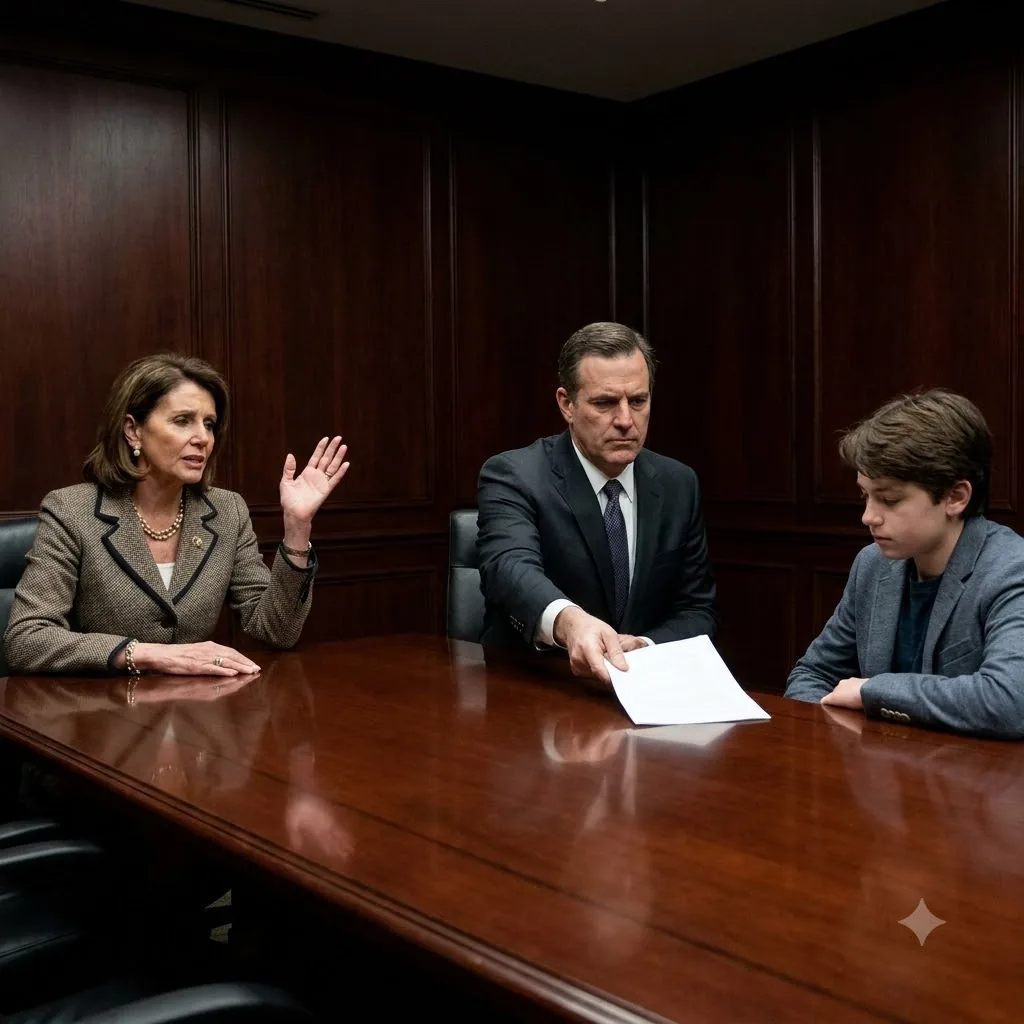
The fluorescent lights of the windowless mediation room hummed an aggressive, relentless drone above Micah’s head. He sat perfectly still as Eleanor Vance shoved her iPad across the polished mahogany table, the screen displaying a high-resolution photo of her sprawling front lawn and its prominent, brightly colored “In This House We Believe” yard sign. Beside her, a man with a rigid jawline and a severely tailored charcoal suit placed a single, sharply folded piece of heavy stock paper on the table. The man pressed his index finger firmly onto the crease and began to slide it, millimeter by millimeter, directly toward Micah.
Eleanor tapped the iPad glass with a manicured fingernail. She adjusted her silk scarf, her voice echoing too loudly in the suffocating, stale air of the small room. She informed the mediator that her lawsuit to halt the construction of the new youth shelter had absolutely nothing to do with prejudice. She pointed at the digital yard sign again, insisting that her track record of supporting progressive causes was literally staked into her prized Kentucky bluegrass. She claimed her resistance was strictly a matter of historical neighborhood character and overburdened municipal infrastructure.
Micah tried to focus on his own binders of zoning compliance documents and community impact studies, but the heat in the room felt oppressive. The ventilation system had seemingly died hours ago, leaving behind a sterile scent of floor wax and stale coffee. His attention kept snapping back to the silent co-plaintiff. The man in the charcoal suit had not introduced himself when they entered the room. He possessed a grim, immovable posture, sitting with his shoulders perfectly squared and his chin parallel to the floor. The heavy stock paper continued its agonizingly slow journey across the wood grain. The man never looked at the mediator. He never looked at Eleanor. His pale, unblinking eyes remained locked entirely on Micah.
Eleanor swiped to another photo, this one showing a community garden she allegedly funded. She stated that her heart bled for the displaced adolescents Micah was attempting to house. She leaned forward, resting her elbows on the table, and declared that a commercial zone near the industrial park was simply far more suitable for that demographic than the vacant lot adjacent to her cul-de-sac. The mediator nodded diplomatically, scribbling notes on a yellow legal pad. Micah opened his mouth to cite the city ordinance regarding residential proximity to transit lines. He had prepared for a standard clash with a wealthy, out-of-touch neighborhood association president. He had not prepared for the suffocating dread radiating from the silent man across the table.
Before Micah could speak a single syllable, the man in the charcoal suit moved. He did not say a word. He simply lifted his left hand from his lap and raised a single finger, signaling Eleanor to stop talking.
The wealthy homeowner snapped her mouth shut instantly. Her previous bravado vanished into thin air. She looked down at her lap, her posture shrinking as she pulled her silk scarf tight around her neck. The sudden, absolute submission was jarring. Micah stared at the man, realizing with a cold, sickening rush of adrenaline that Eleanor Vance was not the one driving this lawsuit. She was merely the polished, acceptable face of it.
The man tapped the folded paper twice. It now sat exactly on the centerline of the table, inches from Micah’s hands. The harsh overhead lights caught the sharp edge of the crease. Micah’s pulse drummed violently in his ears. The air in the room felt entirely depleted of oxygen. He looked at his own attorney, who offered a confused, hesitant gesture toward the paper.
Micah reached out. His fingers brushed the thick, textured parchment. It felt heavy, expensive. He pulled it closer and flipped open the fold.
The image inside was hand-drawn in a harsh, jagged black ink. It was not a legal threat, a settlement offer, or a list of zoning demands. It was a highly specific architectural sketch of a building Micah had not seen since he was a teenager. A distinct, deeply unsettling emblem was scrawled aggressively across the front doors of the sketched structure. A heavy, crushing pressure seized Micah’s chest as he stared at the familiar, terrifying handwriting filling the margins below the drawing. The looping letters detailed an exact schedule of his daily movements over the past three weeks.
The man in the charcoal suit leaned forward, placing his forearms flat against the mahogany table as a slow, deliberate smile finally broke his stony expression, just as the heavy oak door to the mediation room violently clicked open behind them.
The fluorescent lights of the windowless mediation room hummed an aggressive, relentless drone above Micah’s head. He sat perfectly still as Eleanor Vance shoved her iPad across the polished mahogany table, the screen displaying a high-resolution photo of her sprawling front lawn and its prominent, brightly colored “In This House We Believe” yard sign. Beside her, a man with a rigid jawline and a severely tailored charcoal suit placed a single, sharply folded piece of heavy stock paper on the table. The man pressed his index finger firmly onto the crease and began to slide it, millimeter by millimeter, directly toward Micah.
Eleanor tapped the iPad glass with a manicured fingernail. She adjusted her silk scarf, her voice echoing too loudly in the suffocating, stale air of the small room. She informed the mediator that her lawsuit to halt the construction of the new youth shelter had absolutely nothing to do with prejudice. She pointed at the digital yard sign again, insisting that her track record of supporting progressive causes was literally staked into her prized Kentucky bluegrass. She claimed her resistance was strictly a matter of historical neighborhood character and overburdened municipal infrastructure.
Micah tried to focus on his own binders of zoning compliance documents and community impact studies, but the heat in the room felt oppressive. The ventilation system had seemingly died hours ago, leaving behind a sterile scent of floor wax and stale coffee. His attention kept snapping back to the silent co-plaintiff. The man in the charcoal suit had not introduced himself when they entered the room. He possessed a grim, immovable posture, sitting with his shoulders perfectly squared and his chin parallel to the floor. The heavy stock paper continued its agonizingly slow journey across the wood grain. The man never looked at the mediator. He never looked at Eleanor. His pale, unblinking eyes remained locked entirely on Micah.
Eleanor swiped to another photo, this one showing a community garden she allegedly funded. She stated that her heart bled for the displaced adolescents Micah was attempting to house. She leaned forward, resting her elbows on the table, and declared that a commercial zone near the industrial park was simply far more suitable for that demographic than the vacant lot adjacent to her cul-de-sac. The mediator nodded diplomatically, scribbling notes on a yellow legal pad. Micah opened his mouth to cite the city ordinance regarding residential proximity to transit lines. He had prepared for a standard clash with a wealthy, out-of-touch neighborhood association president. He had not prepared for the suffocating dread radiating from the silent man across the table.
Before Micah could speak a single syllable, the man in the charcoal suit moved. He did not say a word. He simply lifted his left hand from his lap and raised a single finger, signaling Eleanor to stop talking.
The wealthy homeowner snapped her mouth shut instantly. Her previous bravado vanished into thin air. She looked down at her lap, her posture shrinking as she pulled her silk scarf tight around her neck. The sudden, absolute submission was jarring. Micah stared at the man, realizing with a cold, sickening rush of adrenaline that Eleanor Vance was not the one driving this lawsuit. She was merely the polished, acceptable face of it.
The man tapped the folded paper twice. It now sat exactly on the centerline of the table, inches from Micah’s hands. The harsh overhead lights caught the sharp edge of the crease. Micah’s pulse drummed violently in his ears. The air in the room felt entirely depleted of oxygen. He looked at his own attorney, who offered a confused, hesitant gesture toward the paper.
Micah reached out. His fingers brushed the thick, textured parchment. It felt heavy, expensive. He pulled it closer and flipped open the fold.
The image inside was hand-drawn in a harsh, jagged black ink. It was not a legal threat, a settlement offer, or a list of zoning demands. It was a highly specific architectural sketch of a building Micah had not seen since he was a teenager. A distinct, deeply unsettling emblem was scrawled aggressively across the front doors of the sketched structure. A heavy, crushing pressure seized Micah’s chest as he stared at the familiar, terrifying handwriting filling the margins below the drawing. The looping letters detailed an exact schedule of his daily movements over the past three weeks.
The man in the charcoal suit leaned forward, placing his forearms flat against the mahogany table as a slow, deliberate smile finally broke his stony expression, just as the heavy oak door to the mediation room violently clicked open behind them.