Story code: ST-000108
Part 1: The Settlement Offer
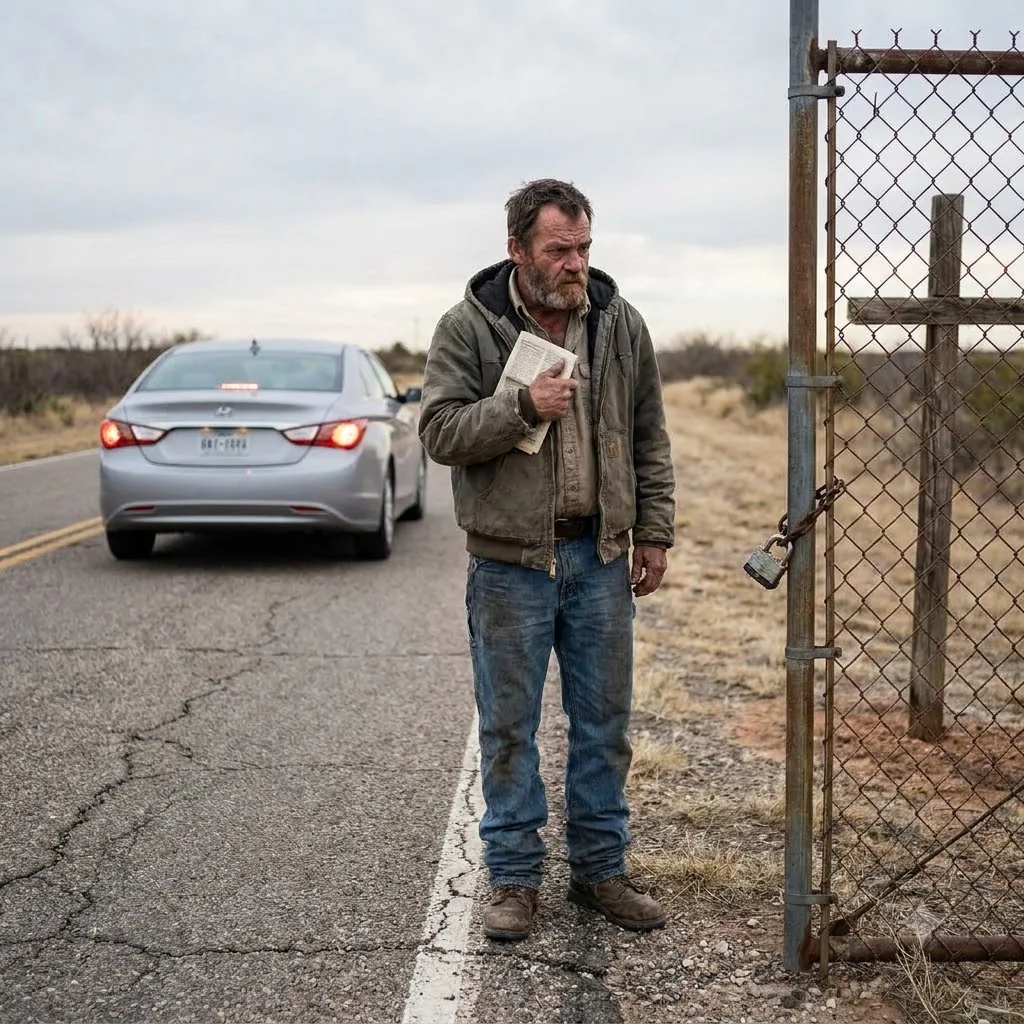
Jude shoved his key toward the heavy brass padlock on the firing range’s main gate, but the metal cylinder was sealed solid with a thick, gray blob of industrial epoxy. He yanked the chain, the metallic clatter echoing against the pine treeline, and noticed a yellow piece of paper stapled to a crude wooden cross driven into the dirt. It was a formal city noise-ordinance violation.
He stared at the hardened resin blocking the entrance to the business he had spent five years building. The anti-gun groups had protested out here before, setting up lawn chairs and holding painted signs near the highway turnoff. They usually chanted for a few hours, took their photos, and left before noon. This was a massive escalation. Someone had crossed the line from a civic nuisance to criminal vandalism. He reached into his jacket for his phone to call the county sheriff, but a sudden glint of sunlight catching on a windshield made him freeze.
Fifty yards down the gravel shoulder, partially obscured by overgrown blackberry bushes, a silver Lexus idled silently. The exhaust curled in a steady white plume into the crisp autumn air. Jude recognized the vanity plates immediately. It was Martha.
She had spent the last three months standing in front of cameras at crowded city council meetings, clutching tissues and leaning into the microphones. She was the grieving mother who had turned her personal tragedy into a relentless crusade, painting Jude’s outdoor range as a menace to the community’s safety. She had successfully mobilized the local homeowner associations, bullied the zoning board, and made it her absolute life’s mission to shut his facility down. Jude had assumed this morning’s vandalism was just another calculated stunt for the evening news, a way to provoke him into doing something reckless on camera.
Jude let the heavy, useless padlock drop against the metal gate. He marched down the shoulder, his heavy boots crunching loudly on the frost-covered gravel. He kept his hands completely visible, fully expecting her to speed off in a panic or pull out a smartphone to record him. The Lexus remained perfectly still. As he reached the driver’s side door, the tinted window slid down exactly two inches.
Martha sat behind the leather-wrapped steering wheel, her posture impossibly rigid. She wore a pristine beige wool coat buttoned all the way up to her chin. She did not look back at the sabotaged gate. She kept her eyes fixed straight ahead on the empty dirt road. She simply pushed a thick, cream-colored envelope through the narrow gap in the window.
“This is the final settlement offer,” Martha stated. Her voice was devoid of the weeping tremor she always used for the local news crews. It was flat, hollow, and commanding. “Sign it, and the zoning board campaign ends today.”
Jude stood by the door, studying her rigid profile. He took the heavy envelope from her gloved fingers. He expected a ridiculous list of operating hour restrictions, mandatory sound-baffling earth berms that would bankrupt him, or an insultingly low buyout price for the commercial land. He ripped the sealed flap open right there in the cold air, determined to reject the offer directly to her face.
He pulled out three pages of dense, staple-bound legal text. He flipped past the standard indemnification clauses on the first page, ignoring the boilerplate legal jargon. At the top of the second page, his thumb brushed over the “Party of the Second Part” definition.
He stopped breathing.
Printed in bold Arial font was a name. It was not the name printed on his state driver’s license. It was not the name on the corporate LLC that owned the property. It was not the name he had legally and publicly operated under for the last seven years. It was a name buried under thick layers of sealed court orders and distant, painful history. It was a name Martha had absolutely no logical or legal way of knowing.
His eyes darted down to the specific settlement stipulations printed below the terrifying header. There was no mention of decibel limits. There was no mention of firearm calibers, backstop heights, or lead reclamation protocols for the soil.
The first clause demanded his mandatory, weekly attendance at a specific private behavioral facility located on the far edge of the neighboring county. The second clause dictated strict, highly specific mandates regarding the length of his hair and his approved style of everyday dress. The third clause required the immediate surrender of all his digital passwords and personal communication devices to a newly formed, unnamed community oversight committee.
A cold sweat broke out along the back of his neck, chilling his skin despite the heavy jacket. This was never a zoning dispute. The noise complaints, the endless crying on television, the organized protests-none of it was actually about the firing range or public safety. The wooden cross hammered deep into the dirt by the front gate suddenly took on a massive, suffocating weight in his peripheral vision.
He grabbed the edge of the tinted glass to force the window down further. Martha immediately hit the control switch. The window slid upward with a harsh mechanical whine, trapping the tip of his leather glove. He yanked his hand back violently just before the glass sealed shut.
The Lexus shifted into gear. The rear tires spun aggressively, spraying sharp pieces of gravel against Jude’s shins as the heavy car accelerated toward the highway. He stood completely alone in the swirling dust, staring down at a meticulously drafted legal document designed to completely erase his existence.
Jude shoved his key toward the heavy brass padlock on the firing range’s main gate, but the metal cylinder was sealed solid with a thick, gray blob of industrial epoxy. He yanked the chain, the metallic clatter echoing against the pine treeline, and noticed a yellow piece of paper stapled to a crude wooden cross driven into the dirt. It was a formal city noise-ordinance violation.
He stared at the hardened resin blocking the entrance to the business he had spent five years building. The anti-gun groups had protested out here before, setting up lawn chairs and holding painted signs near the highway turnoff. They usually chanted for a few hours, took their photos, and left before noon. This was a massive escalation. Someone had crossed the line from a civic nuisance to criminal vandalism. He reached into his jacket for his phone to call the county sheriff, but a sudden glint of sunlight catching on a windshield made him freeze.
Fifty yards down the gravel shoulder, partially obscured by overgrown blackberry bushes, a silver Lexus idled silently. The exhaust curled in a steady white plume into the crisp autumn air. Jude recognized the vanity plates immediately. It was Martha.
She had spent the last three months standing in front of cameras at crowded city council meetings, clutching tissues and leaning into the microphones. She was the grieving mother who had turned her personal tragedy into a relentless crusade, painting Jude’s outdoor range as a menace to the community’s safety. She had successfully mobilized the local homeowner associations, bullied the zoning board, and made it her absolute life’s mission to shut his facility down. Jude had assumed this morning’s vandalism was just another calculated stunt for the evening news, a way to provoke him into doing something reckless on camera.
Jude let the heavy, useless padlock drop against the metal gate. He marched down the shoulder, his heavy boots crunching loudly on the frost-covered gravel. He kept his hands completely visible, fully expecting her to speed off in a panic or pull out a smartphone to record him. The Lexus remained perfectly still. As he reached the driver’s side door, the tinted window slid down exactly two inches.
Martha sat behind the leather-wrapped steering wheel, her posture impossibly rigid. She wore a pristine beige wool coat buttoned all the way up to her chin. She did not look back at the sabotaged gate. She kept her eyes fixed straight ahead on the empty dirt road. She simply pushed a thick, cream-colored envelope through the narrow gap in the window.
“This is the final settlement offer,” Martha stated. Her voice was devoid of the weeping tremor she always used for the local news crews. It was flat, hollow, and commanding. “Sign it, and the zoning board campaign ends today.”
Jude stood by the door, studying her rigid profile. He took the heavy envelope from her gloved fingers. He expected a ridiculous list of operating hour restrictions, mandatory sound-baffling earth berms that would bankrupt him, or an insultingly low buyout price for the commercial land. He ripped the sealed flap open right there in the cold air, determined to reject the offer directly to her face.
He pulled out three pages of dense, staple-bound legal text. He flipped past the standard indemnification clauses on the first page, ignoring the boilerplate legal jargon. At the top of the second page, his thumb brushed over the “Party of the Second Part” definition.
He stopped breathing.
Printed in bold Arial font was a name. It was not the name printed on his state driver’s license. It was not the name on the corporate LLC that owned the property. It was not the name he had legally and publicly operated under for the last seven years. It was a name buried under thick layers of sealed court orders and distant, painful history. It was a name Martha had absolutely no logical or legal way of knowing.
His eyes darted down to the specific settlement stipulations printed below the terrifying header. There was no mention of decibel limits. There was no mention of firearm calibers, backstop heights, or lead reclamation protocols for the soil.
The first clause demanded his mandatory, weekly attendance at a specific private behavioral facility located on the far edge of the neighboring county. The second clause dictated strict, highly specific mandates regarding the length of his hair and his approved style of everyday dress. The third clause required the immediate surrender of all his digital passwords and personal communication devices to a newly formed, unnamed community oversight committee.
A cold sweat broke out along the back of his neck, chilling his skin despite the heavy jacket. This was never a zoning dispute. The noise complaints, the endless crying on television, the organized protests-none of it was actually about the firing range or public safety. The wooden cross hammered deep into the dirt by the front gate suddenly took on a massive, suffocating weight in his peripheral vision.
He grabbed the edge of the tinted glass to force the window down further. Martha immediately hit the control switch. The window slid upward with a harsh mechanical whine, trapping the tip of his leather glove. He yanked his hand back violently just before the glass sealed shut.
The Lexus shifted into gear. The rear tires spun aggressively, spraying sharp pieces of gravel against Jude’s shins as the heavy car accelerated toward the highway. He stood completely alone in the swirling dust, staring down at a meticulously drafted legal document designed to completely erase his existence.