Story code: ST-000125
Part 1: The Ashes of the Narrative
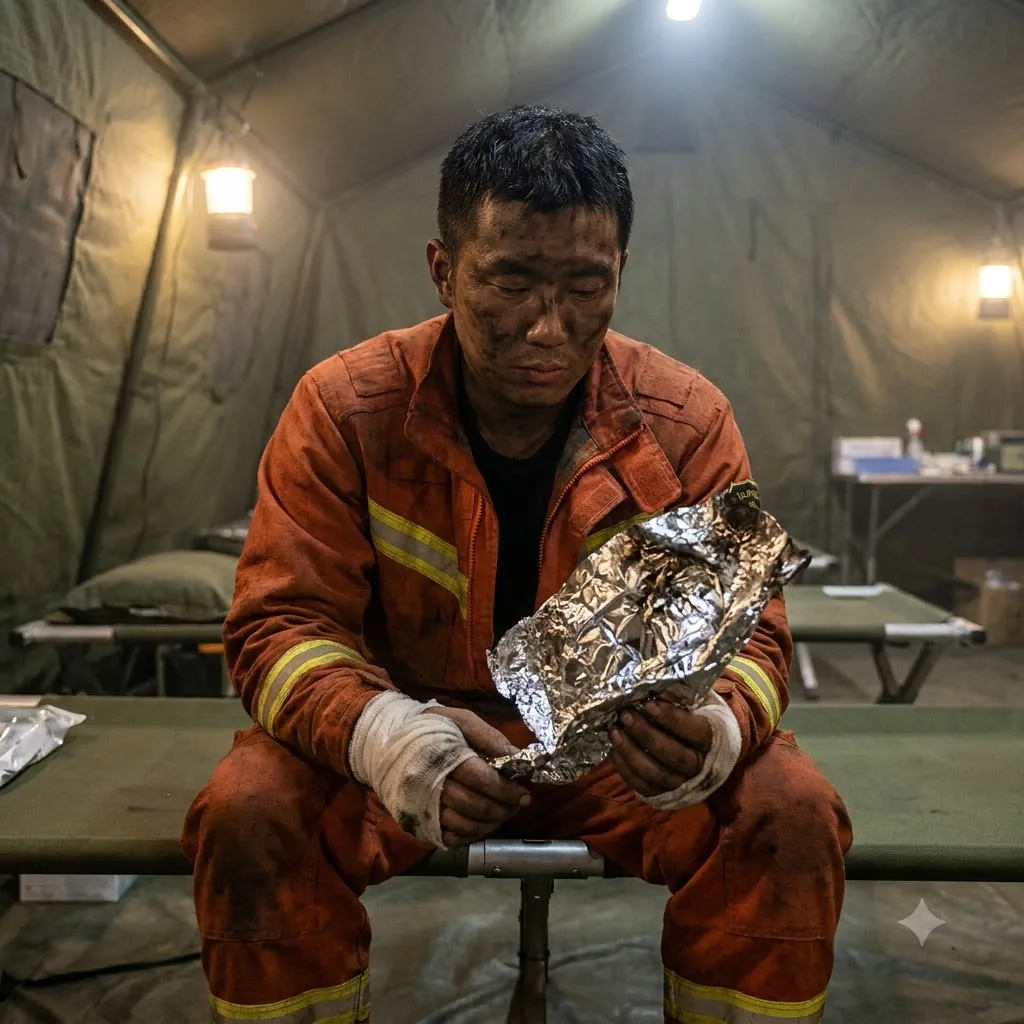
The high-pitched drone in Leo Vance’s ears refused to fade, competing only with the stiff, metallic crinkle of the object he kept crushed between his gauze-wrapped hands. He sat perfectly still on a canvas cot in the dim triage tent, staring at the ash-stained floorboards. His lungs burned with every shallow breath, smelling of scorched earth and sterile medical supplies.
Outside the thin canvas walls, camera shutters clicked in rapid succession, a sound like dry branches snapping. The heavy, booming voice of State Forestry Director Thorne drifted through the flaps, amplified by a portable PA system. Thorne was talking about heroism. He was talking about the unpredictable, devastating nature of sudden wind shifts. More than anything, Thorne was emphasizing the uncompromising quality of the state-issued safety gear. Thorne’s voice carried a practiced, solemn cadence, ensuring every reporter heard that the department had provided the absolute best protection available to the men on the line.
Leo tightened his grip on the rigid, deformed chunk of the fire shelter. A jagged piece of the manufacturer’s stamp remained visible on the unburned corner, pressing a sharp edge through the white gauze and into Leo’s blistered palm. The dull pain kept him anchored to the present. He ran his thumb over the melted seams. The foil layers had separated entirely, delaminating and crumbling under a wave of heat they were explicitly rated to withstand. It was not supposed to melt like cheap plastic.
Just three hours ago, the ridge had collapsed into a wall of orange flame. His crewmate, Miller, had deployed his shelter exactly by the book. Leo had watched him lock himself inside the silver cocoon as the firestorm rolled over their position. Now Miller was gone, loaded into a coroner’s van under a tarp, and Thorne was standing in the clean, cool air of the staging area, spinning a web of absolute fiction. The state had spared no expense, Thorne declared to the unseen crowd, shifting the blame entirely onto the cruelty of nature.
Leo shoved the brittle scrap of evidence deep into the front pocket of his soot-stained Nomex trousers. He folded his bandaged hands back into his lap just as the press conference concluded. A smattering of applause and the scuffling of boots signaled the reporters moving toward the catering tables.
The canvas flap pushed aside. The blinding afternoon sun pierced the gloom for a fraction of a second before the flap dropped shut. Director Thorne stood inside the tent.
The sudden silence in the enclosed space felt suffocating. Thorne was impeccably dressed in a crisp green uniform, the brass on his collar catching the single battery-powered overhead bulb. There was no soot on his boots. He did not look like a man mourning a fallen firefighter. He looked like an executive managing a public relations crisis. Two corrections officers moved into position just outside the canvas, their shadows stretching across the tent wall. A burst of static from their two-way radios served as a harsh reminder of Leo’s status. Leo was an inmate, leased to the fire lines for two dollars a day. He had no union, no spokesperson, and no power.
Thorne pulled up a metal folding chair. He placed it deliberately close to the cot and sat down. He stared at Leo’s bandaged hands, then moved his gaze up to Leo’s eyes. Thorne’s expression was completely flat, entirely devoid of the sympathetic warmth he had just projected to the news anchors.
Thorne leaned forward, resting his forearms on his knees. He spoke in a low, measured tone, noting that Leo had demonstrated remarkable composure on the ridge. Thorne let that statement hang in the stagnant air before mentioning the upcoming parole hearings. The director explained that the board relied heavily on his personal evaluations when reviewing inmate firefighters. He made it clear that he looked favorably upon men who understood the value of moving forward, men who recognized that tragic, unavoidable accidents were simply part of the job.
Leo remained perfectly silent, his jaw clenched tight. The word unavoidable echoed in his ringing ears. He kept his hands resting defensively over his lap.
Thorne’s eyes drifted downward. His gaze locked onto the sharp, unnatural outline of the rigid object pressing against the fabric of Leo’s front pocket. The director’s posture stiffened. The calculated calmness in his demeanor vanished, replaced by a cold, predatory stillness.
Thorne slowly extended a clean, unblemished hand, palm up, into the space between them. The director leaned closer, his voice dropping to a harsh whisper, instructing Leo to hand over the debris in his pocket so the department could permanently close the book on Miller.
The high-pitched drone in Leo Vance’s ears refused to fade, competing only with the stiff, metallic crinkle of the object he kept crushed between his gauze-wrapped hands. He sat perfectly still on a canvas cot in the dim triage tent, staring at the ash-stained floorboards. His lungs burned with every shallow breath, smelling of scorched earth and sterile medical supplies.
Outside the thin canvas walls, camera shutters clicked in rapid succession, a sound like dry branches snapping. The heavy, booming voice of State Forestry Director Thorne drifted through the flaps, amplified by a portable PA system. Thorne was talking about heroism. He was talking about the unpredictable, devastating nature of sudden wind shifts. More than anything, Thorne was emphasizing the uncompromising quality of the state-issued safety gear. Thorne’s voice carried a practiced, solemn cadence, ensuring every reporter heard that the department had provided the absolute best protection available to the men on the line.
Leo tightened his grip on the rigid, deformed chunk of the fire shelter. A jagged piece of the manufacturer’s stamp remained visible on the unburned corner, pressing a sharp edge through the white gauze and into Leo’s blistered palm. The dull pain kept him anchored to the present. He ran his thumb over the melted seams. The foil layers had separated entirely, delaminating and crumbling under a wave of heat they were explicitly rated to withstand. It was not supposed to melt like cheap plastic.
Just three hours ago, the ridge had collapsed into a wall of orange flame. His crewmate, Miller, had deployed his shelter exactly by the book. Leo had watched him lock himself inside the silver cocoon as the firestorm rolled over their position. Now Miller was gone, loaded into a coroner’s van under a tarp, and Thorne was standing in the clean, cool air of the staging area, spinning a web of absolute fiction. The state had spared no expense, Thorne declared to the unseen crowd, shifting the blame entirely onto the cruelty of nature.
Leo shoved the brittle scrap of evidence deep into the front pocket of his soot-stained Nomex trousers. He folded his bandaged hands back into his lap just as the press conference concluded. A smattering of applause and the scuffling of boots signaled the reporters moving toward the catering tables.
The canvas flap pushed aside. The blinding afternoon sun pierced the gloom for a fraction of a second before the flap dropped shut. Director Thorne stood inside the tent.
The sudden silence in the enclosed space felt suffocating. Thorne was impeccably dressed in a crisp green uniform, the brass on his collar catching the single battery-powered overhead bulb. There was no soot on his boots. He did not look like a man mourning a fallen firefighter. He looked like an executive managing a public relations crisis. Two corrections officers moved into position just outside the canvas, their shadows stretching across the tent wall. A burst of static from their two-way radios served as a harsh reminder of Leo’s status. Leo was an inmate, leased to the fire lines for two dollars a day. He had no union, no spokesperson, and no power.
Thorne pulled up a metal folding chair. He placed it deliberately close to the cot and sat down. He stared at Leo’s bandaged hands, then moved his gaze up to Leo’s eyes. Thorne’s expression was completely flat, entirely devoid of the sympathetic warmth he had just projected to the news anchors.
Thorne leaned forward, resting his forearms on his knees. He spoke in a low, measured tone, noting that Leo had demonstrated remarkable composure on the ridge. Thorne let that statement hang in the stagnant air before mentioning the upcoming parole hearings. The director explained that the board relied heavily on his personal evaluations when reviewing inmate firefighters. He made it clear that he looked favorably upon men who understood the value of moving forward, men who recognized that tragic, unavoidable accidents were simply part of the job.
Leo remained perfectly silent, his jaw clenched tight. The word unavoidable echoed in his ringing ears. He kept his hands resting defensively over his lap.
Thorne’s eyes drifted downward. His gaze locked onto the sharp, unnatural outline of the rigid object pressing against the fabric of Leo’s front pocket. The director’s posture stiffened. The calculated calmness in his demeanor vanished, replaced by a cold, predatory stillness.
Thorne slowly extended a clean, unblemished hand, palm up, into the space between them. The director leaned closer, his voice dropping to a harsh whisper, instructing Leo to hand over the debris in his pocket so the department could permanently close the book on Miller.