Story code: ST-000153
Part 1: The Administrative Hold
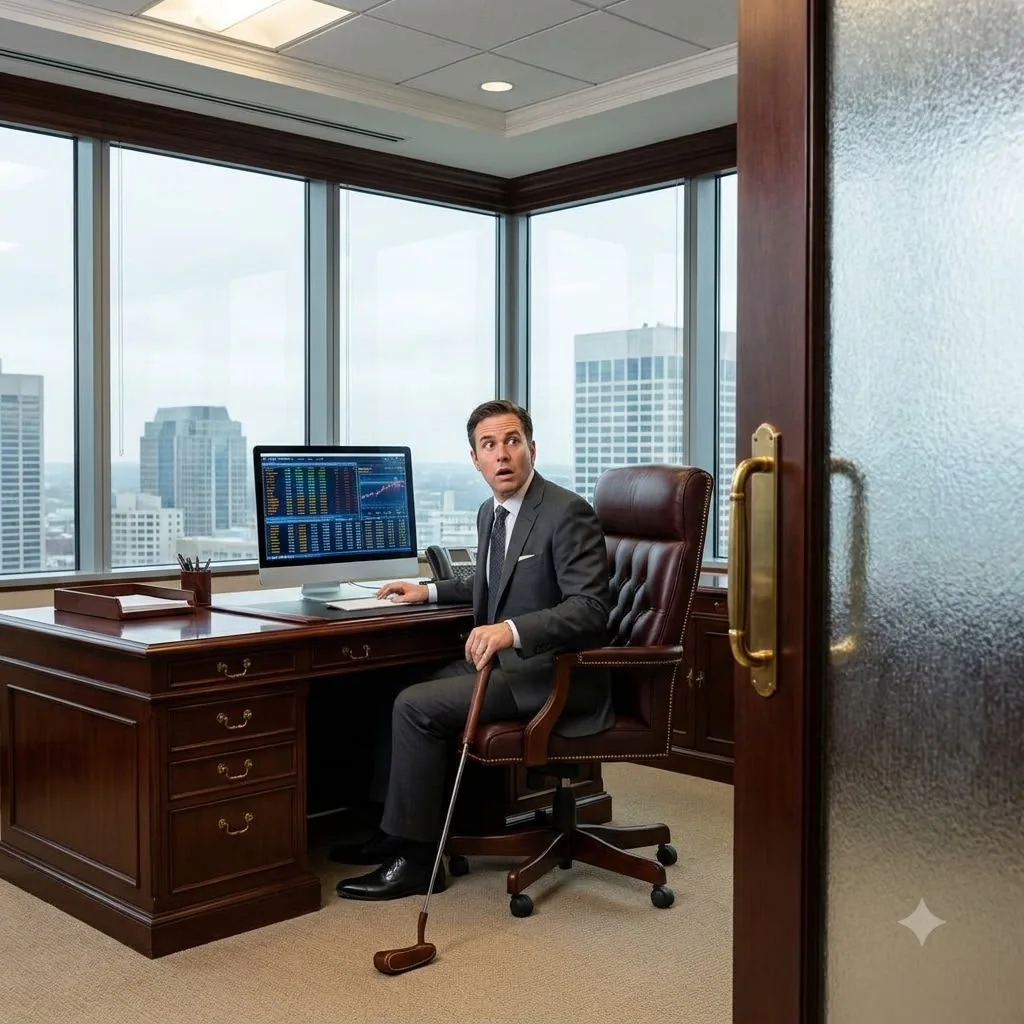
Julian Vance clicked the red *Pending Review* button on File 884, satisfied as the massive compensation claim vanished into the Department of Defense system’s indefinite holding queue. He adjusted his silk tie in the dark reflection of his secondary monitor, taking a moment to appreciate the pristine, humming quiet of his Arlington office at four forty-five on a Friday afternoon. The leather of his executive chair squeaked softly as he leaned back. His desk was immaculate, cleared of all paper, smelling faintly of lemon polish and expensive cologne.
The key metric for today’s delay was elegantly simple. Julian had built a sorting macro that flagged specific veteran claims based on one crucial data point, which was the total absence of emergency contacts.
If a claimant had no spouse, no surviving children, and no designated proxy, they had absolutely no one to call a congressman when the bureaucracy stalled their payments. Julian pulled up his master spreadsheet, reviewing the thirty-two files he had quietly suffocated this month. They were all similar cases. Elderly or heavily afflicted, highly isolated, and requiring extensive, multi-million-dollar medical payouts. Delaying them indefinitely saved the department massive amounts of capital. The math was clean. It was purely an exercise in administrative efficiency.
He wiped an invisible speck of dust from his mahogany desk. File 884 belonged to a former Marine named Elias Thorne. The man had submitted an expedited review for severe toxic exposure, attaching hundreds of pages of medical diagnoses that Julian had completely ignored. Julian had simply noted the blank space under the next-of-kin category, applied Administrative Hold Code 44, and pushed the file to the bottom of the digital abyss. Thorne’s biological clock was running out, and Julian’s quarterly performance metrics were looking exceptional.
Closing his laptop, Julian stood up and stretched his legs. Outside his twelfth-floor window, the late afternoon traffic on the interstate was already thickening into a slow, red-lit crawl. He had a dinner reservation in Georgetown at seven, followed by a weekend trip to a secluded cabin in the Shenandoah Valley. He carefully slid his silver pen into its velvet sleeve and locked his top drawer. He retrieved his heavy cashmere overcoat from the brass stand in the corner, enjoying the soft friction of the expensive fabric against his suit jacket.
He reached for the handle of his leather briefcase.
The intercom on his desk buzzed loudly.
Julian froze, his fingers hovering inches from the leather handle. The sound was a harsh, mechanical grating that deeply violated the controlled silence of his workspace. It was completely unprecedented for the front desk to ring him directly, especially this late on a Friday when the administrative staff usually began packing up. He stared at the flashing amber button on the console. He considered ignoring it, noting that he was technically off the clock in exactly three minutes.
The buzzer sounded again, longer and more insistent this time.
Julian let out a sharp breath of irritation. He leaned over the polished wood and pressed the amber button.
“Vance speaking.”
“Mr. Vance.” It was Sarah from the ground-floor security lobby. Her voice was thin, vibrating with a breathless, frantic energy that immediately made Julian’s stomach tighten. “Mr. Vance, you need to lock your door.”
Julian stood perfectly still. He stared at the tiny mesh speaker of the intercom.
“There is a man here,” Sarah said, the audio clipping harshly as she pressed her mouth too close to the microphone. “He just walked right past the primary turnstiles. The guards are on the floor. Both of them. He has something heavy in his hands, Mr. Vance.”
Julian lowered his hand from his briefcase. He turned to look at the heavy oak door of his office.
“Sarah, calm down and tell me exactly who is in the lobby,” Julian instructed, keeping his tone flat and authoritative.
“He threw a manila folder at the bulletproof glass,” Sarah stammered, her breathing loud and ragged through the speaker. “It has your full name printed on it in red ink. He says he is Elias Thorne. He says his file number is eight eight four.”
A cold spike of adrenaline slammed into Julian’s chest. File 884 was supposed to be nothing more than a digital ghost. The algorithm targeted men who were bedridden, decaying in VA hospitals a thousand miles away, utterly incapable of fighting back. Elias Thorne was absolutely not supposed to be standing in the Arlington building.
“Call the local authorities immediately,” Julian ordered.
“I pressed the panic button,” Sarah whispered. The background noise on her end shifted dramatically. The dull, ambient hum of the lobby was suddenly replaced by heavy, echoing footsteps. It was the distinct, rhythmic thud of steel-toed boots advancing across the polished marble floor.
“He is looking at the directory,” Sarah gasped, her voice dropping to a terrified squeak. “He is looking right at the twelfth-floor listing for your suite.”
A deafening crash erupted through the small desk speaker, followed by the terrifying sound of thick glass splintering and giving way. Sarah let out a sharp, abbreviated cry before the intercom line went completely dead.
Julian stared at the silent, unblinking red light on his console. He backed away from his desk, his polished shoes sinking into the plush carpet. The heavy oak door of his office suddenly looked incredibly fragile.
Out in the quiet, empty hallway of the twelfth floor, the elevator chime sounded with a cheerful, melodic ping.
Julian Vance clicked the red *Pending Review* button on File 884, satisfied as the massive compensation claim vanished into the Department of Defense system’s indefinite holding queue. He adjusted his silk tie in the dark reflection of his secondary monitor, taking a moment to appreciate the pristine, humming quiet of his Arlington office at four forty-five on a Friday afternoon. The leather of his executive chair squeaked softly as he leaned back. His desk was immaculate, cleared of all paper, smelling faintly of lemon polish and expensive cologne.
The key metric for today’s delay was elegantly simple. Julian had built a sorting macro that flagged specific veteran claims based on one crucial data point, which was the total absence of emergency contacts.
If a claimant had no spouse, no surviving children, and no designated proxy, they had absolutely no one to call a congressman when the bureaucracy stalled their payments. Julian pulled up his master spreadsheet, reviewing the thirty-two files he had quietly suffocated this month. They were all similar cases. Elderly or heavily afflicted, highly isolated, and requiring extensive, multi-million-dollar medical payouts. Delaying them indefinitely saved the department massive amounts of capital. The math was clean. It was purely an exercise in administrative efficiency.
He wiped an invisible speck of dust from his mahogany desk. File 884 belonged to a former Marine named Elias Thorne. The man had submitted an expedited review for severe toxic exposure, attaching hundreds of pages of medical diagnoses that Julian had completely ignored. Julian had simply noted the blank space under the next-of-kin category, applied Administrative Hold Code 44, and pushed the file to the bottom of the digital abyss. Thorne’s biological clock was running out, and Julian’s quarterly performance metrics were looking exceptional.
Closing his laptop, Julian stood up and stretched his legs. Outside his twelfth-floor window, the late afternoon traffic on the interstate was already thickening into a slow, red-lit crawl. He had a dinner reservation in Georgetown at seven, followed by a weekend trip to a secluded cabin in the Shenandoah Valley. He carefully slid his silver pen into its velvet sleeve and locked his top drawer. He retrieved his heavy cashmere overcoat from the brass stand in the corner, enjoying the soft friction of the expensive fabric against his suit jacket.
He reached for the handle of his leather briefcase.
The intercom on his desk buzzed loudly.
Julian froze, his fingers hovering inches from the leather handle. The sound was a harsh, mechanical grating that deeply violated the controlled silence of his workspace. It was completely unprecedented for the front desk to ring him directly, especially this late on a Friday when the administrative staff usually began packing up. He stared at the flashing amber button on the console. He considered ignoring it, noting that he was technically off the clock in exactly three minutes.
The buzzer sounded again, longer and more insistent this time.
Julian let out a sharp breath of irritation. He leaned over the polished wood and pressed the amber button.
“Vance speaking.”
“Mr. Vance.” It was Sarah from the ground-floor security lobby. Her voice was thin, vibrating with a breathless, frantic energy that immediately made Julian’s stomach tighten. “Mr. Vance, you need to lock your door.”
Julian stood perfectly still. He stared at the tiny mesh speaker of the intercom.
“There is a man here,” Sarah said, the audio clipping harshly as she pressed her mouth too close to the microphone. “He just walked right past the primary turnstiles. The guards are on the floor. Both of them. He has something heavy in his hands, Mr. Vance.”
Julian lowered his hand from his briefcase. He turned to look at the heavy oak door of his office.
“Sarah, calm down and tell me exactly who is in the lobby,” Julian instructed, keeping his tone flat and authoritative.
“He threw a manila folder at the bulletproof glass,” Sarah stammered, her breathing loud and ragged through the speaker. “It has your full name printed on it in red ink. He says he is Elias Thorne. He says his file number is eight eight four.”
A cold spike of adrenaline slammed into Julian’s chest. File 884 was supposed to be nothing more than a digital ghost. The algorithm targeted men who were bedridden, decaying in VA hospitals a thousand miles away, utterly incapable of fighting back. Elias Thorne was absolutely not supposed to be standing in the Arlington building.
“Call the local authorities immediately,” Julian ordered.
“I pressed the panic button,” Sarah whispered. The background noise on her end shifted dramatically. The dull, ambient hum of the lobby was suddenly replaced by heavy, echoing footsteps. It was the distinct, rhythmic thud of steel-toed boots advancing across the polished marble floor.
“He is looking at the directory,” Sarah gasped, her voice dropping to a terrified squeak. “He is looking right at the twelfth-floor listing for your suite.”
A deafening crash erupted through the small desk speaker, followed by the terrifying sound of thick glass splintering and giving way. Sarah let out a sharp, abbreviated cry before the intercom line went completely dead.
Julian stared at the silent, unblinking red light on his console. He backed away from his desk, his polished shoes sinking into the plush carpet. The heavy oak door of his office suddenly looked incredibly fragile.
Out in the quiet, empty hallway of the twelfth floor, the elevator chime sounded with a cheerful, melodic ping.