Story code: ST-000160
Part 1: The Hallway Demand
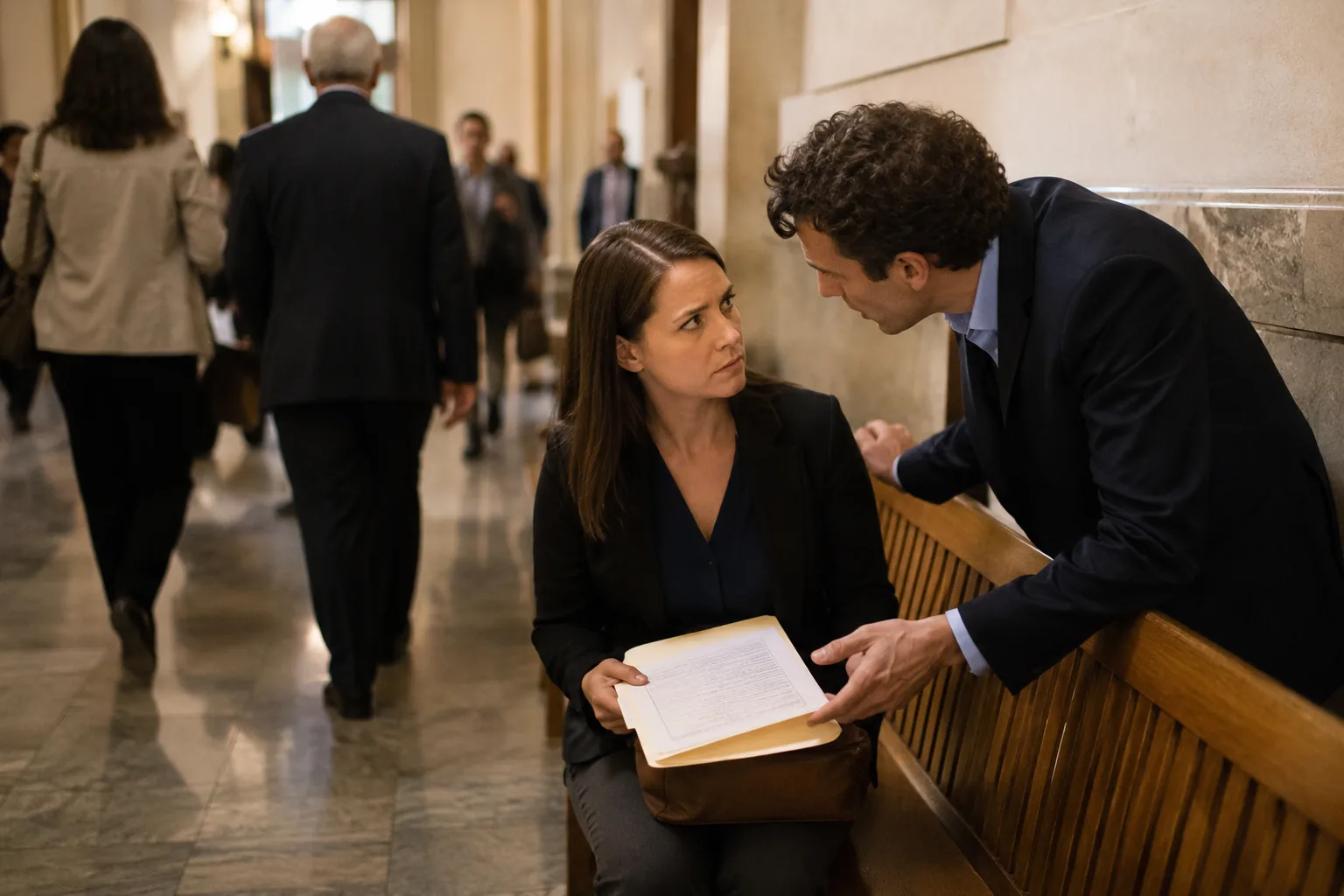
Sitting on a hard wooden bench in the county probate court hallway while the morning crowd muttered and shuffled past, my cousin Julian leaned over me and demanded I sign away my entire inheritance to repay him. As the estate executor, he held a waiver in one hand and tapped his pen against it, reciting the fifteen thousand dollars he claimed he spent to save me from medical debt two years ago. I clutched my grandfather’s varnished mahogany keepsake box to my chest, trapped by a debt I had never agreed to, while Julian used his role to force a choice before our case was called. The hallway hummed with the quiet drone of lawyers in dark suits and families speaking in hushed tones. The terrazzo floor reflected the harsh fluorescent lights overhead. Julian adjusted his cuffs, his face set in a practiced expression of familial concern. ‘I did what anyone in the family should have done, Sarah,’ Julian said, his voice barely louder than a whisper, yet sharp enough to command attention. ‘When the hospital bills piled up after your surgery, I paid them. I kept the collection agencies from ruining your credit and taking your car. I did not ask for a promissory note then because we are family. But now that Grandfather has passed and the estate is being distributed, it is only fair that the ledger is balanced. This waiver simply diverts your portion of the inheritance to cover that outstanding balance.’ He slid the white document onto the bench next to me. The paper was clean, bearing the court’s official probate header and a line at the bottom for my signature. Beside it, he laid a heavy black ballpoint pen. I looked down at the mahogany keepsake box in my lap. Its varnished surface was worn at the edges, catching the light with a dull, amber sheen. The brass clasp was tarnished and slightly loose. This box was the only physical item Grandfather had left directly to me, handed over by his hospice nurse on his final morning. Julian had dismissed it as sentimental clutter, focusing his attention instead on the deed to the suburban house and the balances of the primary bank accounts. Now, he stood over me, his shadow blocking the light from the tall hallway windows. ‘The court clerk is going to call our names in twenty minutes,’ Julian said, checking his watch. ‘If we do not submit the signed waiver to the probate attorney before the hearing, the entire distribution will be held up. The rest of the family will have to wait, all because you are refusing to settle a personal debt. I saved you from financial ruin, Sarah. The least you can do now is show some responsibility.’ My thumb traced the bottom edge of the wooden box, where a small piece of heavy adhesive tape held a flat brass key flat against the wood. I peeled the tape back slowly, the sound lost in the ambient noise of the hallway. I slid the key into the small lock on the front of the box. The mechanism turned with a heavy, dry click. I lifted the lid. Inside lay a few old pocket watches, a stack of faded letters tied with string, and a thick, leather-bound book. It was Grandfather’s trust bank ledger, a private record he had kept meticulously by hand for decades. Julian leaned closer, his eyes shifting from the document in his hand to the contents of the box. He reached out as if to close the lid, but I blocked his hand with my forearm, keeping the box open. I pulled the leather-bound book out, placing it flat on top of the legal waiver he had laid on the bench. My fingers flipped through the pages, navigating past the entries from three years ago, then four, until I reached the exact date of my emergency surgery. My eyes scanned the lines of Grandfather’s neat cursive. There, listed on the exact day Julian claimed to have spent his own savings to pay my hospital bill, was an entry that made my hand freeze. The debt chain, and the entire story of who had saved whom, began to reverse.
Sitting on a hard wooden bench in the county probate court hallway while the morning crowd muttered and shuffled past, my cousin Julian leaned over me and demanded I sign away my entire inheritance to repay him. As the estate executor, he held a waiver in one hand and tapped his pen against it, reciting the fifteen thousand dollars he claimed he spent to save me from medical debt two years ago. I clutched my grandfather’s varnished mahogany keepsake box to my chest, trapped by a debt I had never agreed to, while Julian used his role to force a choice before our case was called. The hallway hummed with the quiet drone of lawyers in dark suits and families speaking in hushed tones. The terrazzo floor reflected the harsh fluorescent lights overhead. Julian adjusted his cuffs, his face set in a practiced expression of familial concern. ‘I did what anyone in the family should have done, Sarah,’ Julian said, his voice barely louder than a whisper, yet sharp enough to command attention. ‘When the hospital bills piled up after your surgery, I paid them. I kept the collection agencies from ruining your credit and taking your car. I did not ask for a promissory note then because we are family. But now that Grandfather has passed and the estate is being distributed, it is only fair that the ledger is balanced. This waiver simply diverts your portion of the inheritance to cover that outstanding balance.’ He slid the white document onto the bench next to me. The paper was clean, bearing the court’s official probate header and a line at the bottom for my signature. Beside it, he laid a heavy black ballpoint pen. I looked down at the mahogany keepsake box in my lap. Its varnished surface was worn at the edges, catching the light with a dull, amber sheen. The brass clasp was tarnished and slightly loose. This box was the only physical item Grandfather had left directly to me, handed over by his hospice nurse on his final morning. Julian had dismissed it as sentimental clutter, focusing his attention instead on the deed to the suburban house and the balances of the primary bank accounts. Now, he stood over me, his shadow blocking the light from the tall hallway windows. ‘The court clerk is going to call our names in twenty minutes,’ Julian said, checking his watch. ‘If we do not submit the signed waiver to the probate attorney before the hearing, the entire distribution will be held up. The rest of the family will have to wait, all because you are refusing to settle a personal debt. I saved you from financial ruin, Sarah. The least you can do now is show some responsibility.’ My thumb traced the bottom edge of the wooden box, where a small piece of heavy adhesive tape held a flat brass key flat against the wood. I peeled the tape back slowly, the sound lost in the ambient noise of the hallway. I slid the key into the small lock on the front of the box. The mechanism turned with a heavy, dry click. I lifted the lid. Inside lay a few old pocket watches, a stack of faded letters tied with string, and a thick, leather-bound book. It was Grandfather’s trust bank ledger, a private record he had kept meticulously by hand for decades. Julian leaned closer, his eyes shifting from the document in his hand to the contents of the box. He reached out as if to close the lid, but I blocked his hand with my forearm, keeping the box open. I pulled the leather-bound book out, placing it flat on top of the legal waiver he had laid on the bench. My fingers flipped through the pages, navigating past the entries from three years ago, then four, until I reached the exact date of my emergency surgery. My eyes scanned the lines of Grandfather’s neat cursive. There, listed on the exact day Julian claimed to have spent his own savings to pay my hospital bill, was an entry that made my hand freeze. The debt chain, and the entire story of who had saved whom, began to reverse.