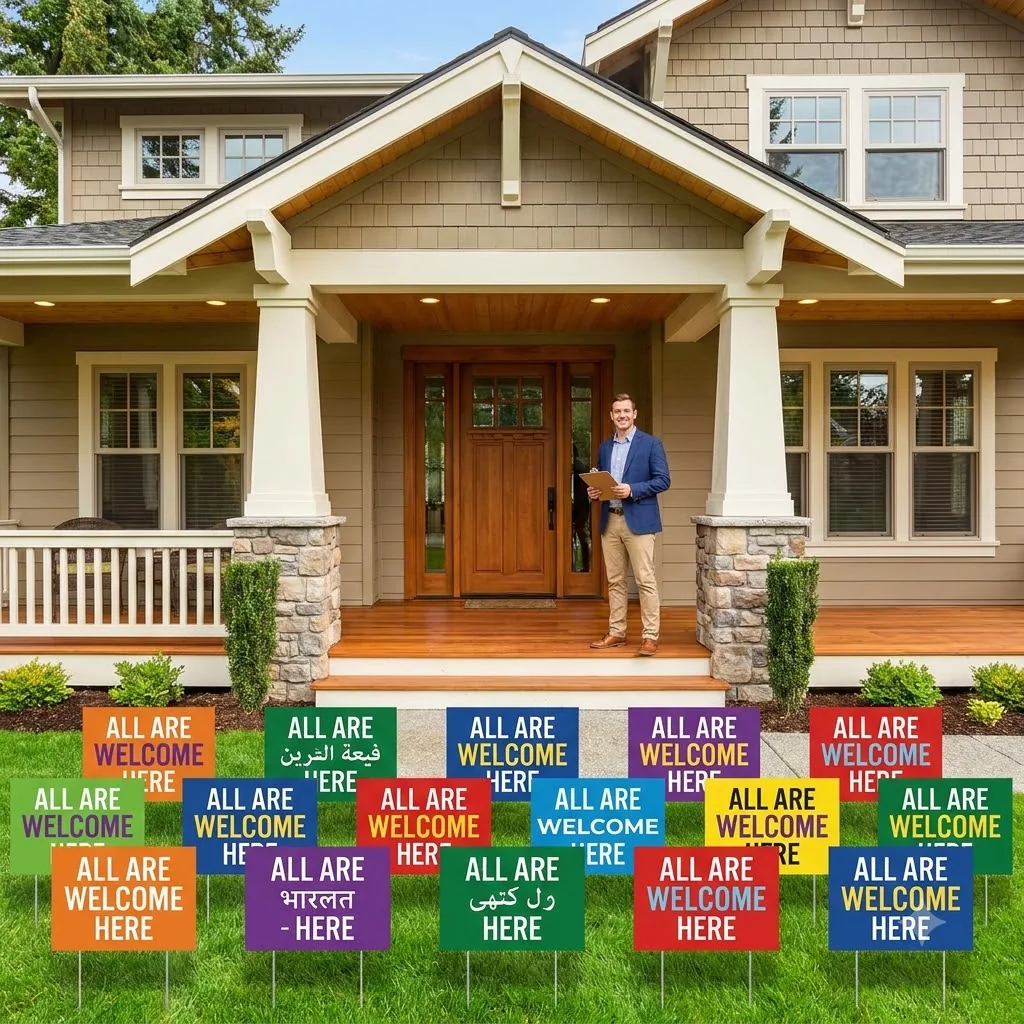
Story code: ST-000266
Part 2: Weaponized Empathy
Marcus stared at the manicured nail resting against the word *halt*. The kitchen suddenly felt suffocatingly hot, the sterile skylight glare burning into his retinas. He dragged his gaze away from her perfectly buffed fingernail to the dense block of text beneath it. He blinked, hoping the legal jargon might magically rearrange itself into the standard, one-page boilerplate approval he needed. It didn’t. The clause outlined a mandatory, multi-phase community feedback loop that would require another six months of town hall meetings before a single piece of heavy machinery could touch the dirt.
Marcus found his voice, though it sounded dangerously thin in the cavernous, sunlit kitchen. He explained that the state grant required ground to be broken by Friday. Any delay beyond the thirty-first meant the three million dollars in matching funds would instantly evaporate. He reminded her that she knew this; they had discussed the strict timeline at length during the last zoning board meeting.
Eliza sighed, a soft, theatrical exhalation of deep empathy. She poured herself a little more coffee, the steam rising like a veil between them. She murmured that systemic pacing was crucial, and that mindful integration couldn’t be rushed by arbitrary, bureaucratic deadlines set by people who didn’t understand the unique ecosystem of their neighborhood.
Marcus felt a cold sweat break out on the back of his neck. He reached out and grabbed a green plastic tab halfway through the massive binder, flipping a thick chunk of pages over. The bold heading read, *Comprehensive Solar Equity and Shadow Impact Analysis*. He scanned the dense text. The clause demanded a seasonal, year-long study to ensure the three-story affordable housing units wouldn’t cast shadows on the neighborhood’s heirloom community gardens.
He frantically flipped to a blue tab near the back. *Architectural Harmony Mandates*. The building materials for the low-income units now had to perfectly match the historic 1920s craftsman aesthetic of the surrounding affluent blocks. It demanded reclaimed wood sourcing, hand-fired brick facades, and custom copper gutter systems. Marcus did the math in his head, the numbers clashing violently. These minor addendums would easily triple the square-foot cost of the project. It would bankrupt the non-profit developer before they even poured the foundation.
He looked up at Eliza. She was sipping her artisanal roast, her expression radiating absolute, unbothered serenity. She wasn’t just blocking the housing project; she was suffocating it with a pillow made of weaponized progressive language. She had championed the project publicly to ensure the city handed over the final approval power to her steering committee, giving them the perfect bottleneck to quietly kill the development behind closed doors.
Marcus pushed the binder away, the heavy thud echoing off the quartz island. He told her flatly that this wasn’t a statement of support; it was a ransom note. He stated that the developer could never meet these demands, and that she knew it.
Eliza’s smile finally slipped, just a fraction, revealing something sharp and incredibly cold beneath her grandmotherly facade. She set her ceramic mug down on a cork coaster. She smoothly admitted that the steering committee had anticipated the non-profit developer might lack the resources to meet the neighborhood’s high standards for inclusive architecture.
She turned to a slim drawer built seamlessly into the quartz island, sliding it open with a soft metallic glide. She withdrew a thick, cream-colored envelope. It was sealed with a circle of deep crimson wax, pressed with an intricate floral stamp. She placed it onto the counter, sliding it precisely until it rested right next to the looming black binder.
Marcus stared at the envelope. It looked completely out of place in the sterile, modern kitchen, like a relic from a bygone era of secret treaties and backdoor negotiations. He asked what it was, his voice tight with rising dread.
Eliza kept her hands folded gently over her linen apron. She explained that it was a secondary option, a compromise drafted by the neighborhood’s private legal counsel. She told him that if the developer formally withdrew their application for the Cedar Grove site, the envelope contained a fully funded relocation package. The neighborhood association had pooled private equity to purchase an abandoned lot in the industrial district near the interstate. They would donate the land to the city, entirely free of charge, so the affordable housing could be built there instead.
Marcus felt a wave of nausea wash over him. The industrial district was a food desert, miles away from the well-funded schools, grocery stores, and public transit hubs that made the Cedar Grove location so vital for low-income families. Eliza and her wealthy neighbors were offering to pay millions out of pocket to redline the project out of their zip code, exiling the future residents to a polluted highway corridor while keeping their pristine lawns and their inclusive yard signs intact.
She tapped the crimson wax seal with her index finger. She warned him that opening the envelope constituted an agreement to bring the relocation offer to the mayor’s desk with his full recommendation as the lead city planner. If he refused to open it, the neighborhood association would file the black binder with the city clerk at dawn, tangling the Cedar Grove project in a decade of environmental lawsuits and historical preservation injunctions until the state funding bled dry.
Marcus was completely isolated. The mayor’s office was expecting a signed form by five o’clock today. If he walked out empty-handed, he would be blamed for losing the state grant. He stared at the four-inch-thick barricade of bureaucracy, then shifted his gaze to the elegant, toxic compromise sealed in red wax. His hand trembled as he reached across the cold quartz, his fingers hovering just millimeters above the heavy cream paper, trapped between a slow death by red tape and a swift, devastating betrayal of his own convictions.