Story code: ST-000266
Part 3: The Glare of the Projector
The harsh fluorescent lights of the municipal chambers hummed an aggressive buzz that vibrated in Marcus’s jaw. He stood behind the scuffed wooden podium, staring out at the packed room.
It was four-thirty. The emergency zoning board hearing was his final hurdle. Marcus’s hands rested on the podium, pressing into the cheap veneer. To his left sat the massive black binder. To his right, the cream-colored envelope, its crimson wax seal cleanly broken.
In the front row, Eliza sat with immaculate posture in a hand-knit cardigan, wearing a serene smile. She nodded encouragingly at Marcus, playing the benevolent community matriarch to perfection. The zoning board chair, a balding man named Henderson, leaned into his microphone. “Mr. Vance, the mayor’s office needs your department’s recommendation on the Cedar Grove parcel by five o’clock. Do we have the neighborhood association’s sign-off?”
Marcus looked at the broken wax seal. He had read the private equity agreement inside, offering three million dollars to shove the poorest families into a toxic corridor wedged between a rendering plant and a six-lane interstate. If he recommended it, he kept his job and secured the state funds. If he didn’t, the black binder would legally paralyze the city.
Marcus reached for his laptop resting on the podium and closed his standard presentation. The diplomatic bullet points about community collaboration vanished. He opened a different file, one he had built in a frantic, cold fury in the passenger seat of his sedan just twenty minutes prior.
“Mr. Vance?” Chairman Henderson prompted.
Marcus adjusted the gooseneck microphone. “I have the neighborhood association’s response,” he said, his voice remarkably steady despite the adrenaline. “But before I give my recommendation, the planning department needs to enter a visual addendum into the public record.”
He hit the spacebar. The massive projector screen behind the zoning board flared to life. Gasps echoed from the back rows as the image snapped into focus.
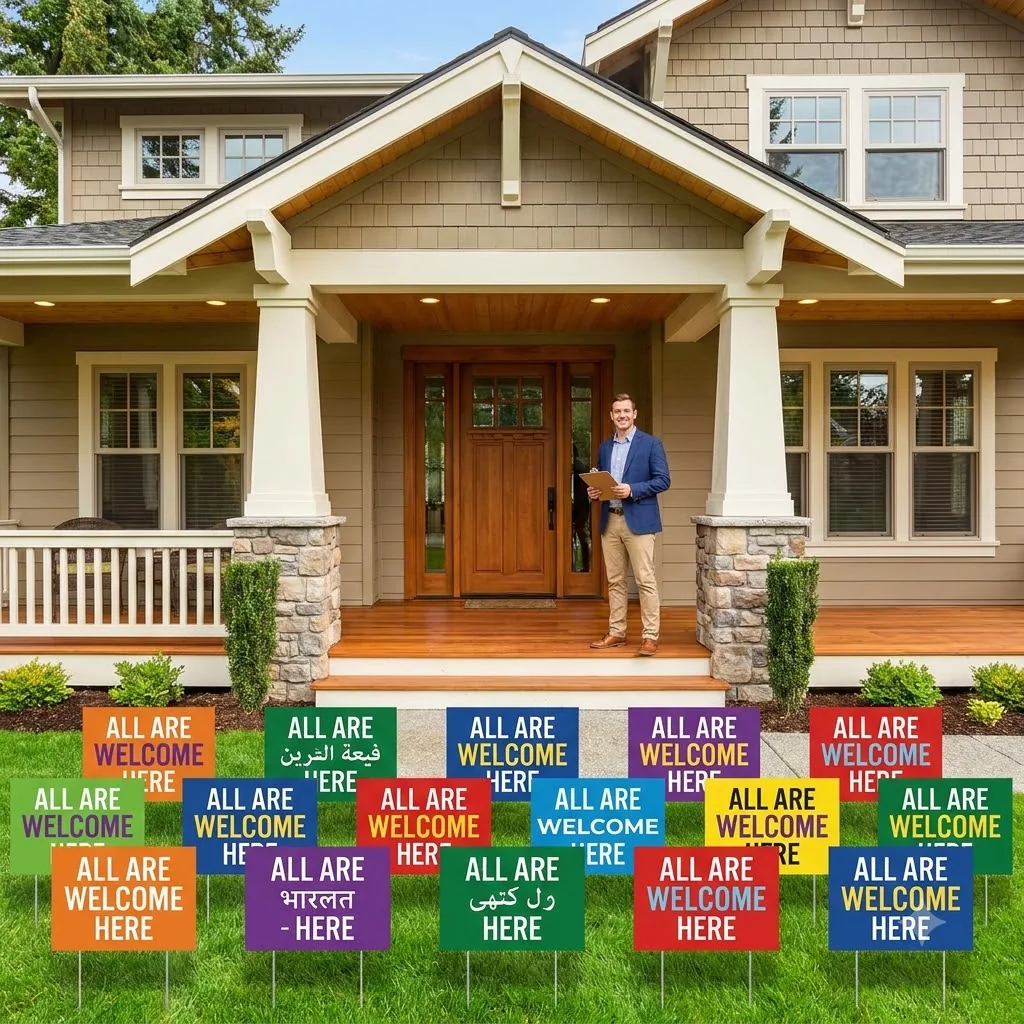
On the left side of the screen was a stark bar graph detailing the demographics of the two hundred families on the Cedar Grove waitlist-seventy percent single-parent households, ninety percent qualifying for reduced school lunches. On the right side was a high-resolution photograph Marcus had snapped that morning. It was Eliza’s pristine lawn. Aggressive blue hydrangeas framed her brightly painted yard signs: *All Are Welcome Here* and *Housing is a Human Right*.
Eliza’s serene smile faltered. “Excuse me, Chairman,” she called out, maintaining her airy, artisanal warmth. “I’m not sure what this display is meant to achieve, but our neighborhood’s commitment to equity is well documented.”
“It is documented,” Marcus agreed. He tapped the heavy black binder. “Right here. Four inches of mandatory environmental reviews and historical aesthetic mandates designed to bankrupt the development.”
The room went completely silent. Henderson blinked rapidly. “Mr. Vance, are you stating the association is blocking the grant?”
Marcus grabbed the broken envelope and held it up. “They are offering a compromise. A fully funded relocation package to the industrial sector.” He hit the spacebar again. The screen shifted to a map showing the proposed alternative site. It was a concrete wasteland, bracketed by the interstate and highlighted with toxic runoff warnings. Marcus pointed. “A food desert. A mile from the nearest bus stop. Two miles from a crumbling elementary school.”
He looked directly at Eliza, who was gripping the armrests of her folding chair. “This is the reality of their inclusive signs. They are welcome, as long as they are exiled behind a highway overpass.”
Eliza stood up, her knuckles stark white. The grandmotherly facade fractured, giving way to rigid indignation. “This is a gross misrepresentation!” she projected, her voice piercing the silent room. “We are simply asking for architectural harmony! You cannot rush mindful integration!”
“There is no integration, Eliza,” Marcus shot back, his voice booming over the speakers. “You’re offering millions in private equity to redline these families out of your zip code.”
“We are protecting our community fabric!” Eliza countered, stepping into the center aisle. The artisanal warmth was entirely gone. She was shaking, her eyes wide and furious.
Marcus pressed the spacebar one last time. The screen reverted to the photo of her yard signs, now magnified so the *All Are Welcome Here* text dominated the room. “Protecting it from who? From the single mothers on this waitlist? From their children?”
The contradiction hung in the air. Eliza stared at the fifty-foot projection of her own performative empathy. She looked back at Marcus, her chest heaving. The murmurs in the crowd were growing into a steady, condemning rumble.
“You have no idea how hard we’ve worked to curate this neighborhood!” Eliza shrieked, the sudden volume causing the microphone to feedback with a sharp squeal. She pointed a trembling finger at the podium. “Do you know what high-density units will do to our property taxes? Do you know what happens to the school district when you flood it with subsidized apartments? We pay a premium for our quiet streets! We will not subsidize your bureaucratic charity projects with our home values! We will sue this city into the ground before we let you build that eyesore next to our gardens!”
The vicious, unvarnished truth echoed off the acoustic panels. No buzzwords. No talk of solidarity, equity, or mindful pacing. Just raw, territorial panic.
Eliza stood frozen in the center aisle, breathing heavily. She slowly lowered her shaking hand, her eyes darting around the room as she registered the stunned silence of the zoning board, the shocked faces of her steering committee, and the dozens of phone cameras suddenly pointed in her direction. She looked back up at her brightly colored yard sign glowing on the wall, hopelessly trapped in the blinding glare of the projector.