Story code: ST-000310
Part 1: The Good Immigrant
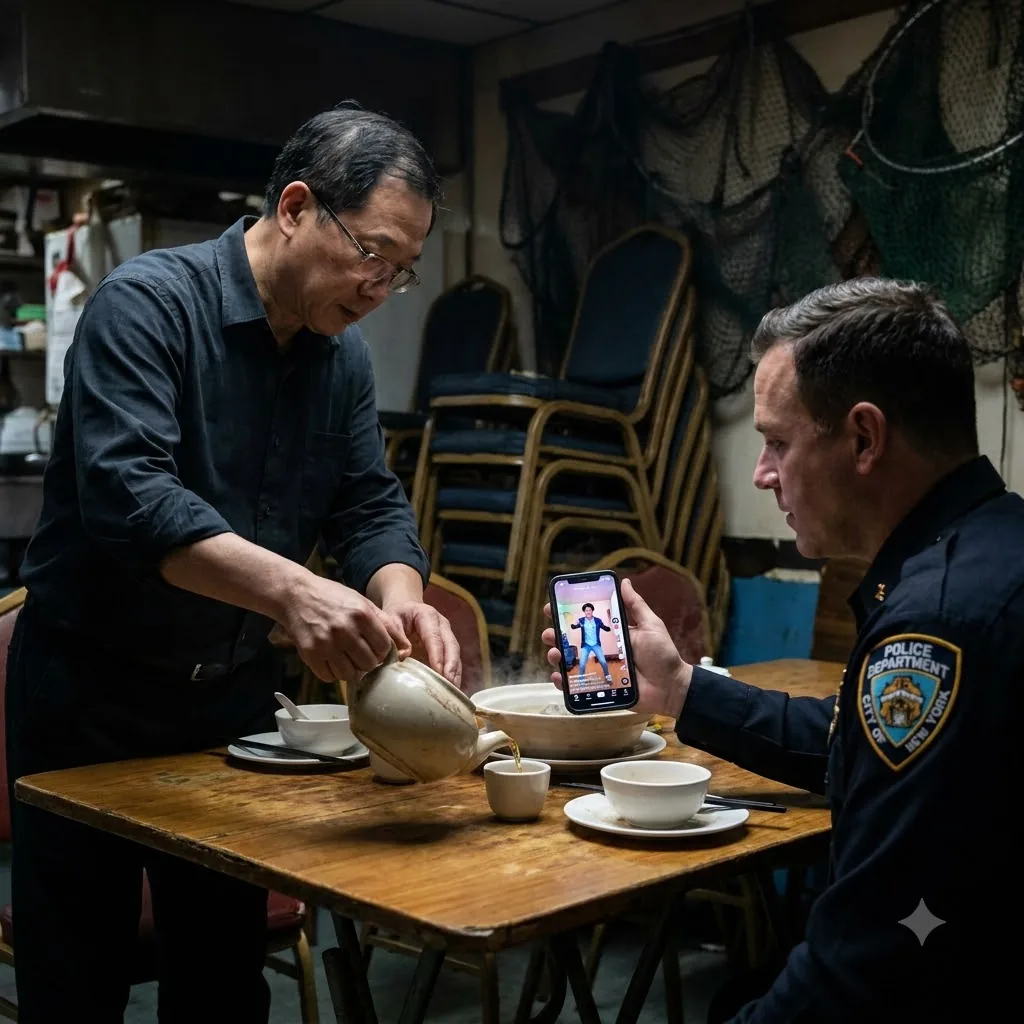
Captain Miller wiped a smear of cocktail sauce from his heavy chin with a cheap paper napkin, leaning his bulk across the corner booth of the Golden Pearl Seafood Restaurant. “The thing I appreciate about your kind, Hai, is that you know how to keep your heads down,” the captain said, his voice a suffocating blanket of aggressive warmth. Hai sat frozen on the opposite side of the red vinyl booth, keeping his hands folded neatly on the sticky laminate tabletop. He offered the precise, polite nod expected of the quiet, compliant neighborhood businessman.
The restaurant was empty at this hour, the silence broken only by the rhythmic hum of the commercial refrigerators and the faint sound of traffic bleeding through the front windows. The smell of bleach and deep-frying oil hung thick in the air. Miller tossed the balled-up napkin onto his empty plate of fried shrimp, letting out a satisfied burp that carried the scent of grease and stale coffee over the table. He adjusted his heavy duty leather belt, letting his thick fingers rest just a fraction of an inch from his service weapon. It was a casual, practiced gesture, one designed to remind Hai exactly who controlled the oxygen in the room.
“You run a clean shop,” Miller continued, gesturing around the dining room with a thick, calloused finger. “You pay your taxes, you sweep your sidewalk, you don’t cause a fuss. You people understand respect. You’re the model for how things should work around here. It makes my job easier when a community polices itself.”
Hai maintained his carefully constructed smile. The muscles in his jaw ached from the sheer, sustained effort, but he kept his gaze respectfully lowered to the table. The survival of his business, and his very existence in this neighborhood, depended entirely on his ability to absorb these lectures without a single flicker of resentment. He was the good immigrant, the silent worker, the invisible man. That was the role he had to play.
Miller sighed, the jovial mask slipping to reveal a tight, annoyed grimace that deepened the lines around his eyes. He reached into his uniform chest pocket and pulled out his smartphone. He unlocked it with a meaty thumb and shoved the screen across the table, sliding it right into Hai’s line of sight.
A harsh, blown-out bassline immediately rattled from the tiny phone speakers, the aggressive drum track echoing loudly in the quiet dining room.
“So you can imagine my severe disappointment when my officers sent me this garbage an hour ago,” Miller said, his tone hardening into a direct, uncompromising command.
Hai looked down at the scratched glass screen. The video was shot in a shaky, vertical format, dripping with amateurish editing effects and flashing transitions. At the center of the frame stood a teenager Hai recognized immediately. It was Jimmy, the lanky high schooler whose aunt ran the dry cleaners two streets over. Jimmy was dressed in an oversized black hoodie, a ski mask rolled up just above his nose to hide his identity. He was aggressively throwing erratic, jerky hand signs at the camera lens, spitting rushed, off-beat lyrics over a violent drill rap instrumental. He was trying desperately to project a hardened, untouchable persona.
“Kid calls himself some street name I can’t even pronounce,” Miller scoffed, tapping the edge of the phone casing. “Got a couple thousand views already. Now, normally, I would just send a cruiser to snatch him up and knock some sense into him. Put him in a holding cell for a weekend to scare him straight. But that creates paperwork, and it creates noise. I don’t like noise in your district, Hai.”
Hai watched the frantic movements of the teenager on the screen. Jimmy was posturing, his thin frame swallowed by the heavy winter coat, fueled by a toxic mix of teenage rebellion and a desperate hunger for attention.
“I want you to handle this,” Miller said, leaning back against the vinyl seat and crossing his thick arms. “You know his family. You have influence in your community. Go talk to the aunt, or the father, or whoever is supposed to be keeping him on a leash. Tell them to delete the video and take away his phone. Remind them that they have a good thing going here. A quiet, safe arrangement. If this kid wants to play gangster, he is going to invite the kind of heat that burns down legitimate businesses like yours.”
Hai nodded slowly, projecting nothing but complete understanding and eager compliance. He reached out with steady fingers to slide the phone back across the table.
“I will speak to the family,” Hai said, keeping his voice level, entirely stripped of emotion. “It is just a foolish boy imitating what he sees on the internet. It will be taken down before the sun sets.”
Miller smiled, a tight, utterly satisfied expression. “I knew you would understand, Hai. You handle it your way. Keep it quiet. Do not let this disease spread to the rest of the neighborhood.”
As Hai pushed the device away, the short video looped back to the beginning. The blown-out bassline rattled the table again. Jimmy jumped back into the frame, screaming his muted lyrics into the lens. Hai forced himself to look at the screen one last time to feign dutiful, respectful attention.
His dark eyes slipped past Jimmy’s flailing arms and locked onto the background.
The forced, compliant smile vanished from Hai’s face.
He stared at the brick wall behind the teenager. The lighting was extremely poor, illuminated only by the harsh, orange glare of a single flickering streetlamp, but the shapes painted on the bricks were unmistakable to anyone who knew the true borders of the city. Jimmy was not just standing in a random, abandoned alleyway.
Hai’s chest tightened as he registered the massive, intricate mural taking up the entire wall behind the boy. It was a sprawling depiction of a crowned skull wrapped in thick barbed wire, bordered by highly specific numerical codes and gothic lettering.
It was the shrine on the corner of 5th and Elm.
Hai watched, completely paralyzed, as the video continued to play. Jimmy took a step backward, placing his heavy sneaker directly onto the altar of melted candles and dried marigolds at the base of the mural. The teenager then raised his foot and stomped down hard, crushing a framed photograph resting on the shrine, all while maintaining dead-eyed contact with the camera.
The air completely left Hai’s lungs. The boy was not just acting out a fantasy for online clout. He was standing on the strictly forbidden ground of the city’s most ruthless syndicate, deliberately desecrating a sacred memorial for a fallen lieutenant.
Miller was still talking across the table, his voice a dull, distant drone praising the virtues of a quiet neighborhood, completely oblivious to the digital death warrant looping endlessly on his own phone.
Hai stared at the screen, watching Jimmy’s sneaker grind the shattered glass of the memorial frame deep into the concrete.
Captain Miller wiped a smear of cocktail sauce from his heavy chin with a cheap paper napkin, leaning his bulk across the corner booth of the Golden Pearl Seafood Restaurant. “The thing I appreciate about your kind, Hai, is that you know how to keep your heads down,” the captain said, his voice a suffocating blanket of aggressive warmth. Hai sat frozen on the opposite side of the red vinyl booth, keeping his hands folded neatly on the sticky laminate tabletop. He offered the precise, polite nod expected of the quiet, compliant neighborhood businessman.
The restaurant was empty at this hour, the silence broken only by the rhythmic hum of the commercial refrigerators and the faint sound of traffic bleeding through the front windows. The smell of bleach and deep-frying oil hung thick in the air. Miller tossed the balled-up napkin onto his empty plate of fried shrimp, letting out a satisfied burp that carried the scent of grease and stale coffee over the table. He adjusted his heavy duty leather belt, letting his thick fingers rest just a fraction of an inch from his service weapon. It was a casual, practiced gesture, one designed to remind Hai exactly who controlled the oxygen in the room.
“You run a clean shop,” Miller continued, gesturing around the dining room with a thick, calloused finger. “You pay your taxes, you sweep your sidewalk, you don’t cause a fuss. You people understand respect. You’re the model for how things should work around here. It makes my job easier when a community polices itself.”
Hai maintained his carefully constructed smile. The muscles in his jaw ached from the sheer, sustained effort, but he kept his gaze respectfully lowered to the table. The survival of his business, and his very existence in this neighborhood, depended entirely on his ability to absorb these lectures without a single flicker of resentment. He was the good immigrant, the silent worker, the invisible man. That was the role he had to play.
Miller sighed, the jovial mask slipping to reveal a tight, annoyed grimace that deepened the lines around his eyes. He reached into his uniform chest pocket and pulled out his smartphone. He unlocked it with a meaty thumb and shoved the screen across the table, sliding it right into Hai’s line of sight.
A harsh, blown-out bassline immediately rattled from the tiny phone speakers, the aggressive drum track echoing loudly in the quiet dining room.
“So you can imagine my severe disappointment when my officers sent me this garbage an hour ago,” Miller said, his tone hardening into a direct, uncompromising command.
Hai looked down at the scratched glass screen. The video was shot in a shaky, vertical format, dripping with amateurish editing effects and flashing transitions. At the center of the frame stood a teenager Hai recognized immediately. It was Jimmy, the lanky high schooler whose aunt ran the dry cleaners two streets over. Jimmy was dressed in an oversized black hoodie, a ski mask rolled up just above his nose to hide his identity. He was aggressively throwing erratic, jerky hand signs at the camera lens, spitting rushed, off-beat lyrics over a violent drill rap instrumental. He was trying desperately to project a hardened, untouchable persona.
“Kid calls himself some street name I can’t even pronounce,” Miller scoffed, tapping the edge of the phone casing. “Got a couple thousand views already. Now, normally, I would just send a cruiser to snatch him up and knock some sense into him. Put him in a holding cell for a weekend to scare him straight. But that creates paperwork, and it creates noise. I don’t like noise in your district, Hai.”
Hai watched the frantic movements of the teenager on the screen. Jimmy was posturing, his thin frame swallowed by the heavy winter coat, fueled by a toxic mix of teenage rebellion and a desperate hunger for attention.
“I want you to handle this,” Miller said, leaning back against the vinyl seat and crossing his thick arms. “You know his family. You have influence in your community. Go talk to the aunt, or the father, or whoever is supposed to be keeping him on a leash. Tell them to delete the video and take away his phone. Remind them that they have a good thing going here. A quiet, safe arrangement. If this kid wants to play gangster, he is going to invite the kind of heat that burns down legitimate businesses like yours.”
Hai nodded slowly, projecting nothing but complete understanding and eager compliance. He reached out with steady fingers to slide the phone back across the table.
“I will speak to the family,” Hai said, keeping his voice level, entirely stripped of emotion. “It is just a foolish boy imitating what he sees on the internet. It will be taken down before the sun sets.”
Miller smiled, a tight, utterly satisfied expression. “I knew you would understand, Hai. You handle it your way. Keep it quiet. Do not let this disease spread to the rest of the neighborhood.”
As Hai pushed the device away, the short video looped back to the beginning. The blown-out bassline rattled the table again. Jimmy jumped back into the frame, screaming his muted lyrics into the lens. Hai forced himself to look at the screen one last time to feign dutiful, respectful attention.
His dark eyes slipped past Jimmy’s flailing arms and locked onto the background.
The forced, compliant smile vanished from Hai’s face.
He stared at the brick wall behind the teenager. The lighting was extremely poor, illuminated only by the harsh, orange glare of a single flickering streetlamp, but the shapes painted on the bricks were unmistakable to anyone who knew the true borders of the city. Jimmy was not just standing in a random, abandoned alleyway.
Hai’s chest tightened as he registered the massive, intricate mural taking up the entire wall behind the boy. It was a sprawling depiction of a crowned skull wrapped in thick barbed wire, bordered by highly specific numerical codes and gothic lettering.
It was the shrine on the corner of 5th and Elm.
Hai watched, completely paralyzed, as the video continued to play. Jimmy took a step backward, placing his heavy sneaker directly onto the altar of melted candles and dried marigolds at the base of the mural. The teenager then raised his foot and stomped down hard, crushing a framed photograph resting on the shrine, all while maintaining dead-eyed contact with the camera.
The air completely left Hai’s lungs. The boy was not just acting out a fantasy for online clout. He was standing on the strictly forbidden ground of the city’s most ruthless syndicate, deliberately desecrating a sacred memorial for a fallen lieutenant.
Miller was still talking across the table, his voice a dull, distant drone praising the virtues of a quiet neighborhood, completely oblivious to the digital death warrant looping endlessly on his own phone.
Hai stared at the screen, watching Jimmy’s sneaker grind the shattered glass of the memorial frame deep into the concrete.