Story code: ST-000314
Part 1: The Compliance Metrics
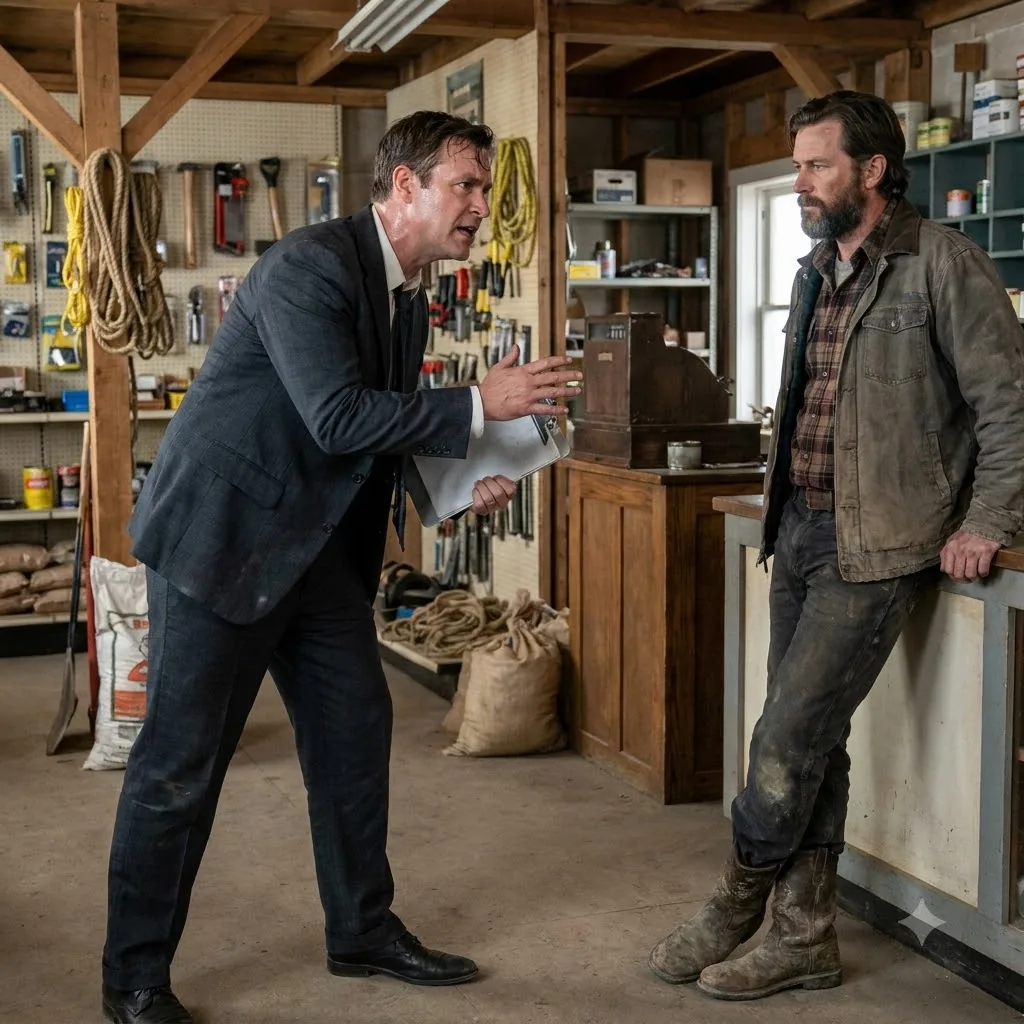
Vance had just slid his box of brass screws onto the checkout belt when a plastic clipboard slapped down right next to the card reader. David stepped directly into the space between the impulse-buy beef jerky and the register, blocking the only path out of the hardware store. The suburban father smelled sharply of stress sweat and stale coffee, his breathing shallow and rapid.
“We need to execute a paradigm shift on this safe-storage initiative before end-of-day,” David announced, tapping the clipboard with a rigid index finger. “I am looking for immediate stakeholder buy-in to optimize our neighborhood safety verticals.”
Vance slowly wiped a smear of gray tactical range dust off his forearm. He stared down at the clipboard, then up at David’s face. The man’s eyes were bloodshot, darting around the small retail space as if evaluating the checkout teenager and the display of AA batteries for strategic weaknesses.
“I just need to pay for my screws,” Vance said.
“That is a macro-level delay tactic,” David shot back, shifting his weight. He gripped the edges of the clipboard so hard his knuckles turned a translucent white. The metal spring clip vibrated against the plastic board, betraying a severe tremor in his hands. “We are operating on a compressed timeline here, Vance. The community metrics indicate a seventy-three percent deficit in compliant storage solutions within a two-mile radius of your facility. I have the data mapped.”
David forcefully flipped the top page to reveal a heavily laminated, color-coded spreadsheet. It was a neighborhood petition, but someone had formatted it like a quarterly earnings report. Cells were highlighted in aggressive shades of red and yellow, complete with trend lines and projected liability algorithms.
The teenager behind the register stood frozen, holding the box of screws over the barcode scanner without moving.
“Scan the hardware,” Vance told the kid.
The scanner beeped. David leaned closer, his shoulder nearly brushing Vance’s chest. The intense scent of nervous perspiration grew stronger.
“You are not grasping the urgency of the deliverables,” David said, his voice dropping into a harsh, forced whisper usually reserved for closed-door executive reprimands. “If we do not leverage this petition to establish proactive compliance, the neighborhood association will pivot to hostile zoning actions. I ran a SWOT analysis on your tactical range operations last night. Your risk exposure is entirely unsustainable.”
Vance studied the man’s face. David’s left eyelid twitched. A bead of sweat rolled down his temple, cutting a path through the faint sheen of oil on his skin. He was dressed for a casual Saturday in khaki shorts and a polo shirt, but he was holding his body with the rigid, terrifying desperation of a man backed against a sheer cliff.
None of this matched a simple neighborhood signature drive. People collecting signatures usually offered a polite smile and a brief explanation. They did not ambush local business owners at the hardware store with corporate jargon, SWOT analyses, and shaking hands.
“I do not sign spreadsheets,” Vance said, pulling his wallet from his back pocket.
“This is an actionable roadmap,” David insisted. He shoved the clipboard directly over the card reader. “I need your signature on the dotted line to finalize the community alignment phase. Once you sign, the rest of the local merchants fall into place. You are the key demographic influencer here. I cannot report back without your endorsement.”
Vance paused with his credit card in the air. He noted the specific phrasing. David spoke as though he had a board of directors breathing down his neck, demanding results by five o’clock. But there was no board of directors. There was only a volunteer neighborhood watch committee that met once a month at the local library to complain about loud mufflers and overgrown lawns. Yet David was acting like his entire livelihood depended on this one piece of paper. The sheer terror radiating from the man was palpable, completely at odds with his aggressive, buzzword-heavy vocabulary.
Vance looked down at David’s expensive leather loafers, then back up to the twitching muscle in his jaw.
“Move the board,” Vance said.
David’s breathing hitched. He pressed the clipboard down harder, completely covering the digital payment screen. The plastic cracked faintly under the pressure of his thumbs.
“I am offering you a strategic partnership,” David said, the tremor in his hands moving up his arms to his shoulders. “We synergize our messaging. You promote the storage locks, I deliver the compliance metrics to the association. It is a win-win integration. If you decline, I have to escalate this to a tier-one dispute.”
The teenage cashier took a very slow step backward, eyes wide, clearly looking for a manager who was nowhere to be found.
Vance maintained his calm, flat expression. He was covered in lead dust and gunpowder residue, eager to get back to his business, and entirely unwilling to participate in this bizarre corporate theater. He reached out and grasped the edge of the plastic clipboard. He expected David to let go.
Instead, David locked his elbows. He turned the simple act of moving a piece of plastic into a desperate physical standoff. The man’s knuckles were completely drained of blood.
“You are jeopardizing the entire operational structure,” David hissed through clenched teeth, his eyes widening in a wild, unblinking stare. “I need these metrics finalized today.”
Vance tightened his grip and shoved the clipboard an inch to the left, trying to expose the glowing edge of the card reader.
David let out a sharp, ragged gasp and slammed his free hand over the device, physically covering the payment slot with his bare, shaking palm as he reached blindly into his deep front pocket with his other hand.
Vance had just slid his box of brass screws onto the checkout belt when a plastic clipboard slapped down right next to the card reader. David stepped directly into the space between the impulse-buy beef jerky and the register, blocking the only path out of the hardware store. The suburban father smelled sharply of stress sweat and stale coffee, his breathing shallow and rapid.
“We need to execute a paradigm shift on this safe-storage initiative before end-of-day,” David announced, tapping the clipboard with a rigid index finger. “I am looking for immediate stakeholder buy-in to optimize our neighborhood safety verticals.”
Vance slowly wiped a smear of gray tactical range dust off his forearm. He stared down at the clipboard, then up at David’s face. The man’s eyes were bloodshot, darting around the small retail space as if evaluating the checkout teenager and the display of AA batteries for strategic weaknesses.
“I just need to pay for my screws,” Vance said.
“That is a macro-level delay tactic,” David shot back, shifting his weight. He gripped the edges of the clipboard so hard his knuckles turned a translucent white. The metal spring clip vibrated against the plastic board, betraying a severe tremor in his hands. “We are operating on a compressed timeline here, Vance. The community metrics indicate a seventy-three percent deficit in compliant storage solutions within a two-mile radius of your facility. I have the data mapped.”
David forcefully flipped the top page to reveal a heavily laminated, color-coded spreadsheet. It was a neighborhood petition, but someone had formatted it like a quarterly earnings report. Cells were highlighted in aggressive shades of red and yellow, complete with trend lines and projected liability algorithms.
The teenager behind the register stood frozen, holding the box of screws over the barcode scanner without moving.
“Scan the hardware,” Vance told the kid.
The scanner beeped. David leaned closer, his shoulder nearly brushing Vance’s chest. The intense scent of nervous perspiration grew stronger.
“You are not grasping the urgency of the deliverables,” David said, his voice dropping into a harsh, forced whisper usually reserved for closed-door executive reprimands. “If we do not leverage this petition to establish proactive compliance, the neighborhood association will pivot to hostile zoning actions. I ran a SWOT analysis on your tactical range operations last night. Your risk exposure is entirely unsustainable.”
Vance studied the man’s face. David’s left eyelid twitched. A bead of sweat rolled down his temple, cutting a path through the faint sheen of oil on his skin. He was dressed for a casual Saturday in khaki shorts and a polo shirt, but he was holding his body with the rigid, terrifying desperation of a man backed against a sheer cliff.
None of this matched a simple neighborhood signature drive. People collecting signatures usually offered a polite smile and a brief explanation. They did not ambush local business owners at the hardware store with corporate jargon, SWOT analyses, and shaking hands.
“I do not sign spreadsheets,” Vance said, pulling his wallet from his back pocket.
“This is an actionable roadmap,” David insisted. He shoved the clipboard directly over the card reader. “I need your signature on the dotted line to finalize the community alignment phase. Once you sign, the rest of the local merchants fall into place. You are the key demographic influencer here. I cannot report back without your endorsement.”
Vance paused with his credit card in the air. He noted the specific phrasing. David spoke as though he had a board of directors breathing down his neck, demanding results by five o’clock. But there was no board of directors. There was only a volunteer neighborhood watch committee that met once a month at the local library to complain about loud mufflers and overgrown lawns. Yet David was acting like his entire livelihood depended on this one piece of paper. The sheer terror radiating from the man was palpable, completely at odds with his aggressive, buzzword-heavy vocabulary.
Vance looked down at David’s expensive leather loafers, then back up to the twitching muscle in his jaw.
“Move the board,” Vance said.
David’s breathing hitched. He pressed the clipboard down harder, completely covering the digital payment screen. The plastic cracked faintly under the pressure of his thumbs.
“I am offering you a strategic partnership,” David said, the tremor in his hands moving up his arms to his shoulders. “We synergize our messaging. You promote the storage locks, I deliver the compliance metrics to the association. It is a win-win integration. If you decline, I have to escalate this to a tier-one dispute.”
The teenage cashier took a very slow step backward, eyes wide, clearly looking for a manager who was nowhere to be found.
Vance maintained his calm, flat expression. He was covered in lead dust and gunpowder residue, eager to get back to his business, and entirely unwilling to participate in this bizarre corporate theater. He reached out and grasped the edge of the plastic clipboard. He expected David to let go.
Instead, David locked his elbows. He turned the simple act of moving a piece of plastic into a desperate physical standoff. The man’s knuckles were completely drained of blood.
“You are jeopardizing the entire operational structure,” David hissed through clenched teeth, his eyes widening in a wild, unblinking stare. “I need these metrics finalized today.”
Vance tightened his grip and shoved the clipboard an inch to the left, trying to expose the glowing edge of the card reader.
David let out a sharp, ragged gasp and slammed his free hand over the device, physically covering the payment slot with his bare, shaking palm as he reached blindly into his deep front pocket with his other hand.