Story code: ST-000435
Part 1: The Memo
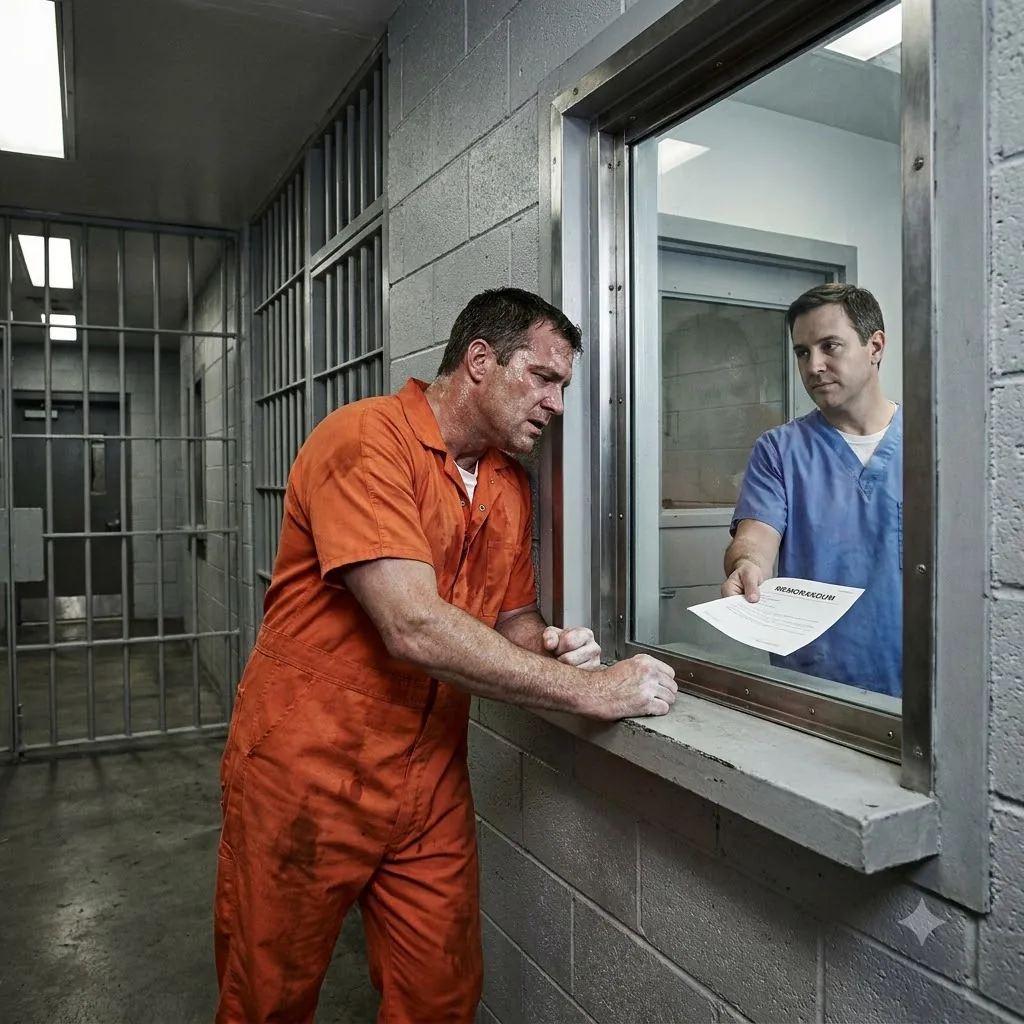
The line for the dispensing window stretched down the bright, bleached-white corridor of Sector Four. Marcus shifted his weight to his left leg, biting the inside of his cheek as a wave of heat radiated from his right boot. The smell came through the thick canvas, a sweet, garbage-like rot that made the men behind him step back and cover their noses. He ignored their muttering, keeping his eyes on the plexiglass window ahead. The digital clock above the nurses’ station blinked seven-thirty in the morning. It was time for his insulin.
He dragged his right foot forward, treating it like a dead, swollen weight. His toes felt like they were submerged in boiling water, while the rest of his calf remained terrifyingly numb. The man in front of him grabbed a small plastic cup of blood pressure pills and walked away, leaving the space open.
Marcus grabbed the stainless steel counter to steady himself and leaned toward the speaking holes. Nurse Higgins did not look up from her tablet. She tapped the screen with a stylus, her uniform pristine, smelling faintly of antibacterial soap and lavender.
“Marcus Vance,” he said, his voice dry and raspy. “Inmate eight-two-four-one. Lantus and Humalog.”
Higgins stopped tapping. She set the stylus down and pulled a sheet of standard-issue printer paper from a tray beside her keyboard. She did not reach for the locked refrigerated drawer where the temperature-controlled vials were kept. She simply folded the paper into a neat square and slid it through the steel slot at the bottom of the window.
Marcus looked at the folded paper resting on the steel counter, then up at her face. He kept his hand flat on the cool metal, trying to ground himself against the dizzying spin in his head.
“I need my shot,” he told her. “I am pushing four hundred on my blood sugar. My foot is turning black.”
“Your medication tier has been adjusted by the regional administrator,” Higgins said, her tone as flat and unyielding as the linoleum floor. “There was a policy update regarding chronic condition management in private facilities. It is outlined in the memo provided.”
Marcus picked up the paper with trembling fingers. The header bore the embossed logo of Apex Correctional Management. A paragraph near the center was highlighted in bright yellow ink. It stated that due to supply chain reallocation, advanced analog insulin was now classified as a Tier 3 non-essential therapeutic, requiring out-of-pocket commissary payment at the current market rate.
He stared at the printed words until the black letters blurred into gray smudges. His vision had been swimming since yesterday afternoon. Market rate meant hundreds of dollars a month for a basic supply. He made fourteen cents an hour stamping sheet metal in the industrial shop.
“I will go into ketoacidosis,” Marcus said, pressing his sweaty face closer to the glass. “You know that. You are a trained nurse. You can literally see my foot rotting.”
“You can purchase regular human insulin at the commissary if you have the funds, Vance,” she said, looking past him to the next man waiting in line. “Move along.”
“I cannot afford that.” He gripped the edge of the steel tray, his knuckles turning white. “I need the medication to live. Just give me the dose for today so I can figure this out.”
Higgins did not argue. She simply pressed a red button mounted under the lip of her desk. Two correctional officers standing at the end of the hall unclipped their heavy wooden batons and started walking toward the window. Their boots clacked rhythmically against the floor, a sharp, heavy sound that echoed off the cinderblock walls.
“Step away from the glass, Vance,” the larger guard said, stopping two feet behind him and raising his baton just an inch.
Marcus looked at the refrigerated drawer, less than three feet away, locked behind a half-inch of bulletproof plastic. The sickening throb in his boot pulsed in time with his racing heartbeat. He let go of the counter, turned around, and dragged his right leg slowly away from the dispensing station.
He collapsed onto a rusted metal bench in the dayroom, dropping the folded corporate memo beside his hip. Sweat ran down his temples and pooled in the collar of his uniform. His mouth tasted like pennies and ash, a clear sign his blood was turning acidic. He untied the tight laces of his right boot to relieve the mounting pressure, wincing as the canvas peeled away from his swollen ankle. The skin visible above his gray sock was a bruised, mottled purple, radiating an unnatural heat.
A sudden shadow fell over him. A man sat down on the other end of the bench, moving with a practiced, predatory stillness. Marcus recognized the teardrop tattoo under the man’s left eye and the perfectly ironed creases of his blue uniform. It was Hector, a lieutenant for the block’s most violent syndicate.
Hector did not look at Marcus. He stared straight ahead at the mounted television showing a muted morning news broadcast.
“Smells like you are dying over here, Vance,” Hector said softly.
Marcus did not answer. He gripped his knee, trying to stop his leg from violently shaking.
“Administrator cut the medical budget,” Hector continued, his voice barely above a whisper. “He gets a fat bonus for saving the corporation money. You get a hacksaw above the knee. Seems like a bad deal.”
Hector shifted his weight, reaching into his pocket. He brought out his hand and kept it curled in a loose fist, resting it on the metal bench midway between them. He slowly opened his fingers. A pristine, sealed vial of Humalog rested on the steel grating. The glass caught the harsh fluorescent light overhead, illuminating the clear liquid inside.
Marcus stared at the small bottle. It was life. It was his foot staying attached to his leg. It was another week of breathing air instead of dirt.
“I got a supplier in the infirmary,” Hector said. “I got a steady stream flowing. Enough to keep you walking on two feet until your parole board hearing next year.”
Marcus slowly reached out and covered the vial with his palm. The glass was deliciously cold against his burning skin.
“Nothing is free in here,” Marcus said, keeping his voice dead flat.
“There is a snitch in Cell Block C,” Hector replied, still watching the silent television screen. “Name is Alvarez. He goes to the showers at exactly nineteen hundred hours. The cameras in the East corridor are going to experience a tragic malfunction tonight.”
Hector slid a shank fashioned from a sharpened steel bedspring out of his sleeve. He laid the crude, deadly weapon exactly where the medicine vial had been just seconds before.
“You bring me proof he is not breathing,” Hector said, standing up and smoothing the front of his shirt. “And you get the needle to go with that juice.”
The line for the dispensing window stretched down the bright, bleached-white corridor of Sector Four. Marcus shifted his weight to his left leg, biting the inside of his cheek as a wave of heat radiated from his right boot. The smell came through the thick canvas, a sweet, garbage-like rot that made the men behind him step back and cover their noses. He ignored their muttering, keeping his eyes on the plexiglass window ahead. The digital clock above the nurses’ station blinked seven-thirty in the morning. It was time for his insulin.
He dragged his right foot forward, treating it like a dead, swollen weight. His toes felt like they were submerged in boiling water, while the rest of his calf remained terrifyingly numb. The man in front of him grabbed a small plastic cup of blood pressure pills and walked away, leaving the space open.
Marcus grabbed the stainless steel counter to steady himself and leaned toward the speaking holes. Nurse Higgins did not look up from her tablet. She tapped the screen with a stylus, her uniform pristine, smelling faintly of antibacterial soap and lavender.
“Marcus Vance,” he said, his voice dry and raspy. “Inmate eight-two-four-one. Lantus and Humalog.”
Higgins stopped tapping. She set the stylus down and pulled a sheet of standard-issue printer paper from a tray beside her keyboard. She did not reach for the locked refrigerated drawer where the temperature-controlled vials were kept. She simply folded the paper into a neat square and slid it through the steel slot at the bottom of the window.
Marcus looked at the folded paper resting on the steel counter, then up at her face. He kept his hand flat on the cool metal, trying to ground himself against the dizzying spin in his head.
“I need my shot,” he told her. “I am pushing four hundred on my blood sugar. My foot is turning black.”
“Your medication tier has been adjusted by the regional administrator,” Higgins said, her tone as flat and unyielding as the linoleum floor. “There was a policy update regarding chronic condition management in private facilities. It is outlined in the memo provided.”
Marcus picked up the paper with trembling fingers. The header bore the embossed logo of Apex Correctional Management. A paragraph near the center was highlighted in bright yellow ink. It stated that due to supply chain reallocation, advanced analog insulin was now classified as a Tier 3 non-essential therapeutic, requiring out-of-pocket commissary payment at the current market rate.
He stared at the printed words until the black letters blurred into gray smudges. His vision had been swimming since yesterday afternoon. Market rate meant hundreds of dollars a month for a basic supply. He made fourteen cents an hour stamping sheet metal in the industrial shop.
“I will go into ketoacidosis,” Marcus said, pressing his sweaty face closer to the glass. “You know that. You are a trained nurse. You can literally see my foot rotting.”
“You can purchase regular human insulin at the commissary if you have the funds, Vance,” she said, looking past him to the next man waiting in line. “Move along.”
“I cannot afford that.” He gripped the edge of the steel tray, his knuckles turning white. “I need the medication to live. Just give me the dose for today so I can figure this out.”
Higgins did not argue. She simply pressed a red button mounted under the lip of her desk. Two correctional officers standing at the end of the hall unclipped their heavy wooden batons and started walking toward the window. Their boots clacked rhythmically against the floor, a sharp, heavy sound that echoed off the cinderblock walls.
“Step away from the glass, Vance,” the larger guard said, stopping two feet behind him and raising his baton just an inch.
Marcus looked at the refrigerated drawer, less than three feet away, locked behind a half-inch of bulletproof plastic. The sickening throb in his boot pulsed in time with his racing heartbeat. He let go of the counter, turned around, and dragged his right leg slowly away from the dispensing station.
He collapsed onto a rusted metal bench in the dayroom, dropping the folded corporate memo beside his hip. Sweat ran down his temples and pooled in the collar of his uniform. His mouth tasted like pennies and ash, a clear sign his blood was turning acidic. He untied the tight laces of his right boot to relieve the mounting pressure, wincing as the canvas peeled away from his swollen ankle. The skin visible above his gray sock was a bruised, mottled purple, radiating an unnatural heat.
A sudden shadow fell over him. A man sat down on the other end of the bench, moving with a practiced, predatory stillness. Marcus recognized the teardrop tattoo under the man’s left eye and the perfectly ironed creases of his blue uniform. It was Hector, a lieutenant for the block’s most violent syndicate.
Hector did not look at Marcus. He stared straight ahead at the mounted television showing a muted morning news broadcast.
“Smells like you are dying over here, Vance,” Hector said softly.
Marcus did not answer. He gripped his knee, trying to stop his leg from violently shaking.
“Administrator cut the medical budget,” Hector continued, his voice barely above a whisper. “He gets a fat bonus for saving the corporation money. You get a hacksaw above the knee. Seems like a bad deal.”
Hector shifted his weight, reaching into his pocket. He brought out his hand and kept it curled in a loose fist, resting it on the metal bench midway between them. He slowly opened his fingers. A pristine, sealed vial of Humalog rested on the steel grating. The glass caught the harsh fluorescent light overhead, illuminating the clear liquid inside.
Marcus stared at the small bottle. It was life. It was his foot staying attached to his leg. It was another week of breathing air instead of dirt.
“I got a supplier in the infirmary,” Hector said. “I got a steady stream flowing. Enough to keep you walking on two feet until your parole board hearing next year.”
Marcus slowly reached out and covered the vial with his palm. The glass was deliciously cold against his burning skin.
“Nothing is free in here,” Marcus said, keeping his voice dead flat.
“There is a snitch in Cell Block C,” Hector replied, still watching the silent television screen. “Name is Alvarez. He goes to the showers at exactly nineteen hundred hours. The cameras in the East corridor are going to experience a tragic malfunction tonight.”
Hector slid a shank fashioned from a sharpened steel bedspring out of his sleeve. He laid the crude, deadly weapon exactly where the medicine vial had been just seconds before.
“You bring me proof he is not breathing,” Hector said, standing up and smoothing the front of his shirt. “And you get the needle to go with that juice.”