Story code: ST-000437
Part 1: The Fortress Initiative
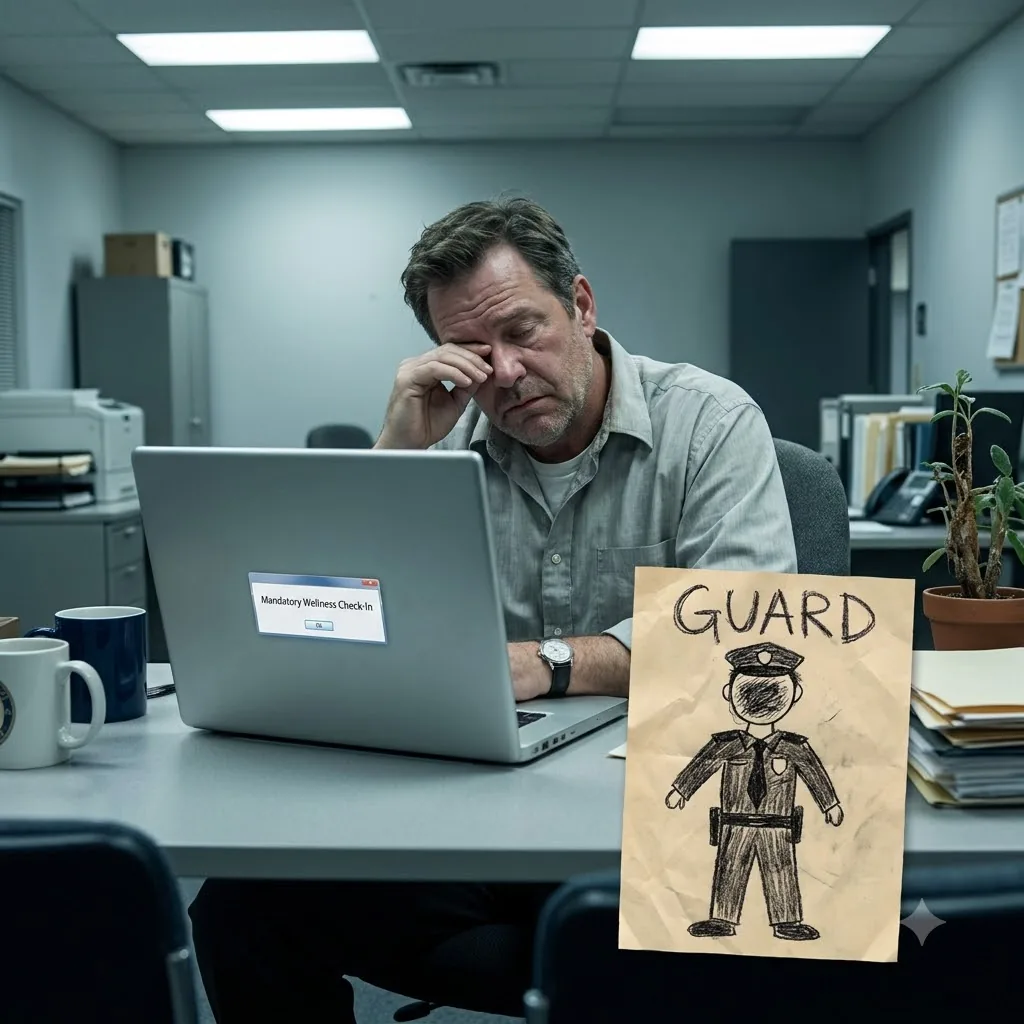
Aris dragged his cursor over the green submit button at the bottom of the Q3 behavioral trends report. He clicked firmly, expecting the familiar blue confirmation banner, but the district portal immediately froze into a flat gray screen. A second later, a red dialog box snapped into the center of the monitor. The text read *Access Restricted-Credentials Revoked*. Aris hammered the escape key, attempting to bypass the prompt, but the system remained completely frozen. Before he could attempt a hard reboot, a sharp chime sounded from his speakers. A calendar invitation slid across the top right corner of his display. The subject line read *Immediate Synergistic Wellness Check-In*, with Superintendent Vance and PTA President Clara Higgins listed as mandatory attendees. The meeting time was set for exactly two minutes from now.
Aris stared at the glowing screen. He looked down at the thick manila folder on his desk, the physical backup of the data he had just tried to upload. Forty-two intake forms sat inside that folder. Every single document outlined the exact same symptoms in the student body. Severe night terrors, chronic hyperventilation, and auditory hallucinations. The onset of these symptoms aligned perfectly with the activation of the district’s new automated security grid three weeks prior. He had spent the entire week correlating the high-frequency sonic deterrents in the bathrooms and the randomized, blaring lockdown sirens to the massive spike in panic attacks. The state oversight board needed this data by five o’clock to evaluate the psychological safety of the new measures. If he missed the upload window, the state would officially certify the security grid as harmless.
He picked up his desk phone to call the IT department. The receiver emitted a flat, hollow tone. His internal extension was completely dead. The administration had isolated his office from the network.
Aris closed the manila folder and tucked it tightly under his arm. He pushed his chair back, the wheels scraping loudly against the linoleum. He walked out of his office and stepped into the main corridor. The atmosphere in the school had shifted dramatically over the past month. The fluorescent lights overhead hummed with a heavy electrical buzz, syncing with the automated magnetic locks installed on every classroom door. The administration called it The Fortress Initiative. The dark, tinted domes of the new biometric cameras tracked his movement as he headed toward the administrative wing.
He passed a group of freshmen standing near the water fountain. None of them were speaking. They kept their heads down, their eyes darting toward the nearest reinforced steel exit door every time the ventilation system clicked on. A girl named Maya dropped her notebook, and the sharp sound made two other students flinch violently. Maya was case file number twenty-seven in Aris’s folder. She had stopped sleeping completely after the new hallway metal detectors triggered a false alarm that locked her entire class in total darkness for two hours.
Aris tightened his grip on the folder. The administration had promised the community that the new security architecture would make the students feel protected. The data proved the exact opposite. The school felt like a holding facility, and the students were breaking under the psychological weight of it.
He reached the frosted glass doors of Administrative Suite A. The receptionist, a usually chatty woman named Helen, was absent from her desk. Her computer monitor was powered down. The silence in the waiting area felt heavy and deliberate. Aris walked past her empty station and approached the superintendent’s private conference room. The heavy oak door was cracked open just enough to let a thin sliver of light spill out onto the carpet.
Inside, he could hear the sharp, rhythmic tapping of a pen against a mahogany table. It was followed by the crisp, overly enunciated voice of Clara Higgins. She was listing off state counseling licensing requirements and speaking about the necessity of absolute, unwavering district alignment. Her words carried a sharp edge, devoid of any hint of a wellness check.
Aris pushed the door open. The conference room was unnervingly bright. Superintendent Vance sat at the head of the long table, his hands folded neatly over a thick stack of printed documents. Clara Higgins stood by the window, her arms crossed over her tailored blazer. Neither of them looked surprised to see him.
Vance gestured toward the single empty chair positioned on the opposite side of the table. A solitary piece of paper rested on the polished wood in front of the chair, alongside a heavy silver pen. The document bore the official watermark of the state licensing board.
“Take a seat, Aris,” Vance said, his tone entirely flat.
Aris remained standing near the doorway. He looked at the single sheet of paper. The bold header at the top read *Voluntary Nondisclosure and Professional Alignment Agreement*.
“We noticed a slight irregularity with your network traffic this morning,” Vance continued, interlacing his fingers. “It seems you were attempting to upload a rather alarmist set of unverified claims to the state registry.”
Clara stepped away from the window and moved toward the table. She tapped a manicured fingernail against the alignment agreement. “We are here to help you realign your priorities with the district’s vision for a secure learning environment. The PTA and the school board have invested millions in The Fortress Initiative. We cannot have a district employee undermining public confidence with exaggerated mental health reports. Your professional license depends on your cooperation today.”
Aris looked down at the manila folder under his arm, then back to the contract on the table. The silence stretched out, thick and suffocating, until Vance leaned forward and slid the silver pen directly onto the center of the agreement.
Aris dragged his cursor over the green submit button at the bottom of the Q3 behavioral trends report. He clicked firmly, expecting the familiar blue confirmation banner, but the district portal immediately froze into a flat gray screen. A second later, a red dialog box snapped into the center of the monitor. The text read *Access Restricted-Credentials Revoked*. Aris hammered the escape key, attempting to bypass the prompt, but the system remained completely frozen. Before he could attempt a hard reboot, a sharp chime sounded from his speakers. A calendar invitation slid across the top right corner of his display. The subject line read *Immediate Synergistic Wellness Check-In*, with Superintendent Vance and PTA President Clara Higgins listed as mandatory attendees. The meeting time was set for exactly two minutes from now.
Aris stared at the glowing screen. He looked down at the thick manila folder on his desk, the physical backup of the data he had just tried to upload. Forty-two intake forms sat inside that folder. Every single document outlined the exact same symptoms in the student body. Severe night terrors, chronic hyperventilation, and auditory hallucinations. The onset of these symptoms aligned perfectly with the activation of the district’s new automated security grid three weeks prior. He had spent the entire week correlating the high-frequency sonic deterrents in the bathrooms and the randomized, blaring lockdown sirens to the massive spike in panic attacks. The state oversight board needed this data by five o’clock to evaluate the psychological safety of the new measures. If he missed the upload window, the state would officially certify the security grid as harmless.
He picked up his desk phone to call the IT department. The receiver emitted a flat, hollow tone. His internal extension was completely dead. The administration had isolated his office from the network.
Aris closed the manila folder and tucked it tightly under his arm. He pushed his chair back, the wheels scraping loudly against the linoleum. He walked out of his office and stepped into the main corridor. The atmosphere in the school had shifted dramatically over the past month. The fluorescent lights overhead hummed with a heavy electrical buzz, syncing with the automated magnetic locks installed on every classroom door. The administration called it The Fortress Initiative. The dark, tinted domes of the new biometric cameras tracked his movement as he headed toward the administrative wing.
He passed a group of freshmen standing near the water fountain. None of them were speaking. They kept their heads down, their eyes darting toward the nearest reinforced steel exit door every time the ventilation system clicked on. A girl named Maya dropped her notebook, and the sharp sound made two other students flinch violently. Maya was case file number twenty-seven in Aris’s folder. She had stopped sleeping completely after the new hallway metal detectors triggered a false alarm that locked her entire class in total darkness for two hours.
Aris tightened his grip on the folder. The administration had promised the community that the new security architecture would make the students feel protected. The data proved the exact opposite. The school felt like a holding facility, and the students were breaking under the psychological weight of it.
He reached the frosted glass doors of Administrative Suite A. The receptionist, a usually chatty woman named Helen, was absent from her desk. Her computer monitor was powered down. The silence in the waiting area felt heavy and deliberate. Aris walked past her empty station and approached the superintendent’s private conference room. The heavy oak door was cracked open just enough to let a thin sliver of light spill out onto the carpet.
Inside, he could hear the sharp, rhythmic tapping of a pen against a mahogany table. It was followed by the crisp, overly enunciated voice of Clara Higgins. She was listing off state counseling licensing requirements and speaking about the necessity of absolute, unwavering district alignment. Her words carried a sharp edge, devoid of any hint of a wellness check.
Aris pushed the door open. The conference room was unnervingly bright. Superintendent Vance sat at the head of the long table, his hands folded neatly over a thick stack of printed documents. Clara Higgins stood by the window, her arms crossed over her tailored blazer. Neither of them looked surprised to see him.
Vance gestured toward the single empty chair positioned on the opposite side of the table. A solitary piece of paper rested on the polished wood in front of the chair, alongside a heavy silver pen. The document bore the official watermark of the state licensing board.
“Take a seat, Aris,” Vance said, his tone entirely flat.
Aris remained standing near the doorway. He looked at the single sheet of paper. The bold header at the top read *Voluntary Nondisclosure and Professional Alignment Agreement*.
“We noticed a slight irregularity with your network traffic this morning,” Vance continued, interlacing his fingers. “It seems you were attempting to upload a rather alarmist set of unverified claims to the state registry.”
Clara stepped away from the window and moved toward the table. She tapped a manicured fingernail against the alignment agreement. “We are here to help you realign your priorities with the district’s vision for a secure learning environment. The PTA and the school board have invested millions in The Fortress Initiative. We cannot have a district employee undermining public confidence with exaggerated mental health reports. Your professional license depends on your cooperation today.”
Aris looked down at the manila folder under his arm, then back to the contract on the table. The silence stretched out, thick and suffocating, until Vance leaned forward and slid the silver pen directly onto the center of the agreement.