Story code: ST-001199
Part 1: The Integrity Check
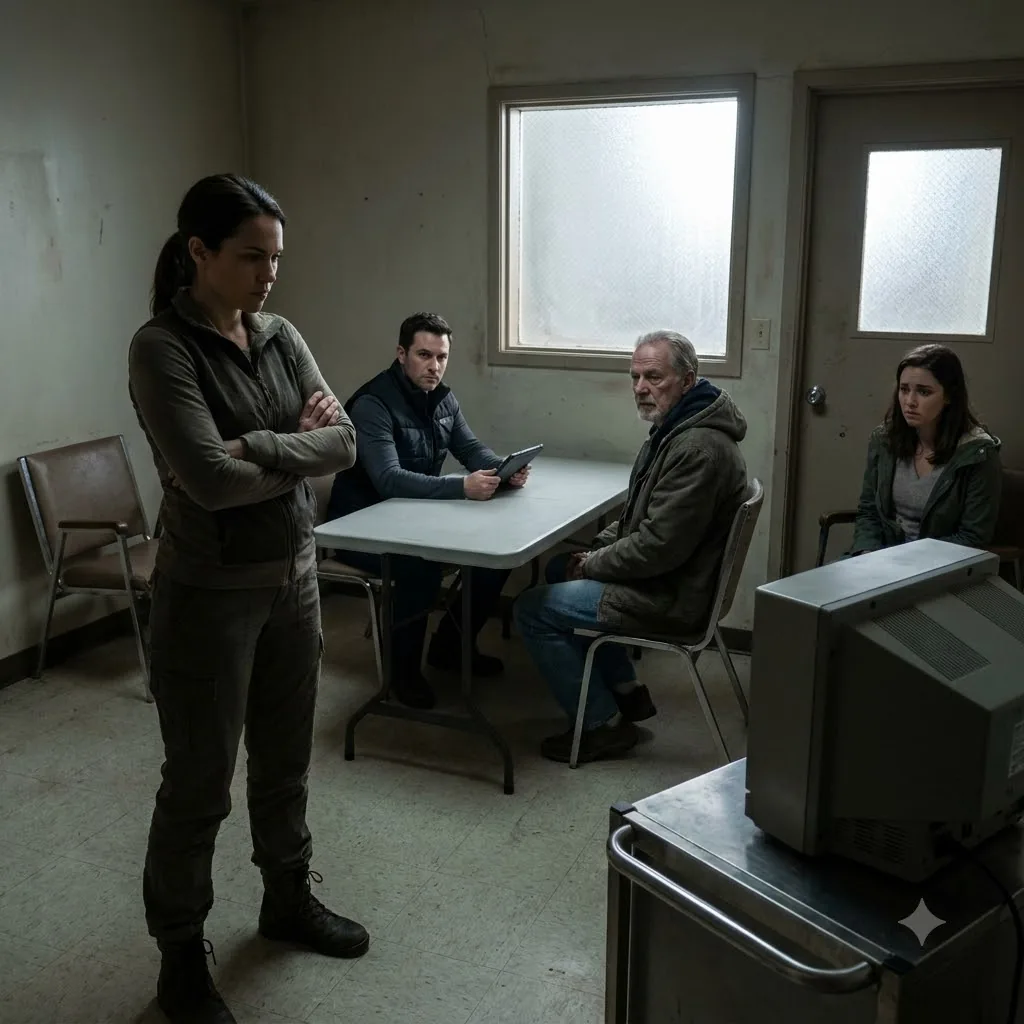
Mara stood by the corner filing console, observing the transaction logs inside the Aegis Neuro Clinic consultation room. At the center desk, Dr. Julian Vance tapped the edge of the implant consent tablet with brushed steel borders, using a strict moral standard to publicly shame Marcus Croft, an aging patient whose career depended on the memory preservation procedure. As Vance adjusted a holographic calibration key, his clipped clinical tone rose to ensure the patients in the sterile waiting bay could hear every word. Croft’s minor compliance infraction-a single unverified memory log from a decade ago-flashed in red text on the tablet’s glossy display, creating an immediate barrier to his procedure.
“The regulations are absolute, Mr. Croft,” Vance said, leaning back and polishing his wire-rimmed glasses with a microfiber cloth. “A single unverified memory modification on your historical log disqualifies you from receiving a subsidized cognitive preservation implant. This clinic is built on community trust, yet you expect us to overlook a deliberate record manipulation.”
Croft did not look up. He stared at the linoleum floor, his knuckles whitening as he gripped the fabric of his heavy tweed coat. “It was a minor adjustment,” he said, his voice barely a murmur. “Ten years ago. I needed to pass the licensing exam to keep my firm. Without the implant, I won’t be able to retain the project data for this quarter. My career is over.”
Vance placed his glasses back on his nose, adjusting them with meticulous precision. He tapped the screen of the tablet again, causing the red warning to expand into a detailed log of Croft’s decades-old infraction. “A compromise of truth is never minor, Mr. Croft. The clinic enforces these standards to protect the integrity of the collective memory pool. By seeking to bypass the moral check, you have demonstrated a fundamental lack of character. We cannot authorize the integration of an individual who values convenience over the community’s ethical baseline.”
Clara Sterling stood near the secondary terminal, her eyes moving from Vance’s hands to the screen interface. She quietly recorded the transaction details, her fingers silent on the keypad. The digital clock on the wall pulsed steady green seconds, the quiet hum of the clinic’s air filtration system filling the space.
“Please,” Croft said, finally raising his eyes to meet Vance’s cold gaze. “There must be an administrative review. A waiver.”
Vance shook his head, slide-locking the tablet’s interface with a sharp flick of his thumb. “There are no waivers for moral insolvency. The standard demands disqualification, and I will personally log this refusal to ensure you cannot apply at our sister branches. We must maintain absolute adherence to the rules that bind us.”
Mara watched Vance’s hand hover over the final submission box. But before he could press it, a secondary dialog box began to flicker at the bottom of the interface, displaying a system-level audit query that neither Vance nor Croft seemed to expect. The tablet pulsed once, its brushed steel frame catching the blue light, leaving the final submission pending as an archived system override request popped up on the screen.
Mara stood by the corner filing console, observing the transaction logs inside the Aegis Neuro Clinic consultation room. At the center desk, Dr. Julian Vance tapped the edge of the implant consent tablet with brushed steel borders, using a strict moral standard to publicly shame Marcus Croft, an aging patient whose career depended on the memory preservation procedure. As Vance adjusted a holographic calibration key, his clipped clinical tone rose to ensure the patients in the sterile waiting bay could hear every word. Croft’s minor compliance infraction-a single unverified memory log from a decade ago-flashed in red text on the tablet’s glossy display, creating an immediate barrier to his procedure.
“The regulations are absolute, Mr. Croft,” Vance said, leaning back and polishing his wire-rimmed glasses with a microfiber cloth. “A single unverified memory modification on your historical log disqualifies you from receiving a subsidized cognitive preservation implant. This clinic is built on community trust, yet you expect us to overlook a deliberate record manipulation.”
Croft did not look up. He stared at the linoleum floor, his knuckles whitening as he gripped the fabric of his heavy tweed coat. “It was a minor adjustment,” he said, his voice barely a murmur. “Ten years ago. I needed to pass the licensing exam to keep my firm. Without the implant, I won’t be able to retain the project data for this quarter. My career is over.”
Vance placed his glasses back on his nose, adjusting them with meticulous precision. He tapped the screen of the tablet again, causing the red warning to expand into a detailed log of Croft’s decades-old infraction. “A compromise of truth is never minor, Mr. Croft. The clinic enforces these standards to protect the integrity of the collective memory pool. By seeking to bypass the moral check, you have demonstrated a fundamental lack of character. We cannot authorize the integration of an individual who values convenience over the community’s ethical baseline.”
Clara Sterling stood near the secondary terminal, her eyes moving from Vance’s hands to the screen interface. She quietly recorded the transaction details, her fingers silent on the keypad. The digital clock on the wall pulsed steady green seconds, the quiet hum of the clinic’s air filtration system filling the space.
“Please,” Croft said, finally raising his eyes to meet Vance’s cold gaze. “There must be an administrative review. A waiver.”
Vance shook his head, slide-locking the tablet’s interface with a sharp flick of his thumb. “There are no waivers for moral insolvency. The standard demands disqualification, and I will personally log this refusal to ensure you cannot apply at our sister branches. We must maintain absolute adherence to the rules that bind us.”
Mara watched Vance’s hand hover over the final submission box. But before he could press it, a secondary dialog box began to flicker at the bottom of the interface, displaying a system-level audit query that neither Vance nor Croft seemed to expect. The tablet pulsed once, its brushed steel frame catching the blue light, leaving the final submission pending as an archived system override request popped up on the screen.