Story code: ST-000776
Part 1: The Wrong Deed on the Shared Screen
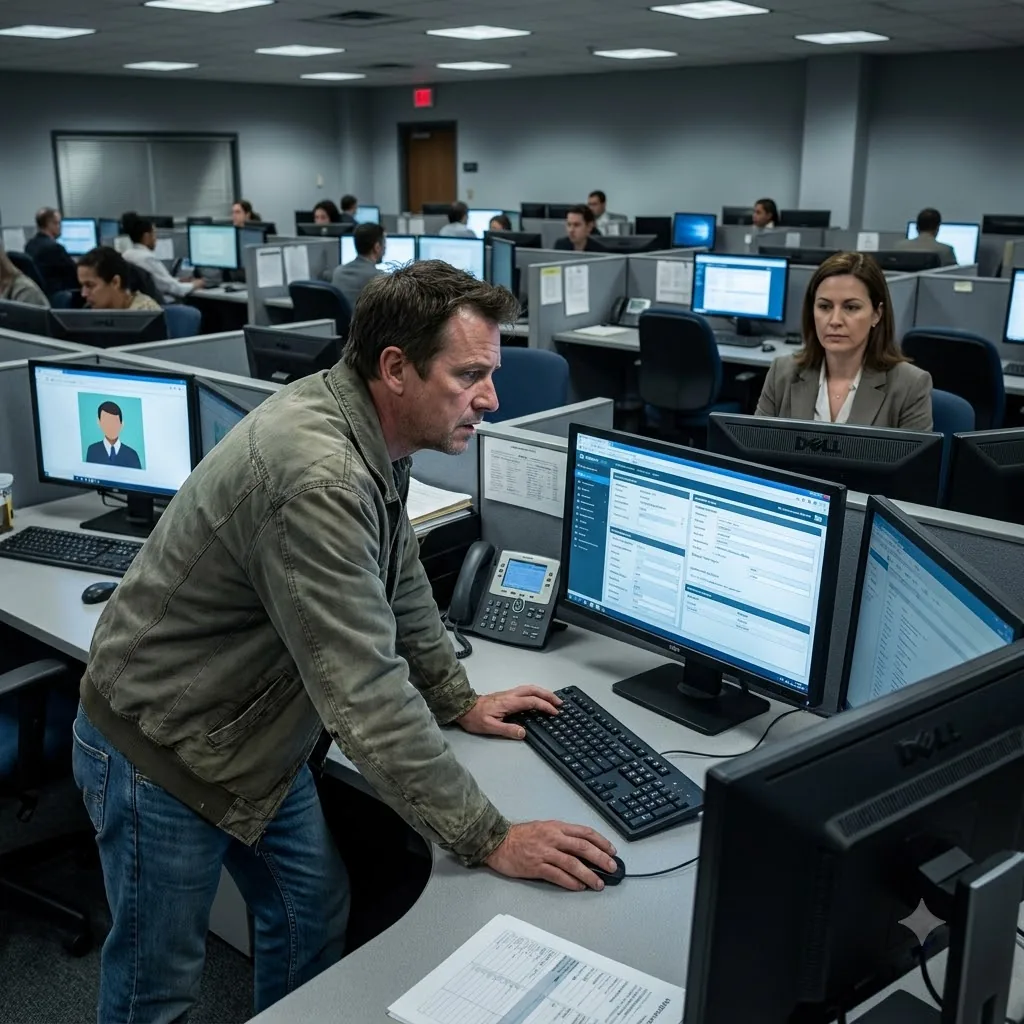
Darren Cole was standing in the virtual courthouse work lane with the digital deed open on the shared screen, and he kept clicking the wrong field while the room of live records watched him make my name look like the problem. He was the avatar landlord, the asset tag was already loaded, and the simple deed task had turned into a dependency trap in front of the metaverse_property_virtual_courthouse_weaponized_incompetence_checkmate_texture display. The first visible harm was not the deed itself. It was the way he dumped the responsibility on me and made it look official.
“Can you just fix it, Iris?” he said, still smiling at the screen instead of looking at me. “It keeps jumping back.”
It was not jumping back. I could see his cursor. He was dragging the wrong parcel line into the wrong owner box, then pausing long enough for the system to catch the mistake, then doing it again like he had never seen a basic filing panel before. The deed panel flashed red, the validation bar stalled, and the session log kept ticking in the corner with every attempt. Nina Walsh, the courtroom admin, sat at the far end of the service bay with her ledger pane open, reading the file without saying a word.
Darren leaned closer to my station. “You work these screens all day. Show me where it goes.”
That was the shape of it from the first minute. He had arrived with a polished smile and a claim that he was “not great with the system,” then he had handed me the deed token as if I were there to finish his job. The room was not loud. It was worse than loud. Every click was visible. Every failed save wrote itself into the live record in plain text. A clerk on the opposite lane glanced over once, saw the red error line, and went back to her own panel.
I kept my hands on my keyboard and read the screen before I answered. The property ID matched the file. The deed object matched the transfer. The missing piece was not technical. It was him refusing to use the correct field after I already pointed to it twice.
“Mr. Cole,” I said, keeping my voice even, “you need to move the parcel reference into the grantee slot, not the memo field.”
He made a short breath through his nose and nodded like he had heard me. Then he clicked the memo field again.
The red banner widened across the top of the deed window: INVALID TRANSFER PATH. The system auto-stamped the attempt and added his avatar name to the failure line. He pulled back from the screen and spread one hand toward me, all clean frustration and staged helplessness.
“It’s doing it again. I think your side of the session is lagging.”
Nina’s eyes moved to the log, then to me, then back to the log. She did not speak yet. I could see the time stamps stacking. 10:14. 10:15. 10:16. Each repeat showed the same wrong move from Darren’s cursor and the same denial in his voice.
He pushed the deed token farther across my station. “Just take over. It’ll be faster if you do it.”
That was the first visible harm in full view: the work, the blame, and the risk all sliding toward me because he kept missing a step that was already on the screen. The room stayed quiet except for the soft system chime when the file rejected another attempt. I reached for the token, then stopped when I saw a new line appear in the session log. Not a failure line this time. A permission prompt.
It had not been there before.
The deed panel opened a second path underneath the main transfer box, one I had not seen on the first pass. It was labeled with Darren’s avatar handle and a manual authorization request that only showed up after repeated invalid entries. I looked at the line, then at him, and he was already moving his hand toward the confirmation icon like he knew exactly where it was.
That was the first thing in the room that did not match the act he had been putting on.
Darren Cole was standing in the virtual courthouse work lane with the digital deed open on the shared screen, and he kept clicking the wrong field while the room of live records watched him make my name look like the problem. He was the avatar landlord, the asset tag was already loaded, and the simple deed task had turned into a dependency trap in front of the metaverse_property_virtual_courthouse_weaponized_incompetence_checkmate_texture display. The first visible harm was not the deed itself. It was the way he dumped the responsibility on me and made it look official.
“Can you just fix it, Iris?” he said, still smiling at the screen instead of looking at me. “It keeps jumping back.”
It was not jumping back. I could see his cursor. He was dragging the wrong parcel line into the wrong owner box, then pausing long enough for the system to catch the mistake, then doing it again like he had never seen a basic filing panel before. The deed panel flashed red, the validation bar stalled, and the session log kept ticking in the corner with every attempt. Nina Walsh, the courtroom admin, sat at the far end of the service bay with her ledger pane open, reading the file without saying a word.
Darren leaned closer to my station. “You work these screens all day. Show me where it goes.”
That was the shape of it from the first minute. He had arrived with a polished smile and a claim that he was “not great with the system,” then he had handed me the deed token as if I were there to finish his job. The room was not loud. It was worse than loud. Every click was visible. Every failed save wrote itself into the live record in plain text. A clerk on the opposite lane glanced over once, saw the red error line, and went back to her own panel.
I kept my hands on my keyboard and read the screen before I answered. The property ID matched the file. The deed object matched the transfer. The missing piece was not technical. It was him refusing to use the correct field after I already pointed to it twice.
“Mr. Cole,” I said, keeping my voice even, “you need to move the parcel reference into the grantee slot, not the memo field.”
He made a short breath through his nose and nodded like he had heard me. Then he clicked the memo field again.
The red banner widened across the top of the deed window: INVALID TRANSFER PATH. The system auto-stamped the attempt and added his avatar name to the failure line. He pulled back from the screen and spread one hand toward me, all clean frustration and staged helplessness.
“It’s doing it again. I think your side of the session is lagging.”
Nina’s eyes moved to the log, then to me, then back to the log. She did not speak yet. I could see the time stamps stacking. 10:14. 10:15. 10:16. Each repeat showed the same wrong move from Darren’s cursor and the same denial in his voice.
He pushed the deed token farther across my station. “Just take over. It’ll be faster if you do it.”
That was the first visible harm in full view: the work, the blame, and the risk all sliding toward me because he kept missing a step that was already on the screen. The room stayed quiet except for the soft system chime when the file rejected another attempt. I reached for the token, then stopped when I saw a new line appear in the session log. Not a failure line this time. A permission prompt.
It had not been there before.
The deed panel opened a second path underneath the main transfer box, one I had not seen on the first pass. It was labeled with Darren’s avatar handle and a manual authorization request that only showed up after repeated invalid entries. I looked at the line, then at him, and he was already moving his hand toward the confirmation icon like he knew exactly where it was.
That was the first thing in the room that did not match the act he had been putting on.