Story code: ST-000902
Part 1: My Follow-Up Was Already Open
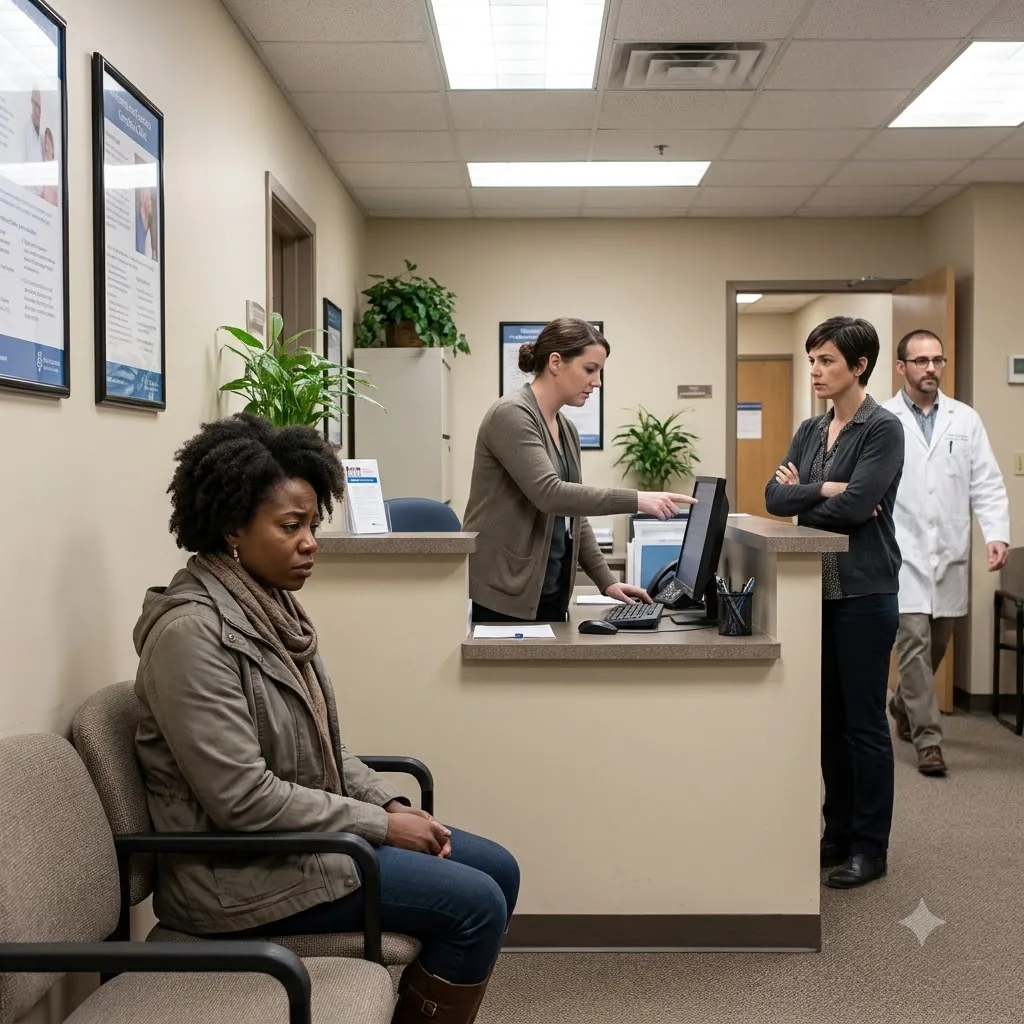
I knew something was wrong before I sat down because the woman at the desk in Mercer Genetics Center said, “You’re here for the follow-up on the edit flag, right?” like I had already discussed it with somebody, and the lab report clipped to my intake clipboard had a yellow tab on a page I had never seen. I was there for a routine hereditary testing follow-up, not anything with an edit flag, and in that private clinic hallway, with people carrying specimen trays past me, my own body suddenly felt like a file other people had been passing around.
I said, “I think you have me confused with someone else.”
The receptionist looked at my chart, then at me, then gave the practiced smile people use when they want you to settle down before they’ve told you anything useful. “Dr. Patel will go over it with you. If you can just update your intake and confirm the portal contact note.”
Portal contact note.
I took the clipboard because refusing it in a waiting room full of people felt like making a scene I did not understand yet. My name, Leah Mercer, was on the top page. So was my birth date. Under the usual insurance and medication questions, there was a printed line that said AUTHORIZED FAMILY DISCUSSION CONTACT: ON FILE. I had never authorized family discussion on anything genetic. I am careful about that kind of thing to the point of being annoying.
I drew a line through it.
When I handed the clipboard back, the receptionist glanced at my correction and said, “Oh. I thought your sister had already-” Then she stopped so hard I heard her teeth click.
“My sister had already what?” I asked.
She pressed the papers together. “I’m sorry. I shouldn’t speculate. Mara can help you in the consult room.”
That was the first moment it crossed from clerical mess into something uglier. Rachel worked in biotech. Not at this clinic, not as my doctor, but close enough to this world that she always talked like she knew which doors were real and which ones were just for patients. She had opinions about my testing from the day I ordered it. She called it “useful family data” once, and I told her it was my body, not a group project. We had not spoken much since.
Mara Doyle came to get me a few minutes later with a visitor badge sticker still half stuck to her sleeve. She was warm in the careful way clinic people are warm, already walking while she said my name. She led me into a private consult room and set a paper lab report on the little table beside the tissue box.
“Dr. Patel will be right in,” she said. “She just wants to review the routing notes first.”
“Routing notes for what?”
Mara’s fingers flattened on the report. “For the file update.”
“What file update?”
Her hand lifted off the paper. “She’ll explain better than I can.”
That answer did something cold to me. I pulled the report closer before she could take it back. The first page looked familiar enough: my name, accession number, specimen date, follow-up visit type. But tucked behind it was an addendum page with language I had never seen in my portal summary. The top right corner had a smaller barcode label and a line that said REVIEW PATHWAY: CLINICAL CONSULT REQUESTED. Below that was another line: PRIOR FAMILY CONTEXT NOTED.
I read it twice.
“What does that mean?” I asked.
Mara looked at the door instead of at me. “Dr. Patel can explain the categories.”
“No, I mean those words. Prior family context noted by who?”
Her mouth opened, then closed. “I can only tell you what appears on the patient-facing copy.”
Patient-facing copy. Not full copy. The room felt smaller after that.
Dr. Nina Patel came in carrying a tablet and speaking in the smooth, brisk tone of somebody trying to keep an ordinary appointment ordinary. She asked if I had questions about my hereditary risk markers and whether I understood why additional counseling might be recommended.
“I don’t understand why there is an addendum in my report,” I said. “And I definitely don’t understand why your front desk thought my sister had already discussed this with you.”
Dr. Patel stopped touching the tablet. “Your sister?”
“Rachel Mercer.”
She gave me a quick, unreadable look and then reached for the paper report instead. “Let me make sure we’re talking about the same notation.”
She turned to the addendum page, and I watched her face change only in tiny ways: a blink, a pause that lasted one beat too long, her thumb shifting over the margin where the barcode label had been placed.
“This notation means additional context was attached before final counseling review,” she said.
“Attached by me?”
Another pause. “The system reflects family-linked context in some cases.”
“I didn’t provide any.”
“Sometimes information comes in through connected intake or prior contact.”
“Prior contact by who?”
This time she answered too carefully. “I would want to verify the access trail before I say more.”
Access trail.
I looked down at the report again, at the yellow tab, at the addendum page I had never seen in my portal, at the line about family context, and then at the intake form where someone had printed an authorization I never gave. Rachel had texted me two nights earlier, out of nowhere: Make sure you actually ask to see the full report, not just the summary.
I had thought she was being nosy.
Sitting there with my own lab report under my hands, I realized there was only one reason my sister would know there was a fuller version for me to ask for.
I knew something was wrong before I sat down because the woman at the desk in Mercer Genetics Center said, “You’re here for the follow-up on the edit flag, right?” like I had already discussed it with somebody, and the lab report clipped to my intake clipboard had a yellow tab on a page I had never seen. I was there for a routine hereditary testing follow-up, not anything with an edit flag, and in that private clinic hallway, with people carrying specimen trays past me, my own body suddenly felt like a file other people had been passing around.
I said, “I think you have me confused with someone else.”
The receptionist looked at my chart, then at me, then gave the practiced smile people use when they want you to settle down before they’ve told you anything useful. “Dr. Patel will go over it with you. If you can just update your intake and confirm the portal contact note.”
Portal contact note.
I took the clipboard because refusing it in a waiting room full of people felt like making a scene I did not understand yet. My name, Leah Mercer, was on the top page. So was my birth date. Under the usual insurance and medication questions, there was a printed line that said AUTHORIZED FAMILY DISCUSSION CONTACT: ON FILE. I had never authorized family discussion on anything genetic. I am careful about that kind of thing to the point of being annoying.
I drew a line through it.
When I handed the clipboard back, the receptionist glanced at my correction and said, “Oh. I thought your sister had already-” Then she stopped so hard I heard her teeth click.
“My sister had already what?” I asked.
She pressed the papers together. “I’m sorry. I shouldn’t speculate. Mara can help you in the consult room.”
That was the first moment it crossed from clerical mess into something uglier. Rachel worked in biotech. Not at this clinic, not as my doctor, but close enough to this world that she always talked like she knew which doors were real and which ones were just for patients. She had opinions about my testing from the day I ordered it. She called it “useful family data” once, and I told her it was my body, not a group project. We had not spoken much since.
Mara Doyle came to get me a few minutes later with a visitor badge sticker still half stuck to her sleeve. She was warm in the careful way clinic people are warm, already walking while she said my name. She led me into a private consult room and set a paper lab report on the little table beside the tissue box.
“Dr. Patel will be right in,” she said. “She just wants to review the routing notes first.”
“Routing notes for what?”
Mara’s fingers flattened on the report. “For the file update.”
“What file update?”
Her hand lifted off the paper. “She’ll explain better than I can.”
That answer did something cold to me. I pulled the report closer before she could take it back. The first page looked familiar enough: my name, accession number, specimen date, follow-up visit type. But tucked behind it was an addendum page with language I had never seen in my portal summary. The top right corner had a smaller barcode label and a line that said REVIEW PATHWAY: CLINICAL CONSULT REQUESTED. Below that was another line: PRIOR FAMILY CONTEXT NOTED.
I read it twice.
“What does that mean?” I asked.
Mara looked at the door instead of at me. “Dr. Patel can explain the categories.”
“No, I mean those words. Prior family context noted by who?”
Her mouth opened, then closed. “I can only tell you what appears on the patient-facing copy.”
Patient-facing copy. Not full copy. The room felt smaller after that.
Dr. Nina Patel came in carrying a tablet and speaking in the smooth, brisk tone of somebody trying to keep an ordinary appointment ordinary. She asked if I had questions about my hereditary risk markers and whether I understood why additional counseling might be recommended.
“I don’t understand why there is an addendum in my report,” I said. “And I definitely don’t understand why your front desk thought my sister had already discussed this with you.”
Dr. Patel stopped touching the tablet. “Your sister?”
“Rachel Mercer.”
She gave me a quick, unreadable look and then reached for the paper report instead. “Let me make sure we’re talking about the same notation.”
She turned to the addendum page, and I watched her face change only in tiny ways: a blink, a pause that lasted one beat too long, her thumb shifting over the margin where the barcode label had been placed.
“This notation means additional context was attached before final counseling review,” she said.
“Attached by me?”
Another pause. “The system reflects family-linked context in some cases.”
“I didn’t provide any.”
“Sometimes information comes in through connected intake or prior contact.”
“Prior contact by who?”
This time she answered too carefully. “I would want to verify the access trail before I say more.”
Access trail.
I looked down at the report again, at the yellow tab, at the addendum page I had never seen in my portal, at the line about family context, and then at the intake form where someone had printed an authorization I never gave. Rachel had texted me two nights earlier, out of nowhere: Make sure you actually ask to see the full report, not just the summary.
I had thought she was being nosy.
Sitting there with my own lab report under my hands, I realized there was only one reason my sister would know there was a fuller version for me to ask for.