Story code: ST-000247
Part 1: He Said Her Care Was a Takeover
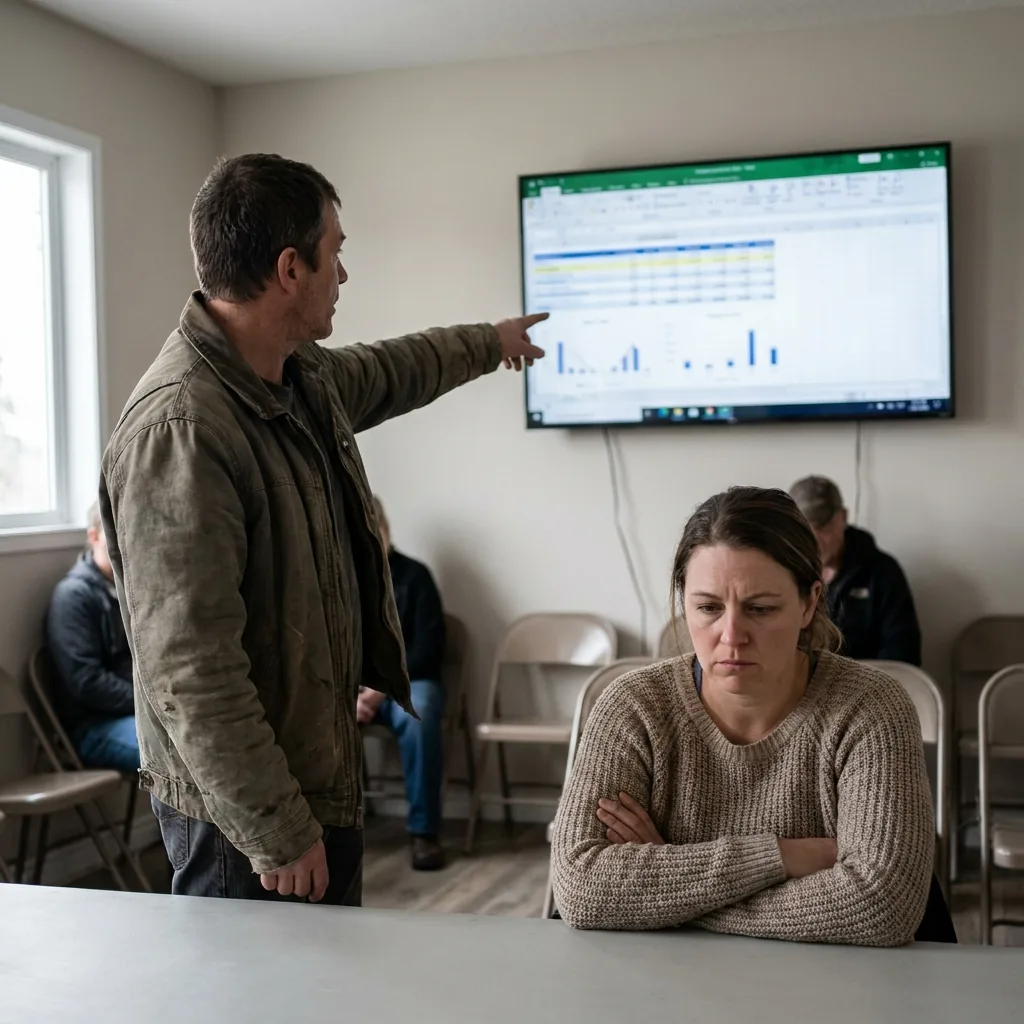
Darren Pike stood in the middle of a virtual courthouse chamber, pointed at Maya Bennett’s maintenance queue on the courthouse display feed, and told the room she had used her sister’s metaverse home like it was her own. He said that while Lena Bennett’s parcel flickered in a side window with half-loaded walls and disabled access prompts, and while support avatars drifted through the queue corridor outside like people waiting at the DMV. The ugly part was that Maya was only there because she had kept Lena’s place running, and Darren was trying to turn that care into proof that she had interfered.
I was in the observer band when Hector Ruiz, the review clerk, pulled the case into the chamber. The room looked like every commercial platform hearing room tries to look: polished wood textures that never age, a muted seal hovering over the clerk’s station, a transparent evidence pane waiting to be filled. There was no jury, no dramatic stagecraft. Just timestamps, permissions, and whoever had enough records to survive them.
Darren arrived with the kind of avatar styling people choose when they want authority to do half the work for them. Clean suit skin, neutral voice filter, a deed-tab already pinned beside his name. He started broad.
“She exceeded caretaker access,” he said. “Routine assistance became unauthorized control. The property condition dropped under her watch. I’m asking the court to recognize that she created instability and blocked proper management.”
He said it smoothly, like he had practiced making help sound predatory.
Maya did not interrupt. That matched the way she had come in, with archived screenshots stacked in order and transfer notices queued in a private tray. Her avatar was plain compared to his, but her evidence tabs were named by date and function instead of by emotion. Nia Bennett stood just behind her in the family support row, arms folded, eyes on the display.
Hector did not respond to Darren’s tone. He only said, “State the property relation for the record.”
Darren lifted the deed tab. “Landlord authority over parcel B-19, resident Lena Bennett, contested caretaker behavior by Maya Bennett.”
Then Hector turned to Maya. “Your response.”
Maya kept her voice level. “I maintained my sister’s home when key functions failed. I paid the overdue utility scripts twice, reset visitor permissions after lockouts, filed repair tickets for the wall-collapse glitch, and preserved the support replies. If helping her keep access is being called control, then the log will have to show that.”
That sentence changed the room more than any shouting could have. Not because it sounded dramatic. Because she named work that would either be in the record or not.
Darren shifted to the familiar accusation again. “Caretaking is not ownership. People hide behind family language when they want leverage.”
Nia spoke before anyone asked her to. “Leverage didn’t clear Lena’s payment flags at two in the morning.”
Hector lifted one hand and the chamber muted her mic automatically. “Witnesses will speak when called.” Then he looked back at the feed. “The visible issue before this court is whether caretaking actions were necessary upkeep or unauthorized interference. We will proceed by record.”
That was the first clean sentence anybody had said.
Lena’s avatar appeared in the resident window a moment later. The platform marked her with restricted account icons along the edge of her profile. Her connection lagged just enough to leave a faint double outline when she moved.
Hector asked, “Ms. Bennett, are you currently able to maintain your parcel without assistance?”
Lena answered in the short way people do when they are tired of being translated by other people. “Not all of it. Some tools won’t open for me now.”
“Who completed the last repair requests?” Hector asked.
“Maya,” Lena said. “Or Nia when Maya was at work. Darren talked a lot in messages.”
Darren cut in immediately. “That is exactly the problem. The family normalized informal control until the condition worsened.”
Hector looked at him, then back at the evidence pane. “Condition worsened on what dates?”
There was a pause long enough for the courthouse ambient loop to become noticeable again: soft footsteps in the queue corridor, the hum of panels refreshing, the little sound cue when a document is pinned to review.
Darren named three dates. He did it with confidence. He said Maya had neglected the property on each one while still acting as if she controlled it.
Maya finally moved. She slid one screenshot into the public pane. It showed a support archive panel with one of those dates stamped across the top and a maintenance ticket marked resolved after a utility reset. The user attached to the ticket was Maya Bennett.
She did not speechify. She only said, “That’s the first date.”
Then she pinned a second screenshot. Another of Darren’s dates. Another resolved task. Permission repair. Completed by Maya.
Nia let out one short breath through her nose. Lena leaned closer to her own feed.
Darren’s voice stayed polished, but now he had to speak around the images already hanging in the air. “Selective records can hide a larger pattern.”
Hector nodded once. “They can. Which is why we will need the full care log timeline.”
That was where the hearing changed shape. Until then, Darren had been accusing Maya of acting like an owner. But the moment the clerk called for the full timeline, the question stopped being whether she had touched the home too much. It became who had actually kept it alive, and who only liked the language of responsibility when no timestamps were attached.
Hector opened the request window for the complete log, and the first lines began loading under the digital deed record. Darren had just sworn Maya caused the decline. The system was about to show who was actually there on those exact days.
Darren Pike stood in the middle of a virtual courthouse chamber, pointed at Maya Bennett’s maintenance queue on the courthouse display feed, and told the room she had used her sister’s metaverse home like it was her own. He said that while Lena Bennett’s parcel flickered in a side window with half-loaded walls and disabled access prompts, and while support avatars drifted through the queue corridor outside like people waiting at the DMV. The ugly part was that Maya was only there because she had kept Lena’s place running, and Darren was trying to turn that care into proof that she had interfered.
I was in the observer band when Hector Ruiz, the review clerk, pulled the case into the chamber. The room looked like every commercial platform hearing room tries to look: polished wood textures that never age, a muted seal hovering over the clerk’s station, a transparent evidence pane waiting to be filled. There was no jury, no dramatic stagecraft. Just timestamps, permissions, and whoever had enough records to survive them.
Darren arrived with the kind of avatar styling people choose when they want authority to do half the work for them. Clean suit skin, neutral voice filter, a deed-tab already pinned beside his name. He started broad.
“She exceeded caretaker access,” he said. “Routine assistance became unauthorized control. The property condition dropped under her watch. I’m asking the court to recognize that she created instability and blocked proper management.”
He said it smoothly, like he had practiced making help sound predatory.
Maya did not interrupt. That matched the way she had come in, with archived screenshots stacked in order and transfer notices queued in a private tray. Her avatar was plain compared to his, but her evidence tabs were named by date and function instead of by emotion. Nia Bennett stood just behind her in the family support row, arms folded, eyes on the display.
Hector did not respond to Darren’s tone. He only said, “State the property relation for the record.”
Darren lifted the deed tab. “Landlord authority over parcel B-19, resident Lena Bennett, contested caretaker behavior by Maya Bennett.”
Then Hector turned to Maya. “Your response.”
Maya kept her voice level. “I maintained my sister’s home when key functions failed. I paid the overdue utility scripts twice, reset visitor permissions after lockouts, filed repair tickets for the wall-collapse glitch, and preserved the support replies. If helping her keep access is being called control, then the log will have to show that.”
That sentence changed the room more than any shouting could have. Not because it sounded dramatic. Because she named work that would either be in the record or not.
Darren shifted to the familiar accusation again. “Caretaking is not ownership. People hide behind family language when they want leverage.”
Nia spoke before anyone asked her to. “Leverage didn’t clear Lena’s payment flags at two in the morning.”
Hector lifted one hand and the chamber muted her mic automatically. “Witnesses will speak when called.” Then he looked back at the feed. “The visible issue before this court is whether caretaking actions were necessary upkeep or unauthorized interference. We will proceed by record.”
That was the first clean sentence anybody had said.
Lena’s avatar appeared in the resident window a moment later. The platform marked her with restricted account icons along the edge of her profile. Her connection lagged just enough to leave a faint double outline when she moved.
Hector asked, “Ms. Bennett, are you currently able to maintain your parcel without assistance?”
Lena answered in the short way people do when they are tired of being translated by other people. “Not all of it. Some tools won’t open for me now.”
“Who completed the last repair requests?” Hector asked.
“Maya,” Lena said. “Or Nia when Maya was at work. Darren talked a lot in messages.”
Darren cut in immediately. “That is exactly the problem. The family normalized informal control until the condition worsened.”
Hector looked at him, then back at the evidence pane. “Condition worsened on what dates?”
There was a pause long enough for the courthouse ambient loop to become noticeable again: soft footsteps in the queue corridor, the hum of panels refreshing, the little sound cue when a document is pinned to review.
Darren named three dates. He did it with confidence. He said Maya had neglected the property on each one while still acting as if she controlled it.
Maya finally moved. She slid one screenshot into the public pane. It showed a support archive panel with one of those dates stamped across the top and a maintenance ticket marked resolved after a utility reset. The user attached to the ticket was Maya Bennett.
She did not speechify. She only said, “That’s the first date.”
Then she pinned a second screenshot. Another of Darren’s dates. Another resolved task. Permission repair. Completed by Maya.
Nia let out one short breath through her nose. Lena leaned closer to her own feed.
Darren’s voice stayed polished, but now he had to speak around the images already hanging in the air. “Selective records can hide a larger pattern.”
Hector nodded once. “They can. Which is why we will need the full care log timeline.”
That was where the hearing changed shape. Until then, Darren had been accusing Maya of acting like an owner. But the moment the clerk called for the full timeline, the question stopped being whether she had touched the home too much. It became who had actually kept it alive, and who only liked the language of responsibility when no timestamps were attached.
Hector opened the request window for the complete log, and the first lines began loading under the digital deed record. Darren had just sworn Maya caused the decline. The system was about to show who was actually there on those exact days.