Story code: ST-000082
Part 1: The Vial Was Already Out
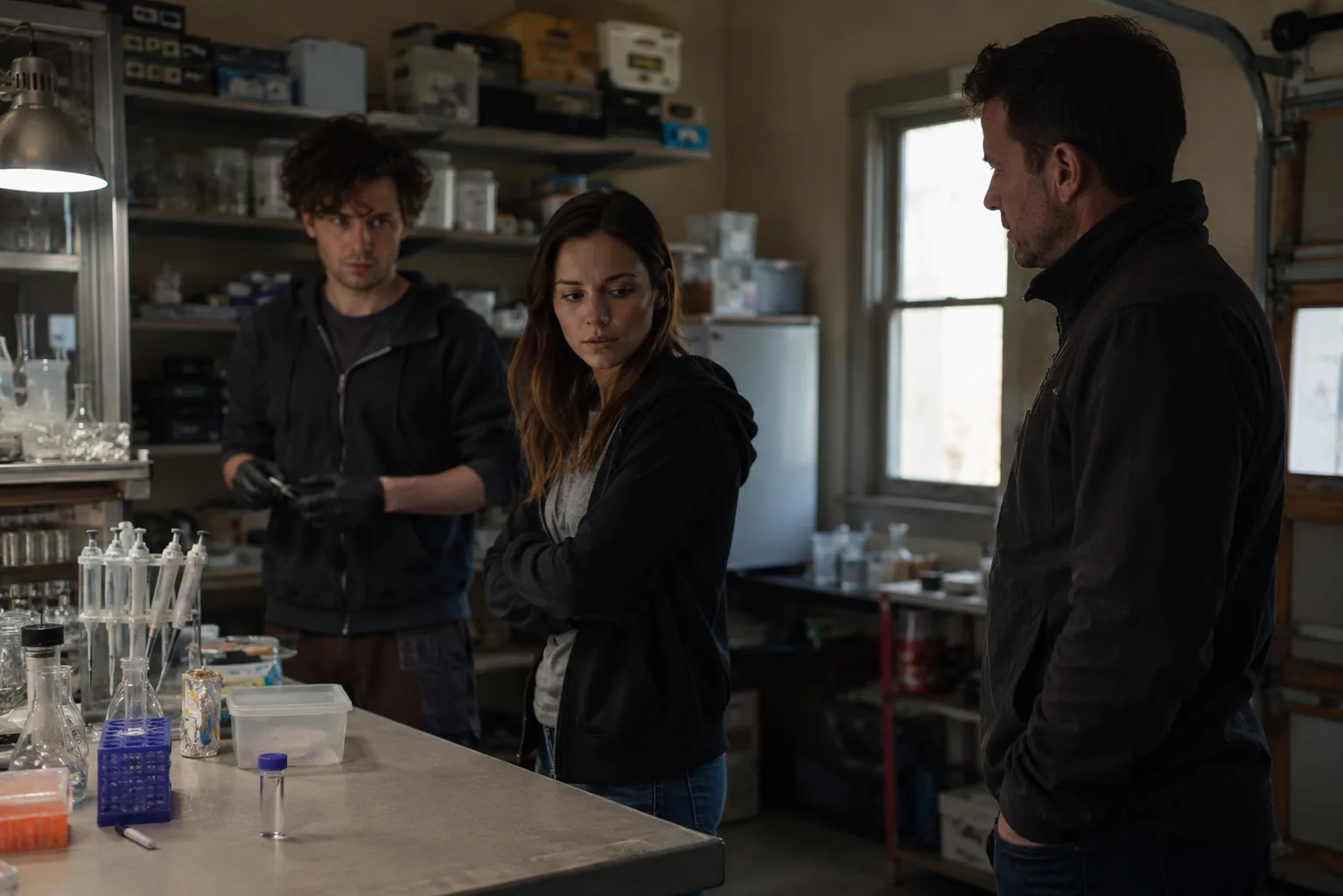
The first thing I saw in my garage lab was the test vial sitting three inches from where I left it, still capped, still marked, but no longer in the rack where it belonged. Mark was in there too, leaning over my workbench like he had every right to be, in the middle of my garage lab, moving around my test vial under the bright task light while the rest of the family kept doing ordinary things outside the open door.
That was the part that landed hardest: not just that he was in the biohacking_family_garage_lab_private_boundary_violation, but that he had crossed into the micro-location where I keep the labeled trays, the sealed sleeves, and the small things that only make sense if you know the layout. The room was still set up for ordinary activity inside garage lab mode. A fan was humming. A timer on the shelf was ticking down. The work mat still had a wet ring from the rinse cycle I had finished ten minutes earlier. None of that matched what I was seeing now.
I stopped in the doorway and looked at the vial again. The cap was clean, but the dust line under the base had been broken. Someone had lifted it. Someone had set it down. And the only person inside who moved with that kind of easy familiarity was my cousin Mark.
He did not look surprised to see me. He was holding one of my marker pens in his hand, the fine-tip one with the worn gray grip. He rolled it once between his fingers and set it down near the vial instead of back where it belonged. “You’re back early,” he said.
I did not answer that first. I looked at the tray. One compartment was empty. The strip of tape I use to mark opened items had been peeled back at one corner and pressed down again, not neatly, just enough to hide the lift. There were two gloves on the bench, one inside out, one right side out. That kind of mismatch only shows up when somebody is in a hurry or trying to make the scene look untouched.
“This was moved,” I said.
Mark gave a short shrug and looked past me toward the driveway. “I was just checking something.”
“Checking what?”
He reached for the vial, then stopped when I stepped closer. Not a big motion. Just enough for the distance to matter. “I figured it was one of yours,” he said.
It was mine. The label had my handwriting, the date, the batch note, the little slash I put through anything that has been opened and reset. That vial was part of the proof lane object in this room. It was the kind of thing that told you whether a hand had been here before a story got invented around it.
I looked at the shelf above the bench. A cotton swab pack was gone from the row. The outer wrapper sat in the trash, folded once, which meant somebody had opened it here and tried to flatten the evidence afterward. Next to it was a cap cleaner I keep turned backward so I can tell at a glance when it has been used. It was forward now.
“You were in my stuff,” I said.
Mark let out a quick breath through his nose. “You always make it sound worse than it is.”
“No. I’m making it exact.” I pointed at the vial. “That was not in that spot when I left.”
He looked at the bench, then at me, then back at the vial. Across the yard, my uncle was laughing at something by the grill. Inside the garage, nobody else moved. The fan kept humming. The timer kept ticking. That was the strange part of it: the room held steady while the boundary had already been crossed.
I picked up the vial without opening it. The base was warmer than the air around it, which meant it had not been sitting there long. There was a faint thumbprint on the clear plastic, right where the label stopped. Not enough to make a story on its own. Enough to make a question.
“Who else was in here?” I asked.
Mark’s jaw tightened once. He did not answer right away. He looked at the open garage door, then at the rack where the missing swab pack had been, then at the vial in my hand.
That pause was the first real trail. Not the label. Not the dust. The pause.
Because if he had only walked through, he would have said so. If he had only looked, he would have pointed to what. Instead he stood there like he was measuring how much of the room had already seen him. And that left one problem I could not answer yet: if Mark had not taken the vial, then why was it warm, unseated, and handled inside a lab that nobody but family was supposed to enter without asking?
The first thing I saw in my garage lab was the test vial sitting three inches from where I left it, still capped, still marked, but no longer in the rack where it belonged. Mark was in there too, leaning over my workbench like he had every right to be, in the middle of my garage lab, moving around my test vial under the bright task light while the rest of the family kept doing ordinary things outside the open door.
That was the part that landed hardest: not just that he was in the biohacking_family_garage_lab_private_boundary_violation, but that he had crossed into the micro-location where I keep the labeled trays, the sealed sleeves, and the small things that only make sense if you know the layout. The room was still set up for ordinary activity inside garage lab mode. A fan was humming. A timer on the shelf was ticking down. The work mat still had a wet ring from the rinse cycle I had finished ten minutes earlier. None of that matched what I was seeing now.
I stopped in the doorway and looked at the vial again. The cap was clean, but the dust line under the base had been broken. Someone had lifted it. Someone had set it down. And the only person inside who moved with that kind of easy familiarity was my cousin Mark.
He did not look surprised to see me. He was holding one of my marker pens in his hand, the fine-tip one with the worn gray grip. He rolled it once between his fingers and set it down near the vial instead of back where it belonged. “You’re back early,” he said.
I did not answer that first. I looked at the tray. One compartment was empty. The strip of tape I use to mark opened items had been peeled back at one corner and pressed down again, not neatly, just enough to hide the lift. There were two gloves on the bench, one inside out, one right side out. That kind of mismatch only shows up when somebody is in a hurry or trying to make the scene look untouched.
“This was moved,” I said.
Mark gave a short shrug and looked past me toward the driveway. “I was just checking something.”
“Checking what?”
He reached for the vial, then stopped when I stepped closer. Not a big motion. Just enough for the distance to matter. “I figured it was one of yours,” he said.
It was mine. The label had my handwriting, the date, the batch note, the little slash I put through anything that has been opened and reset. That vial was part of the proof lane object in this room. It was the kind of thing that told you whether a hand had been here before a story got invented around it.
I looked at the shelf above the bench. A cotton swab pack was gone from the row. The outer wrapper sat in the trash, folded once, which meant somebody had opened it here and tried to flatten the evidence afterward. Next to it was a cap cleaner I keep turned backward so I can tell at a glance when it has been used. It was forward now.
“You were in my stuff,” I said.
Mark let out a quick breath through his nose. “You always make it sound worse than it is.”
“No. I’m making it exact.” I pointed at the vial. “That was not in that spot when I left.”
He looked at the bench, then at me, then back at the vial. Across the yard, my uncle was laughing at something by the grill. Inside the garage, nobody else moved. The fan kept humming. The timer kept ticking. That was the strange part of it: the room held steady while the boundary had already been crossed.
I picked up the vial without opening it. The base was warmer than the air around it, which meant it had not been sitting there long. There was a faint thumbprint on the clear plastic, right where the label stopped. Not enough to make a story on its own. Enough to make a question.
“Who else was in here?” I asked.
Mark’s jaw tightened once. He did not answer right away. He looked at the open garage door, then at the rack where the missing swab pack had been, then at the vial in my hand.
That pause was the first real trail. Not the label. Not the dust. The pause.
Because if he had only walked through, he would have said so. If he had only looked, he would have pointed to what. Instead he stood there like he was measuring how much of the room had already seen him. And that left one problem I could not answer yet: if Mark had not taken the vial, then why was it warm, unseated, and handled inside a lab that nobody but family was supposed to enter without asking?