Story code: ST-001305
Part 1: The Duplicate Pass
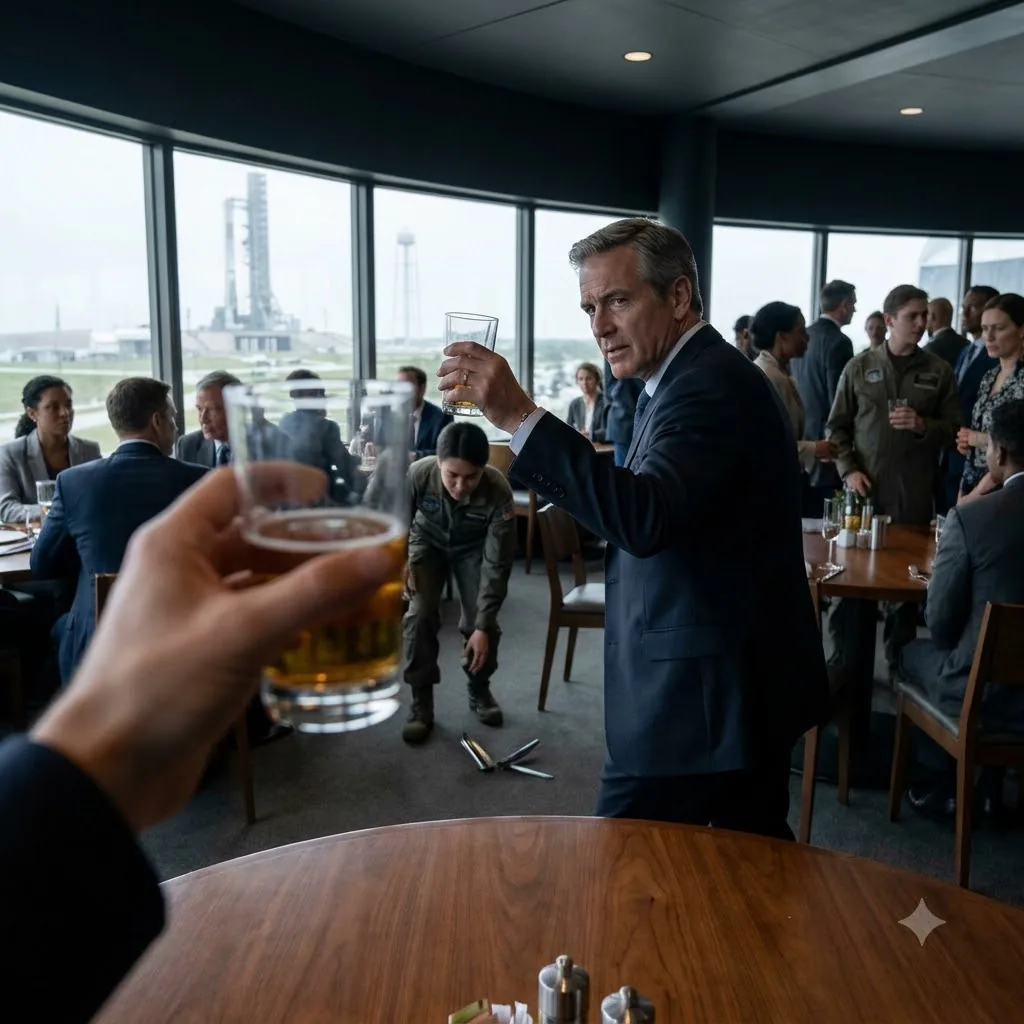
I was sitting at the head table in the Vanguard Launch Terminal VIP Dining Room, raising a glass to my father, Richard Vance, when the metallic clang of a dropped Titanium Boarding Pass shattered our celebratory toast. I reached down to retrieve the card before it slid under the waiter’s cart, only to see my father’s face printed next to an unfamiliar name and a different registry number. My mother, Clara Vance, was still smiling, oblivious to the fact that this single card threatened the colonization dream I had spent my entire life preparing for.
“I’ve got it,” my father said quickly. His arm shot out, his fingers twitching as he snatched the titanium card from my hand. He shoved it into the pocket of his tailored jacket, his movements rigid, a sharp contrast to his usual calculated grace as the mission sponsor.
“What was that, dear?” Clara asked, setting her champagne glass down. “Did you drop your pass?”
“Just a test template,” Richard said, his voice flat. He offered her a reassuring smile that didn’t reach his eyes. “A dummy card for the pre-boarding gate calibration. Nothing to worry about.”
I kept my hands flat on the white tablecloth, my chest tightening. I had studied the Vanguard security protocols for three years to earn my spot in this cohort. Biometric passes were unique, hard-encrypted physical cards tied to a single genetic profile. There were no “dummy cards” printed with a sponsor’s actual photo under a different name. The card I had just held was labeled “Marcus Vance,” with a registry code that matched our family’s priority tier, but the biometric face printed on the light-sensitive metal was unmistakably my father’s.
“It looked like an active priority pass, Dad,” I said, keeping my voice quiet, even. “The registry prefix was Delta-Four.”
Richard’s gaze shifted to me, his jaw tightening. “You misread it, Leo. The lighting in these terminal dining rooms is notoriously dim. Let’s focus on the celebration. Tomorrow, you board the shuttle. That is what matters.”
“To Leo,” Clara added, lifting her glass again, her eyes shining with pride. “Our family’s representative on the red soil.”
I raised my glass, but the champagne tasted like lead. I stared at my father’s breast pocket, where the silver edge of the card peeked out. I had memorized the sequence printed at the bottom: 992-Delta-4. If my father had generated an unauthorized duplicate pass with a fake name, he was risking everything. The automated biometric gates at Gate 4 were absolute. Any registration discrepancy or duplicate biometric scan would trigger an immediate system lock, quarantine the passengers, and void our entire family’s flight status.
After Clara turned to speak with a group of visiting corporate delegates, I excused myself from the table. “Just going to wash up before the sponsor’s final toast,” I muttered.
Richard watched me walk away, his eyes tracking my movement toward the terminal corridors. He didn’t follow me immediately, but I could feel his stare burning into my back. I walked past the glass partitions showing the massive launch gantry outside, where the colony shuttle sat under the floodlights. I needed to get to a public terminal. I had to know why my father was carrying a second identity.
I was sitting at the head table in the Vanguard Launch Terminal VIP Dining Room, raising a glass to my father, Richard Vance, when the metallic clang of a dropped Titanium Boarding Pass shattered our celebratory toast. I reached down to retrieve the card before it slid under the waiter’s cart, only to see my father’s face printed next to an unfamiliar name and a different registry number. My mother, Clara Vance, was still smiling, oblivious to the fact that this single card threatened the colonization dream I had spent my entire life preparing for.
“I’ve got it,” my father said quickly. His arm shot out, his fingers twitching as he snatched the titanium card from my hand. He shoved it into the pocket of his tailored jacket, his movements rigid, a sharp contrast to his usual calculated grace as the mission sponsor.
“What was that, dear?” Clara asked, setting her champagne glass down. “Did you drop your pass?”
“Just a test template,” Richard said, his voice flat. He offered her a reassuring smile that didn’t reach his eyes. “A dummy card for the pre-boarding gate calibration. Nothing to worry about.”
I kept my hands flat on the white tablecloth, my chest tightening. I had studied the Vanguard security protocols for three years to earn my spot in this cohort. Biometric passes were unique, hard-encrypted physical cards tied to a single genetic profile. There were no “dummy cards” printed with a sponsor’s actual photo under a different name. The card I had just held was labeled “Marcus Vance,” with a registry code that matched our family’s priority tier, but the biometric face printed on the light-sensitive metal was unmistakably my father’s.
“It looked like an active priority pass, Dad,” I said, keeping my voice quiet, even. “The registry prefix was Delta-Four.”
Richard’s gaze shifted to me, his jaw tightening. “You misread it, Leo. The lighting in these terminal dining rooms is notoriously dim. Let’s focus on the celebration. Tomorrow, you board the shuttle. That is what matters.”
“To Leo,” Clara added, lifting her glass again, her eyes shining with pride. “Our family’s representative on the red soil.”
I raised my glass, but the champagne tasted like lead. I stared at my father’s breast pocket, where the silver edge of the card peeked out. I had memorized the sequence printed at the bottom: 992-Delta-4. If my father had generated an unauthorized duplicate pass with a fake name, he was risking everything. The automated biometric gates at Gate 4 were absolute. Any registration discrepancy or duplicate biometric scan would trigger an immediate system lock, quarantine the passengers, and void our entire family’s flight status.
After Clara turned to speak with a group of visiting corporate delegates, I excused myself from the table. “Just going to wash up before the sponsor’s final toast,” I muttered.
Richard watched me walk away, his eyes tracking my movement toward the terminal corridors. He didn’t follow me immediately, but I could feel his stare burning into my back. I walked past the glass partitions showing the massive launch gantry outside, where the colony shuttle sat under the floodlights. I needed to get to a public terminal. I had to know why my father was carrying a second identity.