Story code: ST-000918
Part 1: He Used a New Word and Took the Room
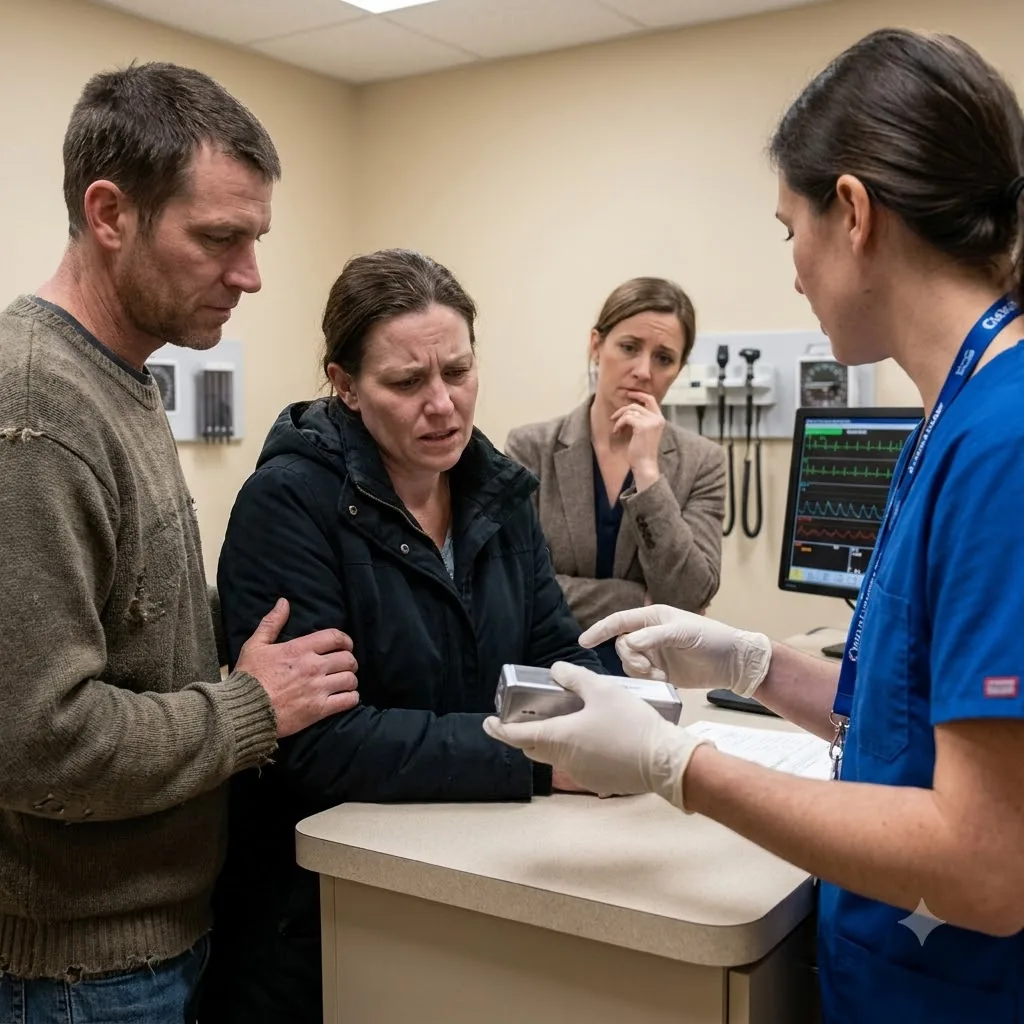
Dr. Colin Voss took my brother’s question, turned it into an insult, and did it with my clinic’s own equipment humming behind him. We were in the specialist room with the consciousness drive locked into the cradle between us, scan lights moving in a soft green sweep, and when Evan asked what Voss meant by “cognitive shear buffering,” Voss gave him a small smile and said, “If you need the remedial version, you may not be the right person to challenge stabilization protocol.” The drive was sitting there in plain view, my family was standing three feet away from it, and somehow the room started acting like humiliation was a normal step in care.
I was at the observation side console, not the lead specialist, just the worker assigned to keep the session on sequence and log any change in handling. Priya Shen stood at the equipment station with one hand near the diagnostic panel. Naomi had moved close enough to Evan that their sleeves kept brushing. Voss stood at the foot of the cradle like he had been placed there on purpose.
The room microphone was open. That mattered because everything said in that room attached itself to the session record.
Evan looked from Voss to the drive. “I’m asking what you’re doing to it,” he said. His voice stayed level, but he had started pressing his thumb against the edge of the authorization tablet hard enough for the skin to flatten. “You said there was a delay because of that shear buffering thing. What is that in plain English?”
Voss folded his hands. He had that smooth, measured cadence some people use when they want every sentence to sound already approved.
“Mr. Ellis, plain English is usually where families get themselves into trouble,” he said. “The drive’s continuity envelope is being protected from lay interference. That’s the short version.”
Naomi cut in right away. “That’s not a real answer. He asked what you’re changing.”
Voss turned his head toward her without moving the rest of his body. “And this is exactly why specialist terms exist. They prevent emotionally motivated misreads during a delicate transition.”
He didn’t raise his voice. He didn’t need to. He had picked the words carefully: lay interference, emotionally motivated, delicate transition. Every one of them shifted the room a little farther away from Evan and Naomi and a little closer to him.
Priya kept her eyes on the console. She had not confirmed anything Voss said. She had not contradicted him either. In a clinic room, silence from the person nearest the machine can sound like agreement if someone confident gets there first.
I said, “For the record, the family is requesting a plain-language description of the current handling step.”
That was as far as I could push without stepping out of my lane.
Voss gave me a glance so brief it felt practiced. “And for the record, support staff should be careful not to flatten highly technical processes into something misleading.”
Support staff. He made it sound like a correction and a warning at once.
Evan looked at the drive again. The cradle arms held it at an angle under the diagnostic strip, a sealed black cylinder no longer than my hand, with the port ring lit in white. Ordinary clinic motion kept going around this conversation. The coolant unit clicked on. A status bar rolled across Priya’s side screen. Someone in the hall laughed once and kept walking. Inside the room, Voss kept building a language that only he was allowed to speak.
“What exactly is a continuity envelope?” Evan asked.
Voss answered fast enough that the speed itself carried authority. “A provisional cognition perimeter established during post-biological migration. In this case, your family drive is showing minor asymmetry across the memory ingress seam, so we are using cognitive shear buffering to avoid identity drag during handoff.”
Naomi let out one short breath through her nose. “You just stacked three more fake answers on top of the first fake answer.”
Voss tilted his chin down a fraction, like she had confirmed something for him. “Ms. Ellis, frustration is understandable. It is not expertise.”
That landed. I watched it land because Evan’s mouth opened, then closed, and his eyes went to Priya as if he was checking whether anyone with actual access to the machine was going to say that was nonsense. Priya’s fingers rested over the console keys, still waiting for an exact operational request.
The worst part was how ordinary the pressure looked from the outside. No shouting. No threat anybody could point to. Just a polished man in a specialist room using terms nobody else recognized, and each question from the family treated as proof they had no standing to ask it.
Naomi said, “If it’s real, she can verify it.” She nodded toward Priya. “Can the console show whatever he just said?”
Before Priya could answer, Voss stepped in smoothly. “Not in a format meaningful to nontechnical observers. Raw diagnostics without interpretive training create panic and procedural drift.”
He said procedural drift like it was a known danger, like he had spent years protecting rooms from people like Evan.
Evan’s grip tightened on the tablet. “So the answer is I have to hand over control because I don’t know the password to your vocabulary?”
Voss gave him that same small smile again. “The answer is that competent people are trying to prevent you from making a permanent mistake based on an elementary misunderstanding of cognitive shear buffering.”
He said the term one more time, slower, like he was setting it in the middle of the room and daring anyone to touch it. Priya finally looked up from the console to the drive, then to Voss, and I saw her pause before she spoke at all.
Dr. Colin Voss took my brother’s question, turned it into an insult, and did it with my clinic’s own equipment humming behind him. We were in the specialist room with the consciousness drive locked into the cradle between us, scan lights moving in a soft green sweep, and when Evan asked what Voss meant by “cognitive shear buffering,” Voss gave him a small smile and said, “If you need the remedial version, you may not be the right person to challenge stabilization protocol.” The drive was sitting there in plain view, my family was standing three feet away from it, and somehow the room started acting like humiliation was a normal step in care.
I was at the observation side console, not the lead specialist, just the worker assigned to keep the session on sequence and log any change in handling. Priya Shen stood at the equipment station with one hand near the diagnostic panel. Naomi had moved close enough to Evan that their sleeves kept brushing. Voss stood at the foot of the cradle like he had been placed there on purpose.
The room microphone was open. That mattered because everything said in that room attached itself to the session record.
Evan looked from Voss to the drive. “I’m asking what you’re doing to it,” he said. His voice stayed level, but he had started pressing his thumb against the edge of the authorization tablet hard enough for the skin to flatten. “You said there was a delay because of that shear buffering thing. What is that in plain English?”
Voss folded his hands. He had that smooth, measured cadence some people use when they want every sentence to sound already approved.
“Mr. Ellis, plain English is usually where families get themselves into trouble,” he said. “The drive’s continuity envelope is being protected from lay interference. That’s the short version.”
Naomi cut in right away. “That’s not a real answer. He asked what you’re changing.”
Voss turned his head toward her without moving the rest of his body. “And this is exactly why specialist terms exist. They prevent emotionally motivated misreads during a delicate transition.”
He didn’t raise his voice. He didn’t need to. He had picked the words carefully: lay interference, emotionally motivated, delicate transition. Every one of them shifted the room a little farther away from Evan and Naomi and a little closer to him.
Priya kept her eyes on the console. She had not confirmed anything Voss said. She had not contradicted him either. In a clinic room, silence from the person nearest the machine can sound like agreement if someone confident gets there first.
I said, “For the record, the family is requesting a plain-language description of the current handling step.”
That was as far as I could push without stepping out of my lane.
Voss gave me a glance so brief it felt practiced. “And for the record, support staff should be careful not to flatten highly technical processes into something misleading.”
Support staff. He made it sound like a correction and a warning at once.
Evan looked at the drive again. The cradle arms held it at an angle under the diagnostic strip, a sealed black cylinder no longer than my hand, with the port ring lit in white. Ordinary clinic motion kept going around this conversation. The coolant unit clicked on. A status bar rolled across Priya’s side screen. Someone in the hall laughed once and kept walking. Inside the room, Voss kept building a language that only he was allowed to speak.
“What exactly is a continuity envelope?” Evan asked.
Voss answered fast enough that the speed itself carried authority. “A provisional cognition perimeter established during post-biological migration. In this case, your family drive is showing minor asymmetry across the memory ingress seam, so we are using cognitive shear buffering to avoid identity drag during handoff.”
Naomi let out one short breath through her nose. “You just stacked three more fake answers on top of the first fake answer.”
Voss tilted his chin down a fraction, like she had confirmed something for him. “Ms. Ellis, frustration is understandable. It is not expertise.”
That landed. I watched it land because Evan’s mouth opened, then closed, and his eyes went to Priya as if he was checking whether anyone with actual access to the machine was going to say that was nonsense. Priya’s fingers rested over the console keys, still waiting for an exact operational request.
The worst part was how ordinary the pressure looked from the outside. No shouting. No threat anybody could point to. Just a polished man in a specialist room using terms nobody else recognized, and each question from the family treated as proof they had no standing to ask it.
Naomi said, “If it’s real, she can verify it.” She nodded toward Priya. “Can the console show whatever he just said?”
Before Priya could answer, Voss stepped in smoothly. “Not in a format meaningful to nontechnical observers. Raw diagnostics without interpretive training create panic and procedural drift.”
He said procedural drift like it was a known danger, like he had spent years protecting rooms from people like Evan.
Evan’s grip tightened on the tablet. “So the answer is I have to hand over control because I don’t know the password to your vocabulary?”
Voss gave him that same small smile again. “The answer is that competent people are trying to prevent you from making a permanent mistake based on an elementary misunderstanding of cognitive shear buffering.”
He said the term one more time, slower, like he was setting it in the middle of the room and daring anyone to touch it. Priya finally looked up from the console to the drive, then to Voss, and I saw her pause before she spoke at all.