Story code: ST-001053
Part 1: He Said the Promise Never Existed
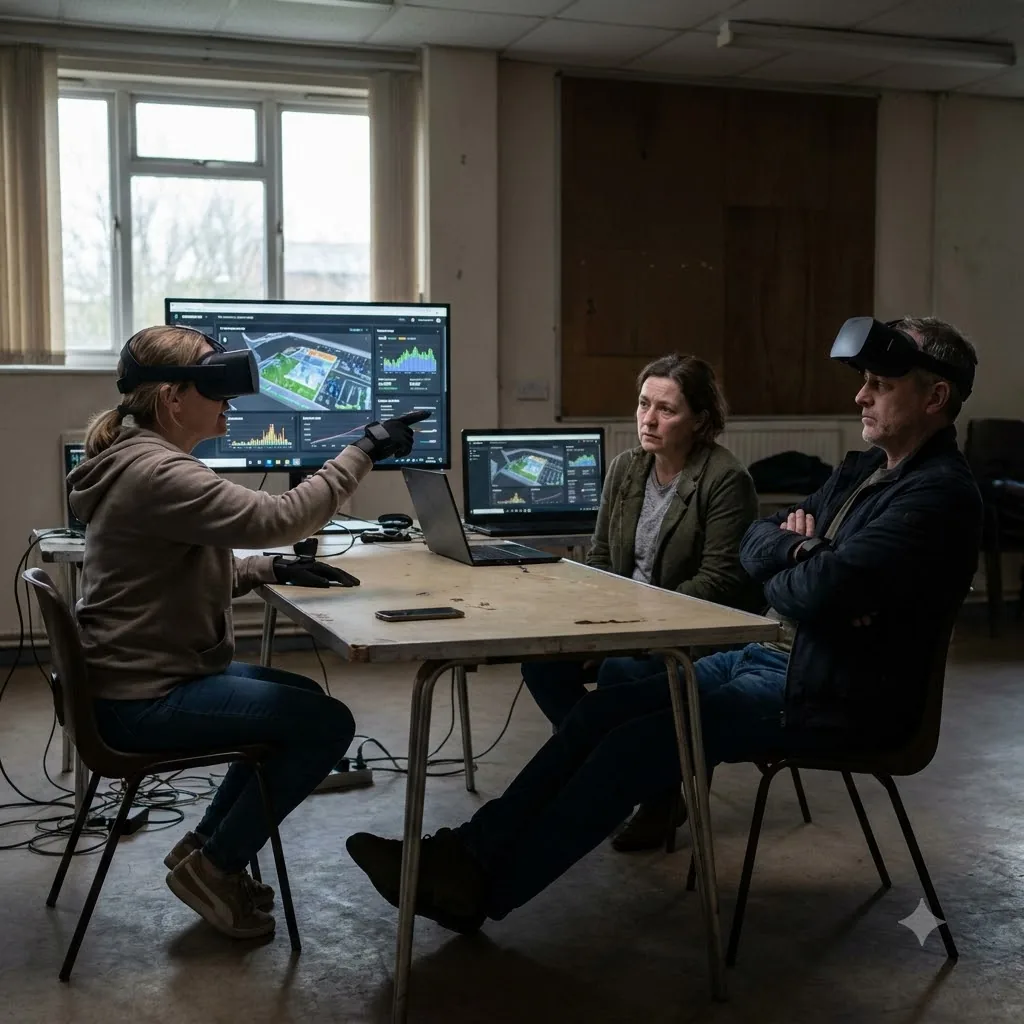
By the time Mara Chen pulled the deed layer onto the wall in Virtual Courthouse Hall Seven, Evan Slate had already done the damage. He stood in his polished landlord avatar and said, in a flat voice that carried across the small chamber, that Tessa Ward had imagined being promised a permanent right to Harbor House 3A. The room went still around the glowing deed, the attendance tiles, and the ordinary courthouse motions of mute icons blinking on and off, and for one hard second Tessa looked like the only person there who had misunderstood her own life.
Mara kept her hands inside the session controls and watched the active windows. Judge Nolan Pike sat behind the bench skin the platform assigned adjudicators, clean lines and no decoration, while Luis Mercer stayed off to the side in the resident witness row. Luis had come in with the posture of someone expecting a quick confirmation. After Evan’s first sentence, he shifted in his chair and looked at the deed wall instead of at Tessa.
“The claim is simple,” Judge Pike said. “Mr. Slate denies any promise of permanent residency rights. Ms. Ward says such a promise governed her occupancy. We stay with what can be shown.”
Tessa nodded once. Her avatar was plain by district standards, no luxury skin pack, no animated accessories. “Show the full deed layer first,” she said.
Evan answered before Mara could expand the display. “Please do. It resolves this.”
Mara opened the deed for Harbor House 3A. The document floated above the session floor in stacked panes: title block, ownership record, occupancy permissions, linked clause tags. The first visible layer looked thinner than the room seemed to expect. It named Evan Slate as property holder. It listed Tessa’s occupancy status. It did not say permanent. It did not say lifetime. It did not say irrevocable.
Luis leaned forward. “That’s it?”
Tessa kept her face turned toward the wall. “Open the linked permission behavior.”
Evan lifted one hand. “That’s not necessary. Occupancy settings change all the time. She’s doing what claimants do when they don’t like plain language. She’s treating system clutter like a hidden contract.”
There was nothing loud in the way he said it. That seemed to matter more. In the front support panel, Mara saw two observer mics mute themselves almost at the same time.
Judge Pike looked to Tessa. “Can you explain your claim without platform jargon?”
Tessa took a breath that showed only as a short pause and a slight lowering of her shoulders. “He told me Harbor House 3A was my home, not a trial stay. He set it so I could build into it, attach paid assets to it, and remain there unless I chose to leave. That arrangement is not described in the deed’s front layer. It exists in how the deed is linked to permissions.”
Evan smiled without showing teeth. “That is exactly the problem, Your Honor. She keeps replacing words with feelings. The deed says what it says.”
“She just described settings,” Tessa said.
“She described an interpretation.”
Mara noticed Judge Pike let the silence sit for a beat before he said, “Mr. Slate, did you or did you not configure the permissions tied to this deed?”
“I configured a normal resident package,” Evan said. “Temporary occupancy with owner discretion. Nothing more.”
“Then why,” Tessa asked, still looking at the wall, “was my residency badge tied to unit persistence instead of visitor renewal?”
Evan turned toward her. “Because the system offers convenience defaults. Again, she is building a fantasy from interface choices.”
Mara saw Luis glance from Evan to the badge icon listed under linked objects. The badge entry carried a residency class marker, not a visitor class marker, but class markers alone did not settle the dispute. Judge Pike knew that too. He tapped one control, and the badge item highlighted on the wall.
“Ms. Ward,” he said, “does your position depend on claiming the deed is secretly rewritten elsewhere?”
“No,” Tessa said. “My position is that his denial only works if this room believes he set up permanent-style residency behavior by accident, kept it running, took payment under it, and now wants that to mean nothing.”
Evan gave a short laugh that did not spread to anyone else. “Permanent-style according to who? Residents say permanent when they mean comfortable. They say guaranteed when they mean they liked the arrangement. None of that changes a deed.”
Mara had heard versions of that tone in other disputes. It often worked. Reduce a technical arrangement to a misunderstanding, and the person trying to explain it started to sound needy or obsessive. Tessa did not raise her voice. She only pointed at the deed.
“Ask him one thing,” she said. “If I was always temporary, why does Harbor House 3A have a linked residency structure that makes removal depend on owner-side revocation instead of term expiry?”
Judge Pike looked at Evan. Luis did too.
Evan’s answer came quickly, almost over the end of the question. “Because some units are easier to manage that way.”
The line landed, but it did not finish the problem. Mara could see that much in the room. If Harbor House 3A was just a temporary stay, then the setup on the wall was a strange way to build it. And if Evan wanted the room to accept that strangeness as ordinary, he was going to have to explain why an owner would choose a revocation model for a tenant he claimed was never promised anything secure at all.
By the time Mara Chen pulled the deed layer onto the wall in Virtual Courthouse Hall Seven, Evan Slate had already done the damage. He stood in his polished landlord avatar and said, in a flat voice that carried across the small chamber, that Tessa Ward had imagined being promised a permanent right to Harbor House 3A. The room went still around the glowing deed, the attendance tiles, and the ordinary courthouse motions of mute icons blinking on and off, and for one hard second Tessa looked like the only person there who had misunderstood her own life.
Mara kept her hands inside the session controls and watched the active windows. Judge Nolan Pike sat behind the bench skin the platform assigned adjudicators, clean lines and no decoration, while Luis Mercer stayed off to the side in the resident witness row. Luis had come in with the posture of someone expecting a quick confirmation. After Evan’s first sentence, he shifted in his chair and looked at the deed wall instead of at Tessa.
“The claim is simple,” Judge Pike said. “Mr. Slate denies any promise of permanent residency rights. Ms. Ward says such a promise governed her occupancy. We stay with what can be shown.”
Tessa nodded once. Her avatar was plain by district standards, no luxury skin pack, no animated accessories. “Show the full deed layer first,” she said.
Evan answered before Mara could expand the display. “Please do. It resolves this.”
Mara opened the deed for Harbor House 3A. The document floated above the session floor in stacked panes: title block, ownership record, occupancy permissions, linked clause tags. The first visible layer looked thinner than the room seemed to expect. It named Evan Slate as property holder. It listed Tessa’s occupancy status. It did not say permanent. It did not say lifetime. It did not say irrevocable.
Luis leaned forward. “That’s it?”
Tessa kept her face turned toward the wall. “Open the linked permission behavior.”
Evan lifted one hand. “That’s not necessary. Occupancy settings change all the time. She’s doing what claimants do when they don’t like plain language. She’s treating system clutter like a hidden contract.”
There was nothing loud in the way he said it. That seemed to matter more. In the front support panel, Mara saw two observer mics mute themselves almost at the same time.
Judge Pike looked to Tessa. “Can you explain your claim without platform jargon?”
Tessa took a breath that showed only as a short pause and a slight lowering of her shoulders. “He told me Harbor House 3A was my home, not a trial stay. He set it so I could build into it, attach paid assets to it, and remain there unless I chose to leave. That arrangement is not described in the deed’s front layer. It exists in how the deed is linked to permissions.”
Evan smiled without showing teeth. “That is exactly the problem, Your Honor. She keeps replacing words with feelings. The deed says what it says.”
“She just described settings,” Tessa said.
“She described an interpretation.”
Mara noticed Judge Pike let the silence sit for a beat before he said, “Mr. Slate, did you or did you not configure the permissions tied to this deed?”
“I configured a normal resident package,” Evan said. “Temporary occupancy with owner discretion. Nothing more.”
“Then why,” Tessa asked, still looking at the wall, “was my residency badge tied to unit persistence instead of visitor renewal?”
Evan turned toward her. “Because the system offers convenience defaults. Again, she is building a fantasy from interface choices.”
Mara saw Luis glance from Evan to the badge icon listed under linked objects. The badge entry carried a residency class marker, not a visitor class marker, but class markers alone did not settle the dispute. Judge Pike knew that too. He tapped one control, and the badge item highlighted on the wall.
“Ms. Ward,” he said, “does your position depend on claiming the deed is secretly rewritten elsewhere?”
“No,” Tessa said. “My position is that his denial only works if this room believes he set up permanent-style residency behavior by accident, kept it running, took payment under it, and now wants that to mean nothing.”
Evan gave a short laugh that did not spread to anyone else. “Permanent-style according to who? Residents say permanent when they mean comfortable. They say guaranteed when they mean they liked the arrangement. None of that changes a deed.”
Mara had heard versions of that tone in other disputes. It often worked. Reduce a technical arrangement to a misunderstanding, and the person trying to explain it started to sound needy or obsessive. Tessa did not raise her voice. She only pointed at the deed.
“Ask him one thing,” she said. “If I was always temporary, why does Harbor House 3A have a linked residency structure that makes removal depend on owner-side revocation instead of term expiry?”
Judge Pike looked at Evan. Luis did too.
Evan’s answer came quickly, almost over the end of the question. “Because some units are easier to manage that way.”
The line landed, but it did not finish the problem. Mara could see that much in the room. If Harbor House 3A was just a temporary stay, then the setup on the wall was a strange way to build it. And if Evan wanted the room to accept that strangeness as ordinary, he was going to have to explain why an owner would choose a revocation model for a tenant he claimed was never promised anything secure at all.