Story code: ST-001085
Part 2: The Cost of a False Alibi
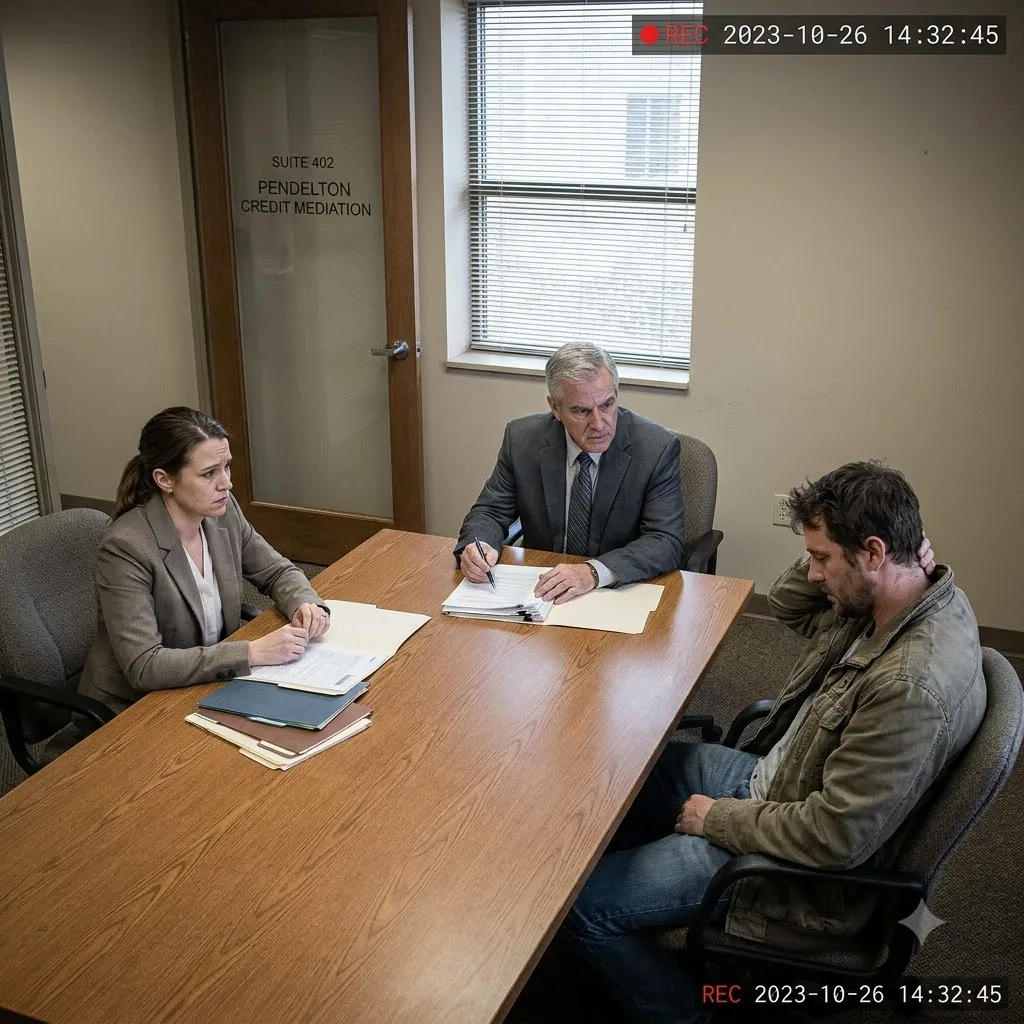
The video footage records Julian Vance pacing the narrow confines of the mediation suite, his leather boots squeaking against the industrial carpet as he spoke. His hands, previously tucked into his pockets, began gesturing wildly as he tried to frame the Vista Horizon apartment as a necessary business expense. ‘I did this for the family,’ Julian said, his voice rising in pitch-a vocal strain marked in the audio logs. ‘Dad wanted a quiet place near the medical center where we could handle his records and meet with executors without driving back and forth to the suburbs. I did the paperwork under his direction.’ This alibi, however, immediately collided with the documented medical records Pendelton possessed. The senior credit counselor did not look up from his screen as he stated that the late Mr. Vance had been intubated during the exact week the lease agreement was digitally signed, meaning he could not have given verbal or written consent. This false alibi did not just fail; it created a new, compounding cost for the estate. Pendelton explained that under the terms of the active mediation, any attempt to present false documentation or unauthorized debts to the credit pool voided the pending low-interest settlement structure. The screen reflected the automatic adjustments: the interest-free grace period vanished, and a flat ten percent fraud-mitigation penalty was applied directly to the principal balance, inflating the family’s total liability by thousands of dollars. Sarah Vance sat perfectly still, her hands resting flat on the polished oak table, her gaze locked on the rising numbers on the digital monitor. According to the transcript, she did not look at her brother. Instead, she addressed the counselor directly. ‘Mr. Pendelton, I want a complete audit of the estate’s primary maintenance fund. We need to see where every dollar of the house maintenance reserve went over the last six months.’ Julian stepped forward, his palm slamming lightly against the table. ‘Sarah, that’s completely unnecessary. We don’t need to drag out this meeting or pay audit fees. I can show you the receipts myself. Let’s just sign the standard agreement and handle the internal family matters privately.’ Pendelton, however, was already bypass-logging into the digital ledger. The system displayed the real-time activity log of the Vance Estate’s capital maintenance reserve. The investigator’s review of these logs reveals a series of transfers that directly contradict Julian’s narrative of home maintenance. On July 14th, a withdrawal of twelve thousand dollars was recorded, designated in the ledger notes as ‘Emergency Roof and Gutter Restoration.’ The very next day, July 15th, an identical sum of twelve thousand dollars was deposited into the account of Vista Horizon Leasing LLC. When Pendelton highlighted these two entries, Julian claimed that the roofing company must have used a payment portal that routed funds through a secondary corporate entity. Yet, Pendelton’s system traced the transaction path directly. The counselor pointed to the digital authorization log, which showed the transfer was executed using an IP address registered to Julian’s personal mobile device, geolocated blocks away from the family home. The screen then flashed an alert: the automated system had flagged the electronic signature on the lease as a high-probability digital forgery, prompting Pendelton to initiate a formal forensic verification of the signature. The room grew quiet as the progress bar on the screen began to load, leaving the mediation team on the verge of discovering who had authorized the signatures under the deceased father’s name.