Story code: ST-000514
Part 1: He Said I Owed Him My Claim
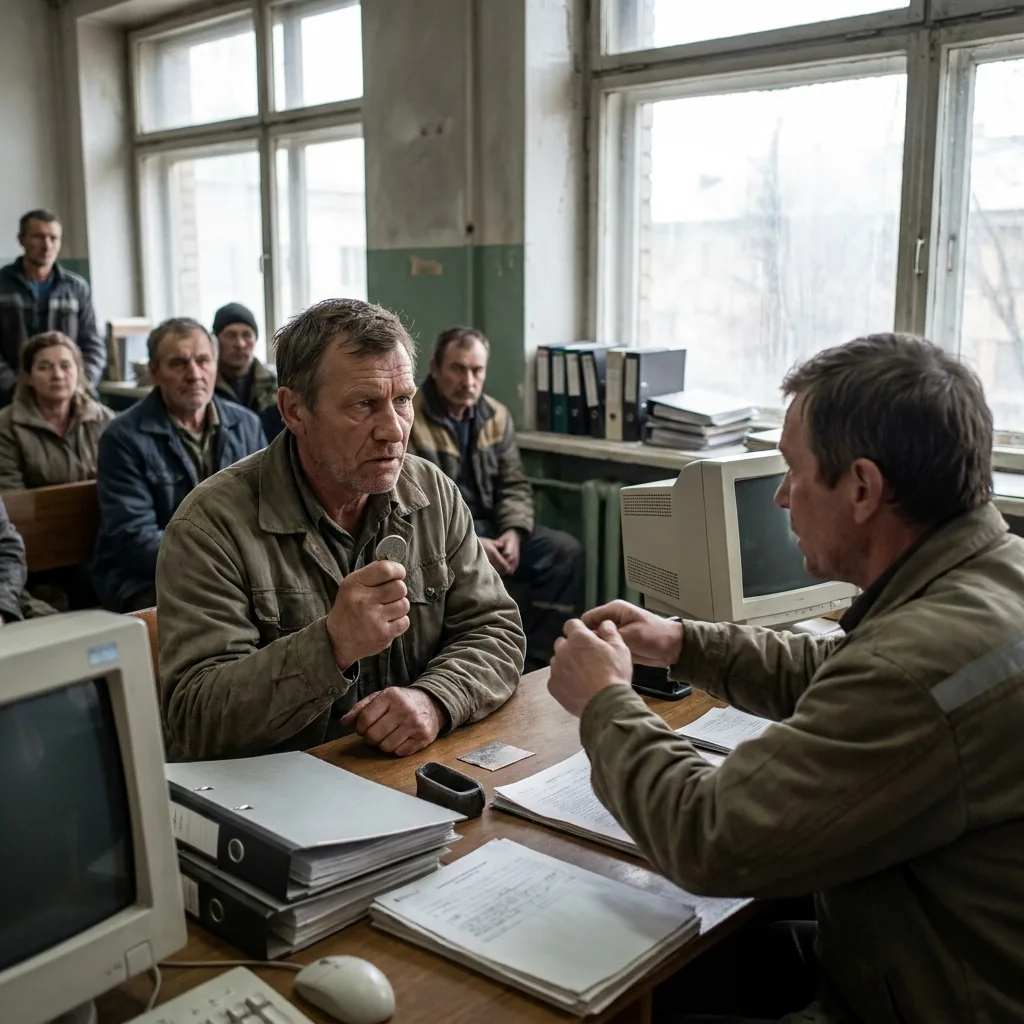
My brother tried to take control of my mineral claim token in front of our whole family at the Blackridge Mining Contracts Office, then said I should be grateful he had given up his future for us. We were standing in the family waiting row by the intake glass while the queue board kept advancing and loaders in dust-streaked work jackets shuffled forward, and Dylan used that ordinary little office moment to make it sound like my claim belonged under his hand. The part that hit me hardest was how normal everybody acted when he said it. The claim token was warm from my palm, a smooth metal oval with its ridged edge pressed into my fingers. I had kept it in my jacket pocket the whole shuttle ride because this claim was tied to my next work slot, my next transport share, and whether I stayed useful to the family another season. Dylan had his broker access band on already, blue light strip lit against his wrist like the office itself had stamped him important. He put his hand out without even looking at me first. “Give me the token, Tess. I’ll handle the verification.” I kept my hand where it was. “I can place it on the pedestal myself.” He gave a short laugh like I was making extra work on purpose. “You can, but you won’t. Not if you want this done right.” My mother, Mara, shifted the family shuttle ledger packet from one arm to the other and lowered her voice, though not enough to keep anyone nearby from hearing. “Tessa, don’t start. Your brother has been carrying this family for years.” That line always came out polished, ready, like it lived on the tip of her tongue. Dylan finally looked at me then. “I stepped off better routes so Dad could stay on, so you could get trained, so we could keep flying together. The least you can do is stop making every contract day a fight.” There were six people within earshot. A couple by the scanner. A man in orange patch coveralls leaning on the wall. Rhea Solis at the contract floor station, glancing up between names on her screen. Nobody knew our whole history, but they could hear enough. That was the point. Dylan always sounded strongest when he had an audience. I pulled the token out but didn’t hand it over. “This isn’t a favor. It’s my claim.” His jaw tightened. He kept his voice calm, which was worse. “And who made sure you still had a claim to bring in?” My father, Evan, stayed where he was beside the glass, one hand hooked through the straps of the ledger packet carrier. He looked from me to the pedestal scanner and back again, like if he watched the machinery instead of us, the whole thing would pass. Rhea called the next group number, then ours lit on the queue display board. “Quinn family,” she said. “Claim intake verification.” Dylan stepped forward first, naturally, the way he always did in these places. “We’re up.” Then, without turning around, he snapped his fingers once at waist height. “Token.” That one little motion burned hotter than the speech. Not because it was loud. Because it was practiced. I walked with them to the verification pedestal anyway. If I made a scene, I would be the one accused of risking the contract. That was another thing Dylan counted on. He never had to shout. He just made refusal look reckless. The scanner pedestal stood chest-high with a black glass top and a recessed ring where the token had to sit. Rhea stayed behind her station, posture straight, neutral as a gate. “Claimant places the token when ready,” she said. I heard the sentence clearly. Dylan moved one step closer to me before I could lift my hand. “Give it here,” he said through his teeth, smiling out toward the station. “I’m not going to let you embarrass us after everything I gave up.” There it was again. Not a memory. Not grief. A bill. My mother reached for my elbow. “Please. Just let him do this. You know what he sacrificed.” I looked at her hand on my sleeve, then at Dylan’s open palm. He was not asking me to move the process along. He was asking me to prove, in front of everybody, that his story gave him the right to direct me. So I asked the simplest thing I could. “If you gave it up for us, why do I have to keep paying you back?” Nobody answered right away. The couple at the next pedestal both looked down at their own token. Rhea’s eyes shifted from Dylan’s broker band to the claim token still in my hand. My father cleared his throat but said nothing. Dylan’s smile did not leave, but it changed shape. “Because this family does not survive if everybody starts acting alone.” “That’s not what I asked.” My mother’s voice came quicker now. “Tessa, enough. We are not doing this here.” But we were already doing it there. Dylan had started it there on purpose. He leaned closer, speaking low enough that only family and maybe Rhea could catch every word. “You want to stand there pretending this is only about your name on the claim, go ahead. But if I stop covering for you, stop brokering you in, stop tying my access to yours, don’t expect this office to carry you.” I looked at the blue broker band on his wrist, then at the token in my hand, and then back at Rhea when she repeated, “Claimant places the token when ready.” That was when something stopped fitting. Dylan kept saying he had given everything up for me, but he was the one who could not seem to let my hand touch the scanner without him in the middle of it. And if his sacrifice had really been settled years ago, why did he need my token in.
My brother tried to take control of my mineral claim token in front of our whole family at the Blackridge Mining Contracts Office, then said I should be grateful he had given up his future for us. We were standing in the family waiting row by the intake glass while the queue board kept advancing and loaders in dust-streaked work jackets shuffled forward, and Dylan used that ordinary little office moment to make it sound like my claim belonged under his hand. The part that hit me hardest was how normal everybody acted when he said it. The claim token was warm from my palm, a smooth metal oval with its ridged edge pressed into my fingers. I had kept it in my jacket pocket the whole shuttle ride because this claim was tied to my next work slot, my next transport share, and whether I stayed useful to the family another season. Dylan had his broker access band on already, blue light strip lit against his wrist like the office itself had stamped him important. He put his hand out without even looking at me first. “Give me the token, Tess. I’ll handle the verification.” I kept my hand where it was. “I can place it on the pedestal myself.” He gave a short laugh like I was making extra work on purpose. “You can, but you won’t. Not if you want this done right.” My mother, Mara, shifted the family shuttle ledger packet from one arm to the other and lowered her voice, though not enough to keep anyone nearby from hearing. “Tessa, don’t start. Your brother has been carrying this family for years.” That line always came out polished, ready, like it lived on the tip of her tongue. Dylan finally looked at me then. “I stepped off better routes so Dad could stay on, so you could get trained, so we could keep flying together. The least you can do is stop making every contract day a fight.” There were six people within earshot. A couple by the scanner. A man in orange patch coveralls leaning on the wall. Rhea Solis at the contract floor station, glancing up between names on her screen. Nobody knew our whole history, but they could hear enough. That was the point. Dylan always sounded strongest when he had an audience. I pulled the token out but didn’t hand it over. “This isn’t a favor. It’s my claim.” His jaw tightened. He kept his voice calm, which was worse. “And who made sure you still had a claim to bring in?” My father, Evan, stayed where he was beside the glass, one hand hooked through the straps of the ledger packet carrier. He looked from me to the pedestal scanner and back again, like if he watched the machinery instead of us, the whole thing would pass. Rhea called the next group number, then ours lit on the queue display board. “Quinn family,” she said. “Claim intake verification.” Dylan stepped forward first, naturally, the way he always did in these places. “We’re up.” Then, without turning around, he snapped his fingers once at waist height. “Token.” That one little motion burned hotter than the speech. Not because it was loud. Because it was practiced. I walked with them to the verification pedestal anyway. If I made a scene, I would be the one accused of risking the contract. That was another thing Dylan counted on. He never had to shout. He just made refusal look reckless. The scanner pedestal stood chest-high with a black glass top and a recessed ring where the token had to sit. Rhea stayed behind her station, posture straight, neutral as a gate. “Claimant places the token when ready,” she said. I heard the sentence clearly. Dylan moved one step closer to me before I could lift my hand. “Give it here,” he said through his teeth, smiling out toward the station. “I’m not going to let you embarrass us after everything I gave up.” There it was again. Not a memory. Not grief. A bill. My mother reached for my elbow. “Please. Just let him do this. You know what he sacrificed.” I looked at her hand on my sleeve, then at Dylan’s open palm. He was not asking me to move the process along. He was asking me to prove, in front of everybody, that his story gave him the right to direct me. So I asked the simplest thing I could. “If you gave it up for us, why do I have to keep paying you back?” Nobody answered right away. The couple at the next pedestal both looked down at their own token. Rhea’s eyes shifted from Dylan’s broker band to the claim token still in my hand. My father cleared his throat but said nothing. Dylan’s smile did not leave, but it changed shape. “Because this family does not survive if everybody starts acting alone.” “That’s not what I asked.” My mother’s voice came quicker now. “Tessa, enough. We are not doing this here.” But we were already doing it there. Dylan had started it there on purpose. He leaned closer, speaking low enough that only family and maybe Rhea could catch every word. “You want to stand there pretending this is only about your name on the claim, go ahead. But if I stop covering for you, stop brokering you in, stop tying my access to yours, don’t expect this office to carry you.” I looked at the blue broker band on his wrist, then at the token in my hand, and then back at Rhea when she repeated, “Claimant places the token when ready.” That was when something stopped fitting. Dylan kept saying he had given everything up for me, but he was the one who could not seem to let my hand touch the scanner without him in the middle of it. And if his sacrifice had really been settled years ago, why did he need my token in.