Story code: ST-000623
Part 1: He Used Her Own Words Wrong
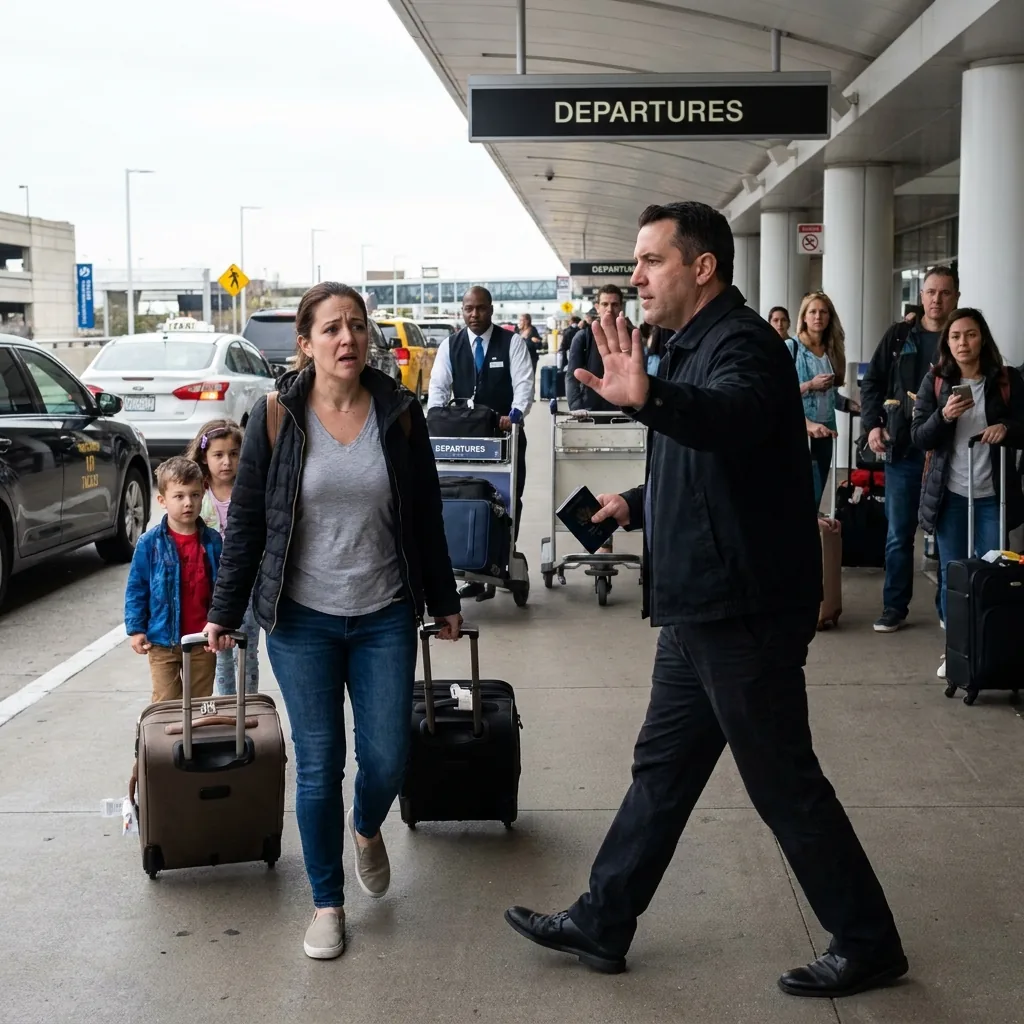
Her brother stepped right into the drop-off lane in front of her rolling carry-on and said, clear as a gate announcement, “You are not allowed to export the children.” We were ten feet from the sliding terminal doors, carts rattling past, brake lights stacked at the curb, and before the woman could answer, another adult with an airport lanyard pointed at her and said, “Then stop pushing through if you’ve already been told.” The brother said the line again like he was reading it off something, but one word in it hit my ear wrong, and the passport sleeve sticking out of the woman’s tote suddenly looked a lot more important than anybody wanted to admit.
I work departures curb, so my job is mostly motion. Keep cars moving. Keep carts out of the crosswalk. Tell families which line is faster and tell drivers they cannot idle where the cones start. I hear a lot of arguments in fragments because people bring their whole day to the curb with them.
This one cut through everything because it had that polished sound some people use when they want strangers on their side fast.
The woman with the tote and carry-on had one backpack over her shoulder and a phone in her hand. A man beside her was balancing two stacked suitcases and glancing between the curb and the doors like he was trying to keep the pile from tipping. Two kids stood close to the luggage cart, close enough that I stayed where I was instead of stepping away to wave the next SUV forward.
The man blocking them had no bags at all.
He planted himself in front of the woman, palm half up, and repeated, “You are not allowed to export the children. Don’t do this in public.”
The woman stopped short enough that her carry-on bumped his shoe. She did not yell. She looked straight at him and said, “Eli, move.”
He did not move.
The guy with the stacked luggage said, “You’re blocking the lane.”
Eli kept his eyes on the woman. “You know exactly what you’re doing. You’re not allowed to export the children.”
That was when Dana, the lanyard woman, stepped in from near the volunteer stand by the doors. I knew her by face, not well, one of the people who helps a student travel group a few times a month. She heard the repeated phrase and came in confident.
She looked at the woman and said, “Ma’am, if the children’s uncle is telling you not to export them, maybe stop dragging them into the terminal and work it out first.”
You could feel the lane slow down. That is the fastest way a public scene grows at an airport: one person says something certain, then a second person says it louder.
The woman shifted her tote higher on her shoulder. A dark passport sleeve was visible at the top, tucked beside a boarding pass folder. She put one hand over it without pulling it out and said, very flat, “I am not dragging anybody anywhere. We’re checking in for our flight.”
Dana answered before the brother did. “Then why is he saying you’re exporting the children?”
The husband said, “Because he keeps repeating something he doesn’t understand.”
Eli snapped, “I understand it fine.”
I had already started edging closer because the line of cars behind them was freezing up. From where I stood, I could see the kids watching the adults’ faces and the woman keeping her body angled so they stayed behind her and the luggage cart.
She asked her brother one simple question. “Export to where, Eli?”
He pointed at the terminal doors instead of answering. “Don’t play with words. You know what this is.”
That was the moment the phrase stopped sounding official and started sounding borrowed.
People say all kinds of wrong things in panic, but this wasn’t messy enough to be panic. He had the same rhythm every time. Same pause after children. Same sharpened voice on public. It was a line he had practiced.
Dana crossed her arms and looked at the woman like the whole thing was already settled. “If there is a family dispute, maybe stop for five minutes instead of forcing the issue.”
The woman nodded once toward Eli and said, “Fine. Let him explain it. What does export mean, exactly?”
Eli opened his mouth, closed it, then changed direction completely.
“You know what Mom said,” he said.
The husband shifted one suitcase down off the stack and said, “No, don’t switch it. You said export. Say what you think that means.”
A driver behind them leaned on a horn. A cart wheel clicked over the curb seam. Nobody in the little circle moved.
The woman tapped the edge of the passport sleeve still sticking out of her tote and said, “You keep using that word like it’s supposed to stop me. So explain it. Explain why you’re saying it here, in front of strangers.”
Eli looked at the sleeve, then back at her face, and repeated the line a third time, almost identical to the first two.
That was what got me. Not volume. Not family drama. The repetition.
Dana started to speak again, but even she hesitated this time, because the line had been said three times and still nobody could tell what the wrong word was doing there except making the whole curb go still.
I reached for my radio, kept my voice even, and told the waiting driver to hold for a second. Then I looked back at Eli just as his sister asked him, in front of all of us, the question he should have been able to answer immediately.
“If I’m exporting them,” she said, fingers still resting on that passport sleeve, “tell everybody here what you think I’m exporting them from.”
Her brother stepped right into the drop-off lane in front of her rolling carry-on and said, clear as a gate announcement, “You are not allowed to export the children.” We were ten feet from the sliding terminal doors, carts rattling past, brake lights stacked at the curb, and before the woman could answer, another adult with an airport lanyard pointed at her and said, “Then stop pushing through if you’ve already been told.” The brother said the line again like he was reading it off something, but one word in it hit my ear wrong, and the passport sleeve sticking out of the woman’s tote suddenly looked a lot more important than anybody wanted to admit.
I work departures curb, so my job is mostly motion. Keep cars moving. Keep carts out of the crosswalk. Tell families which line is faster and tell drivers they cannot idle where the cones start. I hear a lot of arguments in fragments because people bring their whole day to the curb with them.
This one cut through everything because it had that polished sound some people use when they want strangers on their side fast.
The woman with the tote and carry-on had one backpack over her shoulder and a phone in her hand. A man beside her was balancing two stacked suitcases and glancing between the curb and the doors like he was trying to keep the pile from tipping. Two kids stood close to the luggage cart, close enough that I stayed where I was instead of stepping away to wave the next SUV forward.
The man blocking them had no bags at all.
He planted himself in front of the woman, palm half up, and repeated, “You are not allowed to export the children. Don’t do this in public.”
The woman stopped short enough that her carry-on bumped his shoe. She did not yell. She looked straight at him and said, “Eli, move.”
He did not move.
The guy with the stacked luggage said, “You’re blocking the lane.”
Eli kept his eyes on the woman. “You know exactly what you’re doing. You’re not allowed to export the children.”
That was when Dana, the lanyard woman, stepped in from near the volunteer stand by the doors. I knew her by face, not well, one of the people who helps a student travel group a few times a month. She heard the repeated phrase and came in confident.
She looked at the woman and said, “Ma’am, if the children’s uncle is telling you not to export them, maybe stop dragging them into the terminal and work it out first.”
You could feel the lane slow down. That is the fastest way a public scene grows at an airport: one person says something certain, then a second person says it louder.
The woman shifted her tote higher on her shoulder. A dark passport sleeve was visible at the top, tucked beside a boarding pass folder. She put one hand over it without pulling it out and said, very flat, “I am not dragging anybody anywhere. We’re checking in for our flight.”
Dana answered before the brother did. “Then why is he saying you’re exporting the children?”
The husband said, “Because he keeps repeating something he doesn’t understand.”
Eli snapped, “I understand it fine.”
I had already started edging closer because the line of cars behind them was freezing up. From where I stood, I could see the kids watching the adults’ faces and the woman keeping her body angled so they stayed behind her and the luggage cart.
She asked her brother one simple question. “Export to where, Eli?”
He pointed at the terminal doors instead of answering. “Don’t play with words. You know what this is.”
That was the moment the phrase stopped sounding official and started sounding borrowed.
People say all kinds of wrong things in panic, but this wasn’t messy enough to be panic. He had the same rhythm every time. Same pause after children. Same sharpened voice on public. It was a line he had practiced.
Dana crossed her arms and looked at the woman like the whole thing was already settled. “If there is a family dispute, maybe stop for five minutes instead of forcing the issue.”
The woman nodded once toward Eli and said, “Fine. Let him explain it. What does export mean, exactly?”
Eli opened his mouth, closed it, then changed direction completely.
“You know what Mom said,” he said.
The husband shifted one suitcase down off the stack and said, “No, don’t switch it. You said export. Say what you think that means.”
A driver behind them leaned on a horn. A cart wheel clicked over the curb seam. Nobody in the little circle moved.
The woman tapped the edge of the passport sleeve still sticking out of her tote and said, “You keep using that word like it’s supposed to stop me. So explain it. Explain why you’re saying it here, in front of strangers.”
Eli looked at the sleeve, then back at her face, and repeated the line a third time, almost identical to the first two.
That was what got me. Not volume. Not family drama. The repetition.
Dana started to speak again, but even she hesitated this time, because the line had been said three times and still nobody could tell what the wrong word was doing there except making the whole curb go still.
I reached for my radio, kept my voice even, and told the waiting driver to hold for a second. Then I looked back at Eli just as his sister asked him, in front of all of us, the question he should have been able to answer immediately.
“If I’m exporting them,” she said, fingers still resting on that passport sleeve, “tell everybody here what you think I’m exporting them from.”