Story code: ST-000316
Part 1: He Could Ruin It, But I Had To Fix It
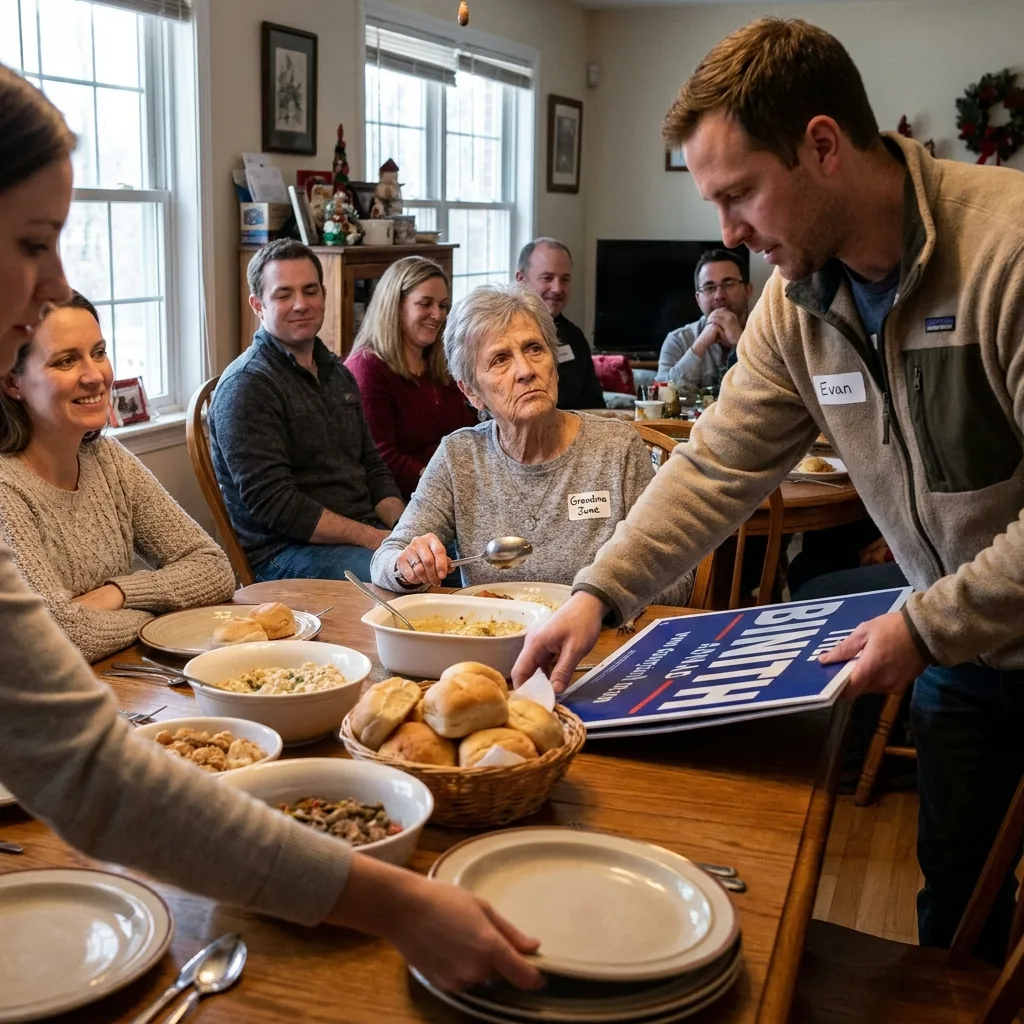
My cousin Evan carried a stack of campaign yard signs into Grandma June Mercer’s dining room while I was still setting out holiday plates, slapped one down beside the rolls, and somehow turned a two-minute table job into a mess he left sitting in my hands. He wrote the wrong name across the sign in thick black marker, dragged his sleeve through the wet letters, then looked straight at Tessa and said, “Mara’s better at this stuff than me,” like I’d been the one holding it when he ruined it. By the time the gravy boat hit the table, I was wiping marker off the wood, stacking bent signs onto a chair by the sideboard, and everybody was acting like his mistake had naturally become my work.
Tessa was moving between the stove and the dining room with two bowls pressed against her hip. “Can somebody just make the signs neat and put them by the front window?” she said. “And keep that stuff off the good table.”
Evan had already opened a box of tape and spread the fasteners out between the folded napkins and the cranberry dish. He leaned back in his chair like the room had been waiting for him.
“I tried,” he said, lifting both hands a little. “These things are cheap. The marker bleeds. I don’t know how she does those clean block letters.”
He said it after he had already taken the cap off, written crooked across one sign, and shoved the whole mess toward my place setting.
I picked the sign up by two corners so the ink wouldn’t smear farther. The letters had gone wide where he’d pressed too hard. There was a black streak on the table runner and another on the heel of my hand.
Noah was at the kitchen doorway with a stack of dessert plates. He looked at the sign, then at Evan, then said, “You tried, and now Mara’s doing it.”
Evan gave him a quick smile like it was a joke nobody should stretch out. “Exactly. Division of labor.”
Grandma June didn’t say anything yet. She was seated near the end of the table with her water glass and the basket of dinner rolls in front of her. She watched my hands while I lifted the ruined sign away from the plates.
Tessa swung back through with the sweet potatoes. “Mara, can you just redo them? We need them out of here before dinner.” She was already moving before I answered.
That was how the whole thing kept landing. He made the mess first. I got the request second.
There were six signs total, all pulled from Evan’s trunk, still cold at the edges from being outside. He said he only needed simple labels on the backs so he could separate the local race signs from the county ones before he left later. That was it. Name on the back. Stack them correctly. Keep them off the food.
The first one he touched was the one he ruined.
I moved to the sideboard with the marker, the tape, and the stack that hadn’t been bent yet. People were still talking around me about turnout, precincts, and which neighbor had three signs in one yard. Every few seconds somebody reached past the supplies for butter or a serving spoon. The signs took up too much room no matter where I put them.
Evan stayed in his chair and kept talking politics across the turkey platter like he was hosting a radio segment. When Tessa asked where the extra fasteners had gone, he pointed at me with two fingers and said, “I gave everything to Mara. She took over.”
I looked up from the sideboard. “You dropped them into the stuffing bowl first.”
Tessa stopped, turned, and fished two plastic fasteners out from beside the serving spoon. “Seriously?”
Evan laughed once through his nose. “I said I’m bad at crafts.”
“This isn’t crafts,” Noah said from the doorway. “It’s writing a name on cardboard.”
Nobody picked that up. Plates moved. Chairs scraped. The room kept trying to stay a holiday meal.
I redid the first sign, printed the race name across the back in clean black letters, and set it to dry against the wall. When I reached for the next blank one, Evan stood up beside me so suddenly his chair legs caught the rug.
“No, not that stack,” he said.
He said it fast, and his hand came out faster.
He slid one sign free from the middle without bending the corners, flipped it with one wrist so the wire legs stayed clear, checked the tiny district sticker in the lower right, and tucked it under the correct pile before his sentence had even finished. It was a smooth little movement, exact and practiced, the kind you don’t make by accident when you’ve been claiming all evening that you can’t tell one sign from another.
Then he looked up at me and put the baffled face right back on.
“See?” he said, with a shrug. “This is why I hate dealing with these things. I always get confused.”
The sign he had just sorted was in the right pile, and he had found the sticker without even turning it toward the lamp. I held the marker in my hand and looked at the stack, because that one quick grab had not looked confused at all.
My cousin Evan carried a stack of campaign yard signs into Grandma June Mercer’s dining room while I was still setting out holiday plates, slapped one down beside the rolls, and somehow turned a two-minute table job into a mess he left sitting in my hands. He wrote the wrong name across the sign in thick black marker, dragged his sleeve through the wet letters, then looked straight at Tessa and said, “Mara’s better at this stuff than me,” like I’d been the one holding it when he ruined it. By the time the gravy boat hit the table, I was wiping marker off the wood, stacking bent signs onto a chair by the sideboard, and everybody was acting like his mistake had naturally become my work.
Tessa was moving between the stove and the dining room with two bowls pressed against her hip. “Can somebody just make the signs neat and put them by the front window?” she said. “And keep that stuff off the good table.”
Evan had already opened a box of tape and spread the fasteners out between the folded napkins and the cranberry dish. He leaned back in his chair like the room had been waiting for him.
“I tried,” he said, lifting both hands a little. “These things are cheap. The marker bleeds. I don’t know how she does those clean block letters.”
He said it after he had already taken the cap off, written crooked across one sign, and shoved the whole mess toward my place setting.
I picked the sign up by two corners so the ink wouldn’t smear farther. The letters had gone wide where he’d pressed too hard. There was a black streak on the table runner and another on the heel of my hand.
Noah was at the kitchen doorway with a stack of dessert plates. He looked at the sign, then at Evan, then said, “You tried, and now Mara’s doing it.”
Evan gave him a quick smile like it was a joke nobody should stretch out. “Exactly. Division of labor.”
Grandma June didn’t say anything yet. She was seated near the end of the table with her water glass and the basket of dinner rolls in front of her. She watched my hands while I lifted the ruined sign away from the plates.
Tessa swung back through with the sweet potatoes. “Mara, can you just redo them? We need them out of here before dinner.” She was already moving before I answered.
That was how the whole thing kept landing. He made the mess first. I got the request second.
There were six signs total, all pulled from Evan’s trunk, still cold at the edges from being outside. He said he only needed simple labels on the backs so he could separate the local race signs from the county ones before he left later. That was it. Name on the back. Stack them correctly. Keep them off the food.
The first one he touched was the one he ruined.
I moved to the sideboard with the marker, the tape, and the stack that hadn’t been bent yet. People were still talking around me about turnout, precincts, and which neighbor had three signs in one yard. Every few seconds somebody reached past the supplies for butter or a serving spoon. The signs took up too much room no matter where I put them.
Evan stayed in his chair and kept talking politics across the turkey platter like he was hosting a radio segment. When Tessa asked where the extra fasteners had gone, he pointed at me with two fingers and said, “I gave everything to Mara. She took over.”
I looked up from the sideboard. “You dropped them into the stuffing bowl first.”
Tessa stopped, turned, and fished two plastic fasteners out from beside the serving spoon. “Seriously?”
Evan laughed once through his nose. “I said I’m bad at crafts.”
“This isn’t crafts,” Noah said from the doorway. “It’s writing a name on cardboard.”
Nobody picked that up. Plates moved. Chairs scraped. The room kept trying to stay a holiday meal.
I redid the first sign, printed the race name across the back in clean black letters, and set it to dry against the wall. When I reached for the next blank one, Evan stood up beside me so suddenly his chair legs caught the rug.
“No, not that stack,” he said.
He said it fast, and his hand came out faster.
He slid one sign free from the middle without bending the corners, flipped it with one wrist so the wire legs stayed clear, checked the tiny district sticker in the lower right, and tucked it under the correct pile before his sentence had even finished. It was a smooth little movement, exact and practiced, the kind you don’t make by accident when you’ve been claiming all evening that you can’t tell one sign from another.
Then he looked up at me and put the baffled face right back on.
“See?” he said, with a shrug. “This is why I hate dealing with these things. I always get confused.”
The sign he had just sorted was in the right pile, and he had found the sticker without even turning it toward the lamp. I held the marker in my hand and looked at the stack, because that one quick grab had not looked confused at all.