Story code: ST-000947
Part 1: She Said the Delay Was Me
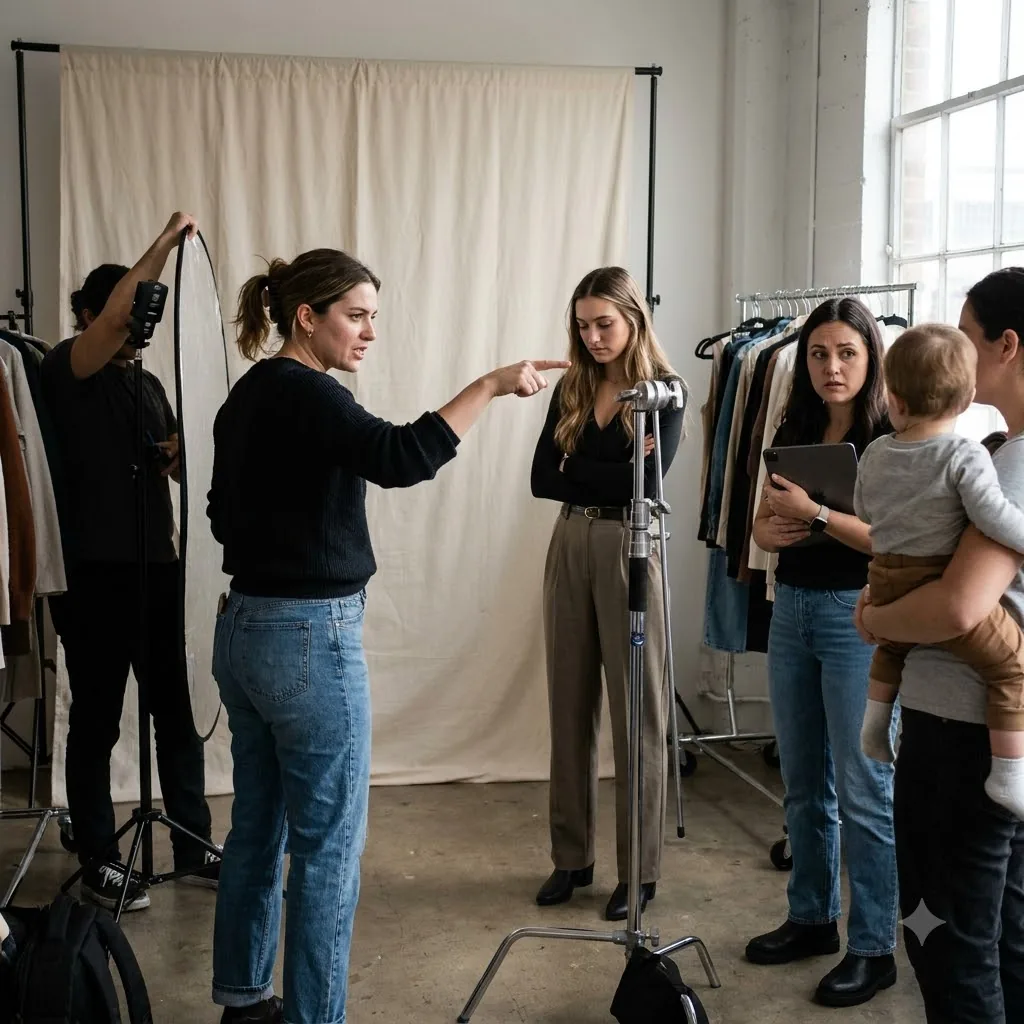
Brielle Moreno pointed across the holding area at her own cousin and said, in front of my crew and my sponsor backdrop, that Alyssa was “making this day about herself again” because she had stepped away from the camera line with the support tote. The problem was that the brand contract in my folder was tied to a locked shoot schedule, and the person Brielle was blaming was the same person I had just watched move a water case, a backup kit, and a missing wardrobe piece between stations while everyone else stayed close to the lights.
I was standing at the production table with the printed call sheet in one hand when Brielle said it. She pitched her voice just high enough to carry without sounding like she was yelling.
“We keep losing time because she disappears whenever we’re ready to shoot,” she said, looking at me and then at Dev Shah. “If reliability matters to the sponsor, that should probably be noted.”
The sentence landed exactly where she aimed it. Dev glanced at his tablet. Nina Torres paused with a brush still in her hand. One of the assistants by the garment rack stopped moving hangers.
Alyssa came back into the holding space at that moment, phone clipped to the side of her tote, one arm hooked through two steamers’ cords and the other carrying the beige backup heels from Look Two. Her movement was direct, not theatrical. She set the heels by the wardrobe rack, handed the cords to an assistant, and said to Nina, “The sealed water is by glam, and the stain pen is in the side pocket.”
Brielle turned toward her with a polished half-smile that matched nothing else in the room.
“There you are,” she said. “We’re all trying to stay on schedule.”
Alyssa looked at me, then at Dev, then at Nina. “Dev asked for the backup kit when the zipper pull broke. Nina asked for water at glam. The stylist said Look Two needed the other shoes.”
Nina answered without drama. “I did ask.”
Dev nodded once. “I asked for the kit.”
That should have settled the narrow point. It did not. Brielle widened it on purpose, but only through things she could say aloud in a sponsor space.
“It’s not about one errand,” she said. “It’s about priorities. Every time content is about to happen, Alyssa suddenly has some other mission. That affects all of us.”
She said “content” and “priorities” the way people do when they want a practical accusation to sound professional. I had heard versions of that before from creators trying to rewrite a missed mark as someone else’s disruption. What made this one stick for a beat was family familiarity. Brielle spoke like someone entitled to define Alyssa’s pattern.
I looked down at the call sheet. We were already eight minutes off first capture. Eight minutes can become thirty fast on a sponsor day, and once a delay gets framed as personality instead of sequence, it starts attaching to deliverables.
“I need first look on set in four,” I said.
“I’m ready,” Brielle said immediately, stepping closer to the branded backdrop.
Alyssa did not step forward. She checked the time on her phone, opened a note, and typed something with her thumb before clipping the phone back down. Then she said, in the same even voice, “Look One still doesn’t have the backup clasp. If that gives out on camera, you’ll lose more than four minutes.”
The stylist from the rack lifted a hand without leaving her station. “She’s right. We still need that clasp.”
Brielle made a short sound through her nose and adjusted the sleeve of her sponsored jacket as if the whole interruption were beneath her.
“This is what I mean,” she said. “There’s always another excuse.”
No one answered right away. Silence on a set is not neutral. It lets the loudest framing sit there.
I watched Alyssa cross to the prop table, take a small zip pouch from the support tote, and hand it to Dev. He opened it, found the spare clasp, and said, “Got it.”
Nina returned to work. The assistant resumed steaming. The movement in the room started again, but not cleanly. Brielle’s accusation had already done what those accusations do. It had moved Alyssa from useful person to possible problem in front of the people attached to the contract.
When we finally got Brielle on mark for the first sponsor shots, she kept talking between resets.
“I’m just trying to protect the day,” she said once while a light was adjusted.
“Someone has to think big picture,” she said the next time.
Each line was aimed toward me without being addressed to me. Each one nudged the same story.
Alyssa stayed near the holding area instead of the backdrop, answering direct questions and handing over whatever people asked for: blot papers, the lint roller, the extra batteries for the small fan by glam. Every time she moved, she checked her phone and added another line to the same note.
I noticed because it was repetitive and quiet, the kind of habit people overlook until timing matters.
Then Dev came to the production table and said, low enough that only I heard it, “If Brielle says Alyssa keeps wandering off, that’s not matching what I’ve got.”
He tilted his tablet toward me. Before I could read more than a few time stamps, Brielle called from the set, “Can someone please get the robe and fix this?”
Alyssa was already halfway there with the robe in one hand and her phone in the other, adding another time entry to a care log that was starting to look a lot more useful than Brielle’s speech.
Brielle Moreno pointed across the holding area at her own cousin and said, in front of my crew and my sponsor backdrop, that Alyssa was “making this day about herself again” because she had stepped away from the camera line with the support tote. The problem was that the brand contract in my folder was tied to a locked shoot schedule, and the person Brielle was blaming was the same person I had just watched move a water case, a backup kit, and a missing wardrobe piece between stations while everyone else stayed close to the lights.
I was standing at the production table with the printed call sheet in one hand when Brielle said it. She pitched her voice just high enough to carry without sounding like she was yelling.
“We keep losing time because she disappears whenever we’re ready to shoot,” she said, looking at me and then at Dev Shah. “If reliability matters to the sponsor, that should probably be noted.”
The sentence landed exactly where she aimed it. Dev glanced at his tablet. Nina Torres paused with a brush still in her hand. One of the assistants by the garment rack stopped moving hangers.
Alyssa came back into the holding space at that moment, phone clipped to the side of her tote, one arm hooked through two steamers’ cords and the other carrying the beige backup heels from Look Two. Her movement was direct, not theatrical. She set the heels by the wardrobe rack, handed the cords to an assistant, and said to Nina, “The sealed water is by glam, and the stain pen is in the side pocket.”
Brielle turned toward her with a polished half-smile that matched nothing else in the room.
“There you are,” she said. “We’re all trying to stay on schedule.”
Alyssa looked at me, then at Dev, then at Nina. “Dev asked for the backup kit when the zipper pull broke. Nina asked for water at glam. The stylist said Look Two needed the other shoes.”
Nina answered without drama. “I did ask.”
Dev nodded once. “I asked for the kit.”
That should have settled the narrow point. It did not. Brielle widened it on purpose, but only through things she could say aloud in a sponsor space.
“It’s not about one errand,” she said. “It’s about priorities. Every time content is about to happen, Alyssa suddenly has some other mission. That affects all of us.”
She said “content” and “priorities” the way people do when they want a practical accusation to sound professional. I had heard versions of that before from creators trying to rewrite a missed mark as someone else’s disruption. What made this one stick for a beat was family familiarity. Brielle spoke like someone entitled to define Alyssa’s pattern.
I looked down at the call sheet. We were already eight minutes off first capture. Eight minutes can become thirty fast on a sponsor day, and once a delay gets framed as personality instead of sequence, it starts attaching to deliverables.
“I need first look on set in four,” I said.
“I’m ready,” Brielle said immediately, stepping closer to the branded backdrop.
Alyssa did not step forward. She checked the time on her phone, opened a note, and typed something with her thumb before clipping the phone back down. Then she said, in the same even voice, “Look One still doesn’t have the backup clasp. If that gives out on camera, you’ll lose more than four minutes.”
The stylist from the rack lifted a hand without leaving her station. “She’s right. We still need that clasp.”
Brielle made a short sound through her nose and adjusted the sleeve of her sponsored jacket as if the whole interruption were beneath her.
“This is what I mean,” she said. “There’s always another excuse.”
No one answered right away. Silence on a set is not neutral. It lets the loudest framing sit there.
I watched Alyssa cross to the prop table, take a small zip pouch from the support tote, and hand it to Dev. He opened it, found the spare clasp, and said, “Got it.”
Nina returned to work. The assistant resumed steaming. The movement in the room started again, but not cleanly. Brielle’s accusation had already done what those accusations do. It had moved Alyssa from useful person to possible problem in front of the people attached to the contract.
When we finally got Brielle on mark for the first sponsor shots, she kept talking between resets.
“I’m just trying to protect the day,” she said once while a light was adjusted.
“Someone has to think big picture,” she said the next time.
Each line was aimed toward me without being addressed to me. Each one nudged the same story.
Alyssa stayed near the holding area instead of the backdrop, answering direct questions and handing over whatever people asked for: blot papers, the lint roller, the extra batteries for the small fan by glam. Every time she moved, she checked her phone and added another line to the same note.
I noticed because it was repetitive and quiet, the kind of habit people overlook until timing matters.
Then Dev came to the production table and said, low enough that only I heard it, “If Brielle says Alyssa keeps wandering off, that’s not matching what I’ve got.”
He tilted his tablet toward me. Before I could read more than a few time stamps, Brielle called from the set, “Can someone please get the robe and fix this?”
Alyssa was already halfway there with the robe in one hand and her phone in the other, adding another time entry to a care log that was starting to look a lot more useful than Brielle’s speech.