Story code: ST-000638
Part 1: He Said She Was Too Ignorant To Touch It
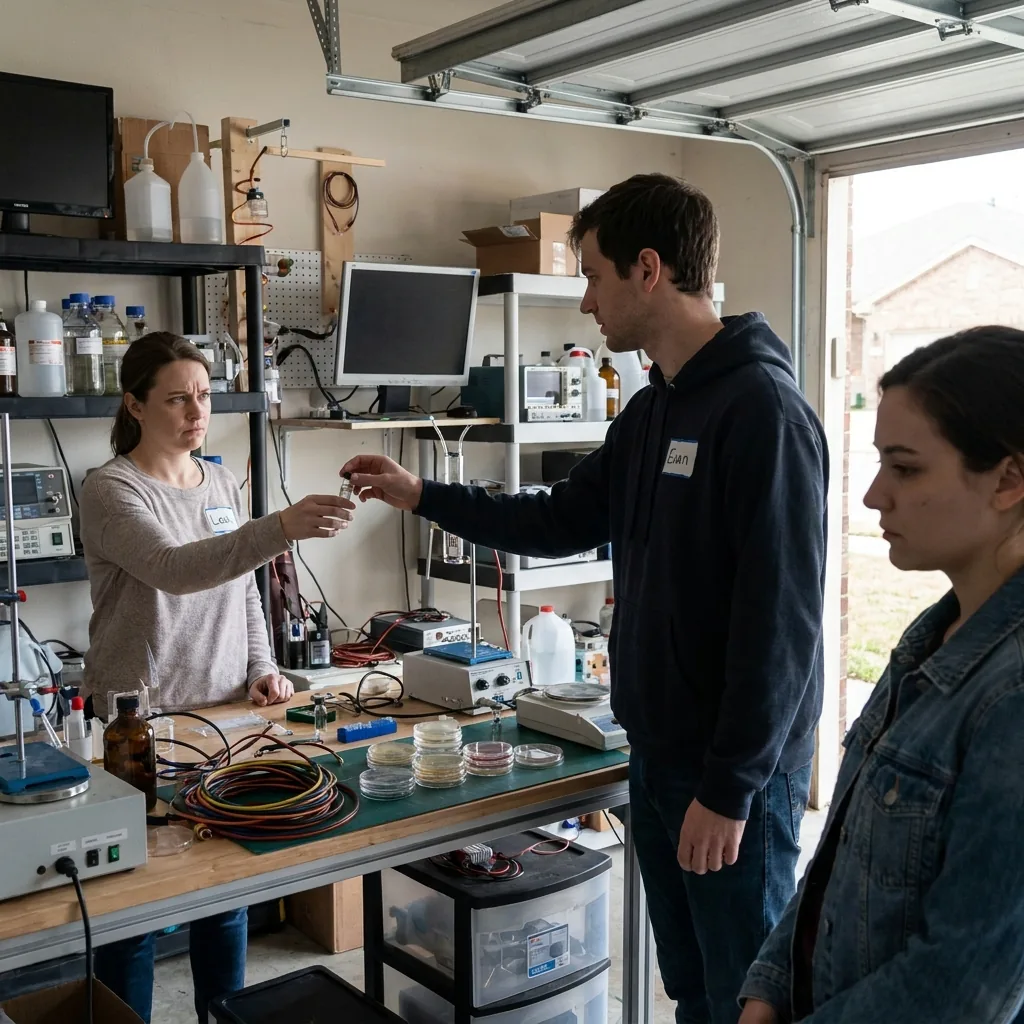
Evan took the test vial out of Leah’s hand at the main workbench and said, right in front of all of us, “Don’t start guessing at bench level if you don’t know the cascade.” He said it fast, with one glove half on and the pipette still in his other hand, and Leah stopped mid-sentence like she’d been corrected in a room she wasn’t allowed to be in. We were in Ray’s garage lab, with wipes open, tubes racked, and the mini fridge humming beside the shelving, and Evan was using the room like it was a title.
I was capping a rack of small tubes when Leah tried again.
“I wasn’t guessing,” she said. She held up her phone like she had a note on it. “I asked why the label on that vial changed.”
Evan gave a short laugh through his nose and set the vial in front of him instead of back in the rack. It was one of the clear ones with a strip of white label wrapped crooked near the bottom. Fresh marker over old marker. I could still see the darker line underneath where something had been crossed out.
“Because it had to be reclassified after the lattice pass,” he said. “That’s normal if you’re doing actual adaptive screening.”
Leah looked at the vial, then at him. “What’s a lattice pass?”
He didn’t answer that first. He adjusted the pipette on the bench, turned the vial with two fingers, and started talking louder.
“This is exactly the problem,” he said. “People hear three words and think they’re qualified to challenge process. You’re asking beginner questions in the middle of a live chain. If you interrupt at the wrong point, you contaminate the read.”
Nobody had touched the vial except him in the last minute. He said “live chain” like there were six moving parts in the room, but the only thing moving was his hand on the bench paper and the little wobble in the test rack when he bumped it.
Ray was on the folding stool by the rolling cart, inventory sheet on one knee. He didn’t say anything yet. He just watched Evan’s hands.
Leah kept her voice flat. “I’m asking what changed on the label.”
Evan picked up the vial and held it between us like the answer was inside the plastic. “The status changed after a spectro-phasic stability check. Which, again, if you haven’t done garage fermentation work at this level, probably sounds random to you.”
That made the room smaller.
Leah’s mouth closed. She tucked her phone against her palm and shifted one step back from the bench. That was the first visible hit of it. Not yelling. Not a fight. Just Evan using bigger and bigger language until a plain question looked like a stupid one.
I set my marker down and asked, “Did you log the relabel in the notebook?”
He answered without looking at me. “I log outcomes, not every intermediate nuance.”
The notebook was open three feet from his elbow. Two pages had dates, arrows, half acronyms, and one boxed phrase in all caps. His handwriting got looser toward the bottom of the page, like he had sped up to stay ahead of his own words.
Leah pointed with one finger. “So the old label was wrong?”
“No,” Evan said. “It became less correct after drift normalization.”
Ray finally spoke. “Less correct.”
Evan nodded like that settled it. “Right. Because the vial moved from baseline handling into a phase-locked interpretive state.”
I looked at the vial again. Same cap. Same cloudy line clinging to one side. Same label with fresh marker laid on top of old ink. Nothing about it explained what he was saying.
Leah said, quieter now, “Can you say that plain?”
Evan set the vial down with a small tap. “Plain is how you lose precision. That’s why people make bad assumptions and wreck samples.”
He reached for the notebook and flipped to the page with the boxed phrase. He tapped it twice with his gloved finger so we would all look where he wanted.
“See this?” he said. “Pseudo-isotonic rebound window. That’s the part you’re missing. Once a vial enters rebound, the first label stops describing its active profile.”
The phrase sat there in thick black marker, boxed hard enough to dent the paper.
Ray leaned forward on the stool. “Pseudo what?”
Evan didn’t slow down. “Pseudo-isotonic rebound window. It’s the stabilization interval after micro-stress exposure but before profile lock. If you don’t understand that, of course the relabel looks strange to you.”
Leah looked at the notebook, then at the vial, then at me. She didn’t say anything.
I had been in that garage enough to know the usual words on the bench. Batch, temp, mix time, rinse, discard, hold. Evan used all of those when he wanted help. This new phrase landed like something he had built to stand on.
Ray held out his hand. “Give me the vial.”
Evan passed it over, but he kept talking while Ray rolled it under the bench light.
“You can’t judge an active rebound state by static appearance,” Evan said. “That’s amateur stuff.”
Ray read the crossed-out label, then looked at the notebook, then back at Evan. His voice stayed short.
“Show me where the rebound window starts,” he said.
For the first time that night, Evan did not answer right away.
Evan took the test vial out of Leah’s hand at the main workbench and said, right in front of all of us, “Don’t start guessing at bench level if you don’t know the cascade.” He said it fast, with one glove half on and the pipette still in his other hand, and Leah stopped mid-sentence like she’d been corrected in a room she wasn’t allowed to be in. We were in Ray’s garage lab, with wipes open, tubes racked, and the mini fridge humming beside the shelving, and Evan was using the room like it was a title.
I was capping a rack of small tubes when Leah tried again.
“I wasn’t guessing,” she said. She held up her phone like she had a note on it. “I asked why the label on that vial changed.”
Evan gave a short laugh through his nose and set the vial in front of him instead of back in the rack. It was one of the clear ones with a strip of white label wrapped crooked near the bottom. Fresh marker over old marker. I could still see the darker line underneath where something had been crossed out.
“Because it had to be reclassified after the lattice pass,” he said. “That’s normal if you’re doing actual adaptive screening.”
Leah looked at the vial, then at him. “What’s a lattice pass?”
He didn’t answer that first. He adjusted the pipette on the bench, turned the vial with two fingers, and started talking louder.
“This is exactly the problem,” he said. “People hear three words and think they’re qualified to challenge process. You’re asking beginner questions in the middle of a live chain. If you interrupt at the wrong point, you contaminate the read.”
Nobody had touched the vial except him in the last minute. He said “live chain” like there were six moving parts in the room, but the only thing moving was his hand on the bench paper and the little wobble in the test rack when he bumped it.
Ray was on the folding stool by the rolling cart, inventory sheet on one knee. He didn’t say anything yet. He just watched Evan’s hands.
Leah kept her voice flat. “I’m asking what changed on the label.”
Evan picked up the vial and held it between us like the answer was inside the plastic. “The status changed after a spectro-phasic stability check. Which, again, if you haven’t done garage fermentation work at this level, probably sounds random to you.”
That made the room smaller.
Leah’s mouth closed. She tucked her phone against her palm and shifted one step back from the bench. That was the first visible hit of it. Not yelling. Not a fight. Just Evan using bigger and bigger language until a plain question looked like a stupid one.
I set my marker down and asked, “Did you log the relabel in the notebook?”
He answered without looking at me. “I log outcomes, not every intermediate nuance.”
The notebook was open three feet from his elbow. Two pages had dates, arrows, half acronyms, and one boxed phrase in all caps. His handwriting got looser toward the bottom of the page, like he had sped up to stay ahead of his own words.
Leah pointed with one finger. “So the old label was wrong?”
“No,” Evan said. “It became less correct after drift normalization.”
Ray finally spoke. “Less correct.”
Evan nodded like that settled it. “Right. Because the vial moved from baseline handling into a phase-locked interpretive state.”
I looked at the vial again. Same cap. Same cloudy line clinging to one side. Same label with fresh marker laid on top of old ink. Nothing about it explained what he was saying.
Leah said, quieter now, “Can you say that plain?”
Evan set the vial down with a small tap. “Plain is how you lose precision. That’s why people make bad assumptions and wreck samples.”
He reached for the notebook and flipped to the page with the boxed phrase. He tapped it twice with his gloved finger so we would all look where he wanted.
“See this?” he said. “Pseudo-isotonic rebound window. That’s the part you’re missing. Once a vial enters rebound, the first label stops describing its active profile.”
The phrase sat there in thick black marker, boxed hard enough to dent the paper.
Ray leaned forward on the stool. “Pseudo what?”
Evan didn’t slow down. “Pseudo-isotonic rebound window. It’s the stabilization interval after micro-stress exposure but before profile lock. If you don’t understand that, of course the relabel looks strange to you.”
Leah looked at the notebook, then at the vial, then at me. She didn’t say anything.
I had been in that garage enough to know the usual words on the bench. Batch, temp, mix time, rinse, discard, hold. Evan used all of those when he wanted help. This new phrase landed like something he had built to stand on.
Ray held out his hand. “Give me the vial.”
Evan passed it over, but he kept talking while Ray rolled it under the bench light.
“You can’t judge an active rebound state by static appearance,” Evan said. “That’s amateur stuff.”
Ray read the crossed-out label, then looked at the notebook, then back at Evan. His voice stayed short.
“Show me where the rebound window starts,” he said.
For the first time that night, Evan did not answer right away.