Story code: ST-000977
Part 1: The Rule Nobody Could Show
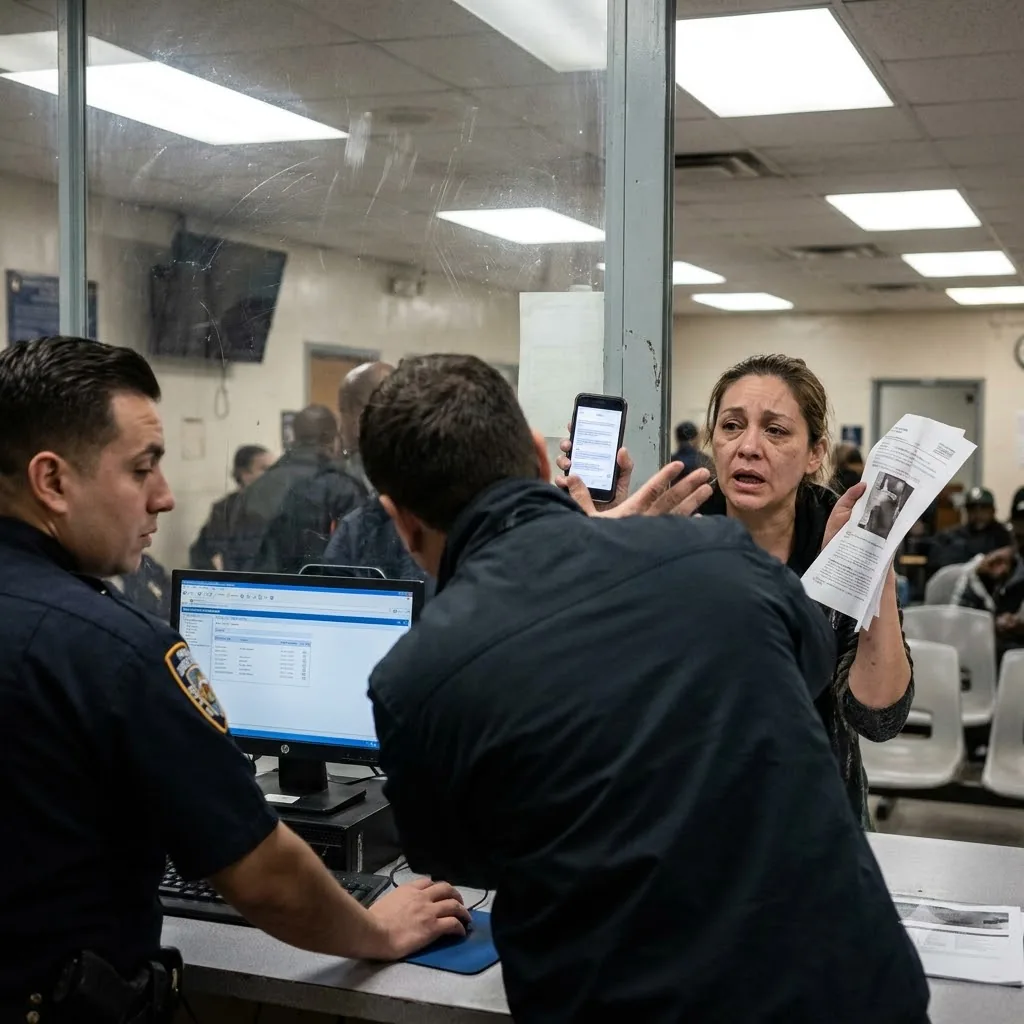
My friend Alyssa Moreno walked up to a police intake window with screenshots showing her cloud photo backups had been deleted, and before the desk sergeant even took the papers, Alyssa’s ex told her she was not allowed to make the report because they used to date. Desk Sergeant Nina Carver said it back like it was standard policy, right there over the counter while phones rang and people in the waiting chairs kept sliding intake slips under the glass. Alyssa asked where that rule was written, and nobody could show her a single line.
I’m calling this exactly how it unfolded because the ugliest part was how ordinary the room stayed while the lie did its work.
Alyssa had her phone unlocked before she even reached the counter. On the screen was a cloud account page with recovery notices, time stamps, and a row of deleted backup entries she kept reopening with her thumb. In her other hand she had printed screenshots and two email notices. She didn’t come in yelling. She gave the short version in a controlled voice.
“My ex still has access paths to my old backups,” she said. “The backups with intimate photos were deleted, and he’s been using that to pressure me. I need to make a report and I need this logged now.”
Trent Holloway was standing three feet off her shoulder, not beside her like support, more like he had placed himself where staff would hear him first if he cut in. He did cut in.
“That’s not how intake works,” he said. “Because this is between former partners, she can’t initiate this without the proper authorization. That’s the policy on domestic-related digital property disputes.”
The phrase came out too smooth, like he had already practiced it in the car.
Desk Sergeant Carver took her hand off Alyssa’s papers and slid them a few inches back. “If that’s the status here, then yes, we can’t just open it from the front counter,” she said. “You’d need the special authorization attached before we can process anything tied to that material.”
Alyssa didn’t move for a second. Then she asked the plain question.
“What special authorization?”
Carver shrugged once and looked toward her monitor. “The relationship exception. It should have been explained to you.”
“By who?” Alyssa asked.
Trent answered before Carver did. “It’s standard when there’s prior consent history.”
That got the first visible reaction from people waiting within earshot. Not outrage. Just the small public pause when a room hears something that sounds official but doesn’t fit cleanly. A man filling out a theft form looked up. Officer Ben Rourke, two windows down, kept calling the next person while listening sideways.
Alyssa set her printouts flat on the counter. “Please show me where that is written. Show me one page that says I can’t report deleted backups or threats because I dated him.”
Carver did not show a page. She tapped two keys, frowned at the screen for less than a second, and said, “It’s an intake limitation.”
“That’s not a location,” Alyssa said. “That’s not a rule.”
She kept her voice even. That mattered because nobody in that room could dismiss her as out of control. Every time she spoke, she went back to specifics. Date. Time. Account notices. A backup folder gone. An access alert from a known device. A message from Trent telling her she needed to stop “making things difficult” if she wanted anything recovered.
Carver still didn’t take the report.
Instead she asked Trent, “Do you have the authorization reference?”
He pulled up a screenshot on his own phone, held it at an angle, and never actually passed it over. From where I stood, all anybody could really see was a cropped block of text with no header and no source. He said, “It’s in the guidance notes. I already checked.”
Alyssa asked to see the full page. He did not hand her the phone.
Officer Rourke processed a lost-wallet report for a college kid at the next station, asked for a name, date, and last known location, and printed a case slip in under four minutes. Then he started helping an older woman log harassing messages from a neighbor. No one asked either of them for anything called relationship authorization.
Alyssa noticed it too. She pointed, not at the people, but at the process.
“So she can report threatening messages,” Alyssa said carefully, nodding toward the next window, “but I can’t report deleted intimate backups and coercive texts because I used to live with the person doing it?”
Carver folded her arms. “This is different.”
“How?”
Carver glanced at Trent again, then back at the monitor. “Because once there was a relationship, rights around access and materials get complicated.”
Alyssa pushed one printed page forward until it touched the glass. It was an account email showing the backup deletion time and a recovery deadline. “Complicated is not the same as blocked,” she said. “Take the report.”
Carver did not take it.
She said, in a voice loud enough for the waiting chairs to hear, “Ma’am, I’m not opening a report the desk is not authorized to open.”
That should have settled it, except two minutes later Rourke asked a man at the next station whether the person who damaged his truck was “an ex, family, coworker, whoever,” and when the man said, “Ex-brother-in-law,” Rourke kept typing without missing a beat.
Alyssa turned back to Carver.
“If prior relationships block reporting,” she said, “why is it only blocking me?”
My friend Alyssa Moreno walked up to a police intake window with screenshots showing her cloud photo backups had been deleted, and before the desk sergeant even took the papers, Alyssa’s ex told her she was not allowed to make the report because they used to date. Desk Sergeant Nina Carver said it back like it was standard policy, right there over the counter while phones rang and people in the waiting chairs kept sliding intake slips under the glass. Alyssa asked where that rule was written, and nobody could show her a single line.
I’m calling this exactly how it unfolded because the ugliest part was how ordinary the room stayed while the lie did its work.
Alyssa had her phone unlocked before she even reached the counter. On the screen was a cloud account page with recovery notices, time stamps, and a row of deleted backup entries she kept reopening with her thumb. In her other hand she had printed screenshots and two email notices. She didn’t come in yelling. She gave the short version in a controlled voice.
“My ex still has access paths to my old backups,” she said. “The backups with intimate photos were deleted, and he’s been using that to pressure me. I need to make a report and I need this logged now.”
Trent Holloway was standing three feet off her shoulder, not beside her like support, more like he had placed himself where staff would hear him first if he cut in. He did cut in.
“That’s not how intake works,” he said. “Because this is between former partners, she can’t initiate this without the proper authorization. That’s the policy on domestic-related digital property disputes.”
The phrase came out too smooth, like he had already practiced it in the car.
Desk Sergeant Carver took her hand off Alyssa’s papers and slid them a few inches back. “If that’s the status here, then yes, we can’t just open it from the front counter,” she said. “You’d need the special authorization attached before we can process anything tied to that material.”
Alyssa didn’t move for a second. Then she asked the plain question.
“What special authorization?”
Carver shrugged once and looked toward her monitor. “The relationship exception. It should have been explained to you.”
“By who?” Alyssa asked.
Trent answered before Carver did. “It’s standard when there’s prior consent history.”
That got the first visible reaction from people waiting within earshot. Not outrage. Just the small public pause when a room hears something that sounds official but doesn’t fit cleanly. A man filling out a theft form looked up. Officer Ben Rourke, two windows down, kept calling the next person while listening sideways.
Alyssa set her printouts flat on the counter. “Please show me where that is written. Show me one page that says I can’t report deleted backups or threats because I dated him.”
Carver did not show a page. She tapped two keys, frowned at the screen for less than a second, and said, “It’s an intake limitation.”
“That’s not a location,” Alyssa said. “That’s not a rule.”
She kept her voice even. That mattered because nobody in that room could dismiss her as out of control. Every time she spoke, she went back to specifics. Date. Time. Account notices. A backup folder gone. An access alert from a known device. A message from Trent telling her she needed to stop “making things difficult” if she wanted anything recovered.
Carver still didn’t take the report.
Instead she asked Trent, “Do you have the authorization reference?”
He pulled up a screenshot on his own phone, held it at an angle, and never actually passed it over. From where I stood, all anybody could really see was a cropped block of text with no header and no source. He said, “It’s in the guidance notes. I already checked.”
Alyssa asked to see the full page. He did not hand her the phone.
Officer Rourke processed a lost-wallet report for a college kid at the next station, asked for a name, date, and last known location, and printed a case slip in under four minutes. Then he started helping an older woman log harassing messages from a neighbor. No one asked either of them for anything called relationship authorization.
Alyssa noticed it too. She pointed, not at the people, but at the process.
“So she can report threatening messages,” Alyssa said carefully, nodding toward the next window, “but I can’t report deleted intimate backups and coercive texts because I used to live with the person doing it?”
Carver folded her arms. “This is different.”
“How?”
Carver glanced at Trent again, then back at the monitor. “Because once there was a relationship, rights around access and materials get complicated.”
Alyssa pushed one printed page forward until it touched the glass. It was an account email showing the backup deletion time and a recovery deadline. “Complicated is not the same as blocked,” she said. “Take the report.”
Carver did not take it.
She said, in a voice loud enough for the waiting chairs to hear, “Ma’am, I’m not opening a report the desk is not authorized to open.”
That should have settled it, except two minutes later Rourke asked a man at the next station whether the person who damaged his truck was “an ex, family, coworker, whoever,” and when the man said, “Ex-brother-in-law,” Rourke kept typing without missing a beat.
Alyssa turned back to Carver.
“If prior relationships block reporting,” she said, “why is it only blocking me?”