Story code: ST-000943
Part 1: The Wrong Word on the Form
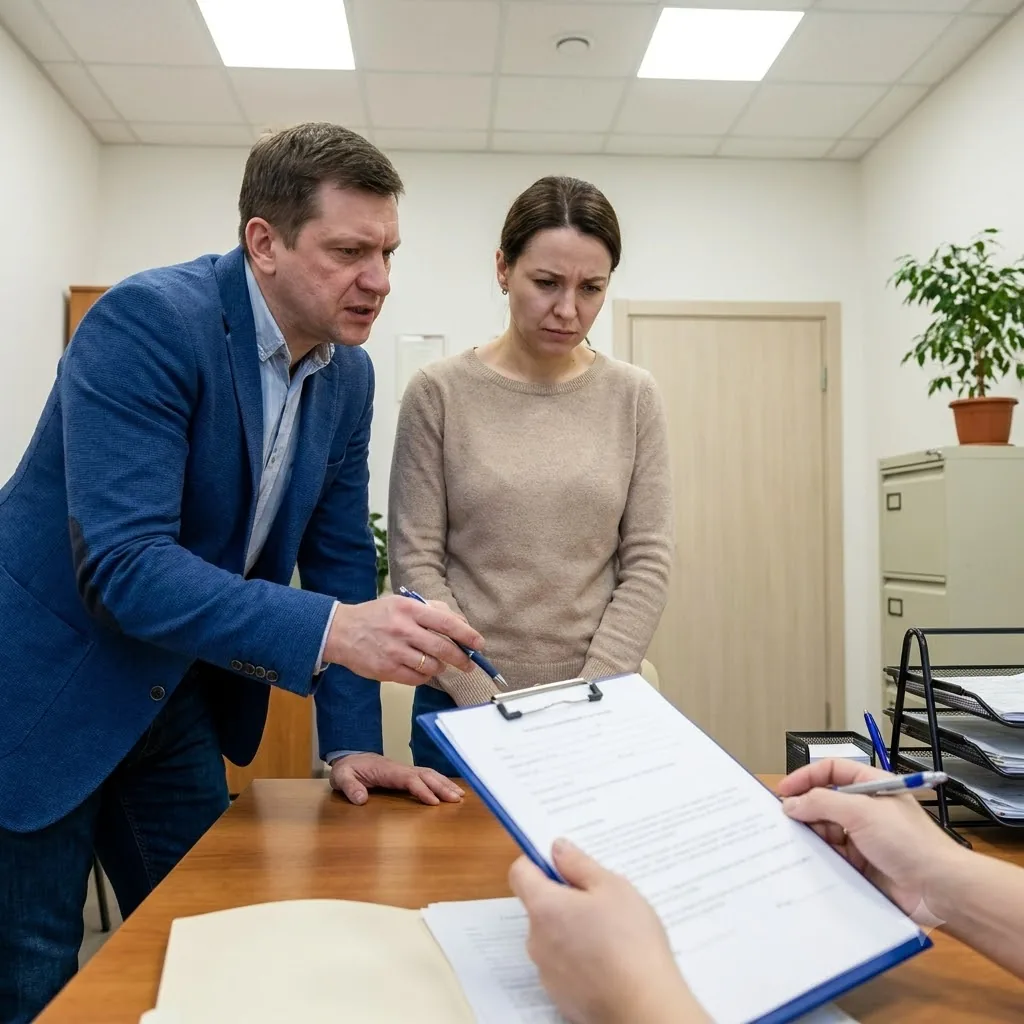
My patient had not even sat down before her husband answered the first question for her, right there in our reception-adjacent consult room with the embryo consent form already clipped to my hardboard folder. He kept his hand on the back of Lena Mercer’s chair like he was placing her, and when I asked what brought them in that morning, she looked at him and repeated the line he had clearly given her: “We’re here to discard the embryos for implantation.”
I stopped with my pen over the date line.
The room was ordinary in every other way. Phones rang at the nurse station down the short hallway. Someone rolled a vitals cart past the half-closed door. A paper water cup sat untouched on the side counter beside the box of tissues nobody ever wanted to notice. But that sentence landed wrong enough that it cut through all of it.
Evan Mercer smiled before I looked up. “We’ve already discussed this several times,” he said. “We just need to get the consent witnessed so we can move things along.”
I slid the embryo consent form out in front of Lena instead of answering him. “I’m going to verify identity first,” I said.
My voice stays even when a room starts tightening. It has to. I checked Lena’s ID band against the check sheet, then Evan’s driver’s license against the chart copy we already had. Lena sat with both hands under the edge of the folder. Evan leaned in each time I asked a question, like he could catch it before it reached her.
“Can you tell me, in your own words, what this form is for today?” I asked Lena.
She blinked once, looked at the top page, then at Evan.
“We’re here to discard the embryos for implantation,” she said again, slower this time.
He gave a quick nod, almost before she finished.
The wrong word was still there.
Discard. Implantation.
Those two words did not belong together on this form, not in the way she was saying them. Patients come in nervous all the time. They mix up terms. They ask me to explain things twice, three times. That part is normal. What stopped me was not confusion by itself. It was the shape of the sentence. It sounded memorized, polished smooth, and still built around language that did not fit the choice in front of her.
I tapped the heading with one finger. “This paperwork is about stored embryos,” I said. “I need you to tell me what you understand the instruction to be.”
Evan answered first. “It means they’re no longer preserving them.”
I kept my eyes on Lena. “I need her answer.”
He let out a short breath through his nose and leaned back half an inch. “That is her answer. She gets flustered with medical wording.”
Lena touched the bottom corner of the form but did not pull it closer. “I said it,” she said quietly.
“You did,” I said. “I just need it in plain language.”
Another pause. A long one this time. The kind where the hallway noise starts sounding louder because nobody in the room is moving enough to cover it.
Evan broke it. “She wants the embryos discarded,” he said. “That’s the decision. We don’t need to make this into a vocabulary test.”
I wrote nothing down.
“When you say ‘for implantation,’ what does that mean to you?” I asked Lena.
Her fingers pinched the paper edge. She opened her mouth, then glanced sideways.
Evan stepped in fast. “It means they were created for implantation. That’s all she means.”
Lena repeated, “Created for implantation,” but it came out like an edit, not an answer.
I had heard enough repetitions to know the line was being steered, but procedure is procedure. I could not say coached because I could not prove coached. What I could prove was right there on the page and in the order of the voices.
I turned the form so both of them could see the options clearly. “This is why I’m slowing down,” I said. “Different instructions on embryo paperwork carry different consequences. If a word is used incorrectly, I have to stop and clarify before anything is witnessed.”
Evan’s smile tightened. “We’re not confused. We’ve been trying to get this done for weeks.”
“Then this should be easy to explain,” I said.
He looked at Lena before she looked at him.
That was when I paged Dr. Priya Shah to join us, not because I needed backup for a fight, but because I wanted a second clinician in the room before the process moved one inch farther. While we waited, Evan kept trying to fill every gap.
“She knows what she wants.”
“We talked about this at home.”
“She always mixes up the terms when people put her on the spot.”
Each sentence came faster than the one before it. Lena stayed quiet with one thumb rubbing the edge of the folder until the paper clicked against the board.
When Dr. Shah stepped in from the hallway, I gave her the shortest version possible. “We’re on embryo consent. I’m not getting a clear patient explanation.”
Dr. Shah nodded once and took the chair across from Lena. “All right,” she said. “Let’s start simple. Lena, tell me what you are asking the clinic to do with your embryos.”
Lena drew in a breath.
Evan answered first.
And that was the moment I knew the wrong word was not the only problem in the room.
My patient had not even sat down before her husband answered the first question for her, right there in our reception-adjacent consult room with the embryo consent form already clipped to my hardboard folder. He kept his hand on the back of Lena Mercer’s chair like he was placing her, and when I asked what brought them in that morning, she looked at him and repeated the line he had clearly given her: “We’re here to discard the embryos for implantation.”
I stopped with my pen over the date line.
The room was ordinary in every other way. Phones rang at the nurse station down the short hallway. Someone rolled a vitals cart past the half-closed door. A paper water cup sat untouched on the side counter beside the box of tissues nobody ever wanted to notice. But that sentence landed wrong enough that it cut through all of it.
Evan Mercer smiled before I looked up. “We’ve already discussed this several times,” he said. “We just need to get the consent witnessed so we can move things along.”
I slid the embryo consent form out in front of Lena instead of answering him. “I’m going to verify identity first,” I said.
My voice stays even when a room starts tightening. It has to. I checked Lena’s ID band against the check sheet, then Evan’s driver’s license against the chart copy we already had. Lena sat with both hands under the edge of the folder. Evan leaned in each time I asked a question, like he could catch it before it reached her.
“Can you tell me, in your own words, what this form is for today?” I asked Lena.
She blinked once, looked at the top page, then at Evan.
“We’re here to discard the embryos for implantation,” she said again, slower this time.
He gave a quick nod, almost before she finished.
The wrong word was still there.
Discard. Implantation.
Those two words did not belong together on this form, not in the way she was saying them. Patients come in nervous all the time. They mix up terms. They ask me to explain things twice, three times. That part is normal. What stopped me was not confusion by itself. It was the shape of the sentence. It sounded memorized, polished smooth, and still built around language that did not fit the choice in front of her.
I tapped the heading with one finger. “This paperwork is about stored embryos,” I said. “I need you to tell me what you understand the instruction to be.”
Evan answered first. “It means they’re no longer preserving them.”
I kept my eyes on Lena. “I need her answer.”
He let out a short breath through his nose and leaned back half an inch. “That is her answer. She gets flustered with medical wording.”
Lena touched the bottom corner of the form but did not pull it closer. “I said it,” she said quietly.
“You did,” I said. “I just need it in plain language.”
Another pause. A long one this time. The kind where the hallway noise starts sounding louder because nobody in the room is moving enough to cover it.
Evan broke it. “She wants the embryos discarded,” he said. “That’s the decision. We don’t need to make this into a vocabulary test.”
I wrote nothing down.
“When you say ‘for implantation,’ what does that mean to you?” I asked Lena.
Her fingers pinched the paper edge. She opened her mouth, then glanced sideways.
Evan stepped in fast. “It means they were created for implantation. That’s all she means.”
Lena repeated, “Created for implantation,” but it came out like an edit, not an answer.
I had heard enough repetitions to know the line was being steered, but procedure is procedure. I could not say coached because I could not prove coached. What I could prove was right there on the page and in the order of the voices.
I turned the form so both of them could see the options clearly. “This is why I’m slowing down,” I said. “Different instructions on embryo paperwork carry different consequences. If a word is used incorrectly, I have to stop and clarify before anything is witnessed.”
Evan’s smile tightened. “We’re not confused. We’ve been trying to get this done for weeks.”
“Then this should be easy to explain,” I said.
He looked at Lena before she looked at him.
That was when I paged Dr. Priya Shah to join us, not because I needed backup for a fight, but because I wanted a second clinician in the room before the process moved one inch farther. While we waited, Evan kept trying to fill every gap.
“She knows what she wants.”
“We talked about this at home.”
“She always mixes up the terms when people put her on the spot.”
Each sentence came faster than the one before it. Lena stayed quiet with one thumb rubbing the edge of the folder until the paper clicked against the board.
When Dr. Shah stepped in from the hallway, I gave her the shortest version possible. “We’re on embryo consent. I’m not getting a clear patient explanation.”
Dr. Shah nodded once and took the chair across from Lena. “All right,” she said. “Let’s start simple. Lena, tell me what you are asking the clinic to do with your embryos.”
Lena drew in a breath.
Evan answered first.
And that was the moment I knew the wrong word was not the only problem in the room.