Story code: ST-000714
Part 1: She Needed an Audience
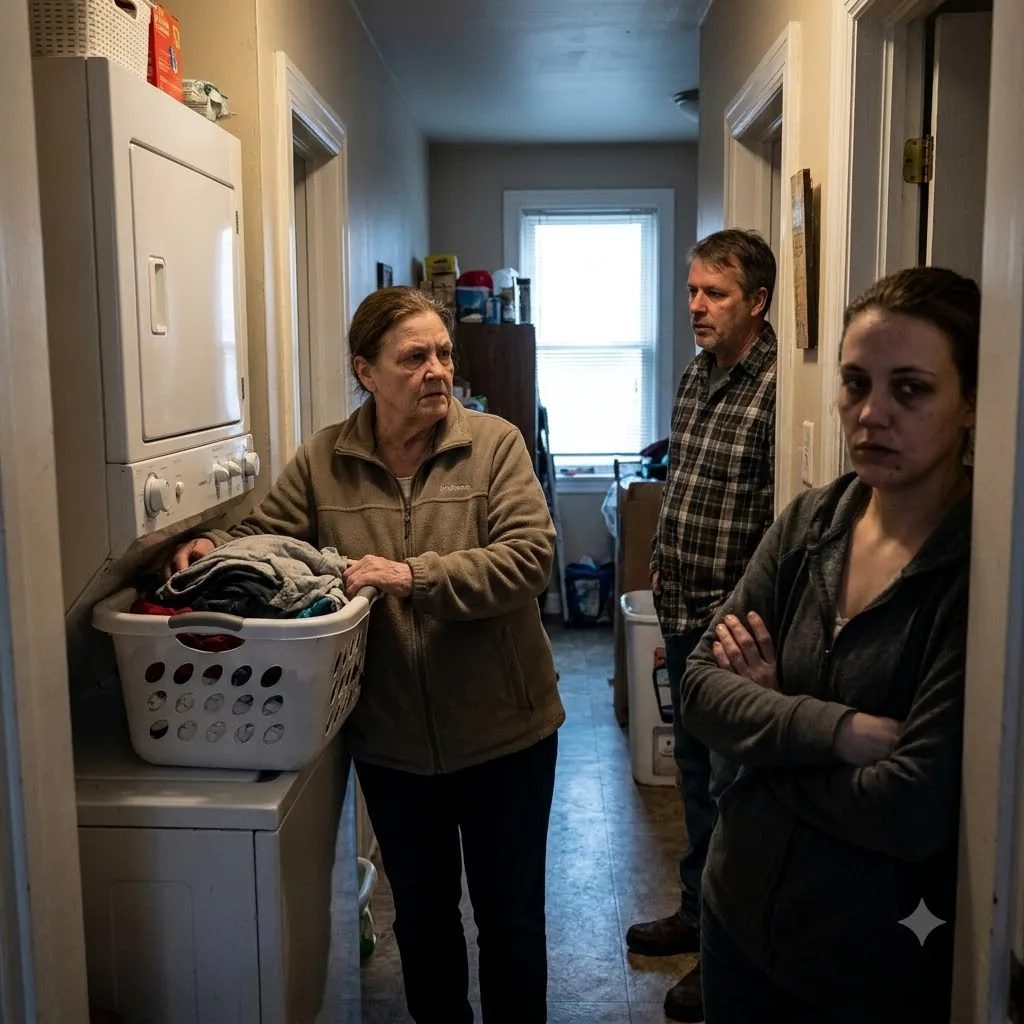
My landlord stood in the narrow hall by the washer and dryer, one hand on my plastic laundry basket, and told my neighbor, “I do so much for Jenna, but some people don’t appreciate being helped.” She said it while my clean clothes were sitting there in the open like evidence, and when I reached for the basket she pulled it a little closer to her leg and added, “Leave it. I’ve been carrying this for months.” The part that got under my skin wasn’t the basket. It was that she made it sound like I was some helpless burden in my own duplex. I rent one side of a duplex from Sharon Bell. She lives close enough on the other side that nothing stays fully private unless I force it to. The washer and dryer sit off a tight interior pass-through near the back entry, the kind of spot you have to cross if you’re carrying groceries, taking out trash, or letting someone in from the driveway. If Sharon wanted something seen, she knew exactly where to leave it. At first I thought she was just overfamiliar. She’d text me stuff like, “I switched your load over so it wouldn’t wrinkle,” or, “I folded the towels while I was doing mine.” I thanked her because normal people thank someone for small favors. Then I started noticing that every favor came with a witness. If Maya from next door was walking up the front path, Sharon would somehow be holding my basket. If her brother Eric dropped by, Sharon would say, loud enough for me to hear through my own open back door, “Poor Jenna works so hard. Good thing I don’t mind stepping in.” The basket would be right there with its worn white handles, full or half full, like she had rescued me from some major life collapse instead of moving a load of laundry twenty feet. I tried to shut it down politely. One afternoon I said, “Sharon, you really don’t need to touch my laundry. I’ve got it.” She smiled without looking at me and kept matching socks on top of my dryer. “Honey, if I waited for you to ask for help, you’d drown in your own responsibilities.” That landed harder than it should have, mostly because Maya was standing in the shared driveway with her mail in her hand. Maya glanced up, then back down, the way people do when they know something is off but don’t know where to put their eyes. I said, “I’m not asking for help now either. I want to handle my own stuff.” Sharon finally looked at me. “And I want basic respect in my own property. If I’m kind enough to make your life easier, the least you can do is not make me feel unwelcome.” That was when I understood the favor wasn’t free. Thank you had become permission. After that, the basket started showing up in places it didn’t belong. I would leave it tucked by my washer, and later it would be sitting near the back entry where anyone crossing through could see it. Once I came home from work and found it parked right beside the front walkway with two of my towels folded over the top like a display. Sharon was out watering a little strip of flowers by the porch. She said, “I just finished helping you out again.” I picked up the basket and said, “Please stop bringing my laundry to the front of the house.” She gave me that calm, offended voice people use when they want bystanders to hear how unreasonable you are. “You could say thank you before giving instructions.” Eric was there that time, leaning against his truck. He laughed like this was all harmless and said, “Your generation doesn’t know what it means when somebody sacrifices for you.” I looked at him, then at Sharon, then at my own underwear half hidden under a towel in the basket she had carried out where people could see it. I said, “Nobody asked her to do this.” Sharon’s mouth tightened for a second. Then she said, “That’s exactly the problem. I do things because they need to be done, and all I get back is attitude.” That phrase started showing up anytime I pushed back. If I asked her not to let herself through my side when the back door was unlocked for airflow, she brought up the laundry. If I told her I could take my own trash can to the curb, she brought up the laundry. If I didn’t answer a text fast enough, I’d get another one: “After everything I do around here, I shouldn’t have to chase you for a response.” It sounds stupid when the object is a basket of clothes. That’s what made it so slippery. If I complained out loud, I would sound petty. She was counting on that. All anybody else could see was an older landlord doing little household favors for a younger tenant. The worst part came the night Maya was on the porch talking to Sharon while I was carrying a fresh load from the dryer. Sharon stepped into the hallway before I could pass, took one handle of my basket like she had every right to it, and said, “Give me that. Since I’m always the one carrying your load anyway, you can at least keep the noise down after ten.” I stopped walking. That was the first time she said the quiet part plainly. The laundry wasn’t laundry. It was leverage. I let go of the basket because I didn’t want a tug-of-war in front of Maya. Sharon carried it three steps into the common sightline and set it down where both back doors and the driveway met. Then she went right back to her conversation like she had just proved something. I stood there staring at my own clothes in that worn plastic basket and realized something I hadn’t wanted to test before.
My landlord stood in the narrow hall by the washer and dryer, one hand on my plastic laundry basket, and told my neighbor, “I do so much for Jenna, but some people don’t appreciate being helped.” She said it while my clean clothes were sitting there in the open like evidence, and when I reached for the basket she pulled it a little closer to her leg and added, “Leave it. I’ve been carrying this for months.” The part that got under my skin wasn’t the basket. It was that she made it sound like I was some helpless burden in my own duplex. I rent one side of a duplex from Sharon Bell. She lives close enough on the other side that nothing stays fully private unless I force it to. The washer and dryer sit off a tight interior pass-through near the back entry, the kind of spot you have to cross if you’re carrying groceries, taking out trash, or letting someone in from the driveway. If Sharon wanted something seen, she knew exactly where to leave it. At first I thought she was just overfamiliar. She’d text me stuff like, “I switched your load over so it wouldn’t wrinkle,” or, “I folded the towels while I was doing mine.” I thanked her because normal people thank someone for small favors. Then I started noticing that every favor came with a witness. If Maya from next door was walking up the front path, Sharon would somehow be holding my basket. If her brother Eric dropped by, Sharon would say, loud enough for me to hear through my own open back door, “Poor Jenna works so hard. Good thing I don’t mind stepping in.” The basket would be right there with its worn white handles, full or half full, like she had rescued me from some major life collapse instead of moving a load of laundry twenty feet. I tried to shut it down politely. One afternoon I said, “Sharon, you really don’t need to touch my laundry. I’ve got it.” She smiled without looking at me and kept matching socks on top of my dryer. “Honey, if I waited for you to ask for help, you’d drown in your own responsibilities.” That landed harder than it should have, mostly because Maya was standing in the shared driveway with her mail in her hand. Maya glanced up, then back down, the way people do when they know something is off but don’t know where to put their eyes. I said, “I’m not asking for help now either. I want to handle my own stuff.” Sharon finally looked at me. “And I want basic respect in my own property. If I’m kind enough to make your life easier, the least you can do is not make me feel unwelcome.” That was when I understood the favor wasn’t free. Thank you had become permission. After that, the basket started showing up in places it didn’t belong. I would leave it tucked by my washer, and later it would be sitting near the back entry where anyone crossing through could see it. Once I came home from work and found it parked right beside the front walkway with two of my towels folded over the top like a display. Sharon was out watering a little strip of flowers by the porch. She said, “I just finished helping you out again.” I picked up the basket and said, “Please stop bringing my laundry to the front of the house.” She gave me that calm, offended voice people use when they want bystanders to hear how unreasonable you are. “You could say thank you before giving instructions.” Eric was there that time, leaning against his truck. He laughed like this was all harmless and said, “Your generation doesn’t know what it means when somebody sacrifices for you.” I looked at him, then at Sharon, then at my own underwear half hidden under a towel in the basket she had carried out where people could see it. I said, “Nobody asked her to do this.” Sharon’s mouth tightened for a second. Then she said, “That’s exactly the problem. I do things because they need to be done, and all I get back is attitude.” That phrase started showing up anytime I pushed back. If I asked her not to let herself through my side when the back door was unlocked for airflow, she brought up the laundry. If I told her I could take my own trash can to the curb, she brought up the laundry. If I didn’t answer a text fast enough, I’d get another one: “After everything I do around here, I shouldn’t have to chase you for a response.” It sounds stupid when the object is a basket of clothes. That’s what made it so slippery. If I complained out loud, I would sound petty. She was counting on that. All anybody else could see was an older landlord doing little household favors for a younger tenant. The worst part came the night Maya was on the porch talking to Sharon while I was carrying a fresh load from the dryer. Sharon stepped into the hallway before I could pass, took one handle of my basket like she had every right to it, and said, “Give me that. Since I’m always the one carrying your load anyway, you can at least keep the noise down after ten.” I stopped walking. That was the first time she said the quiet part plainly. The laundry wasn’t laundry. It was leverage. I let go of the basket because I didn’t want a tug-of-war in front of Maya. Sharon carried it three steps into the common sightline and set it down where both back doors and the driveway met. Then she went right back to her conversation like she had just proved something. I stood there staring at my own clothes in that worn plastic basket and realized something I hadn’t wanted to test before.