Story code: ST-000536
Part 1: The Key She Could Never Manage
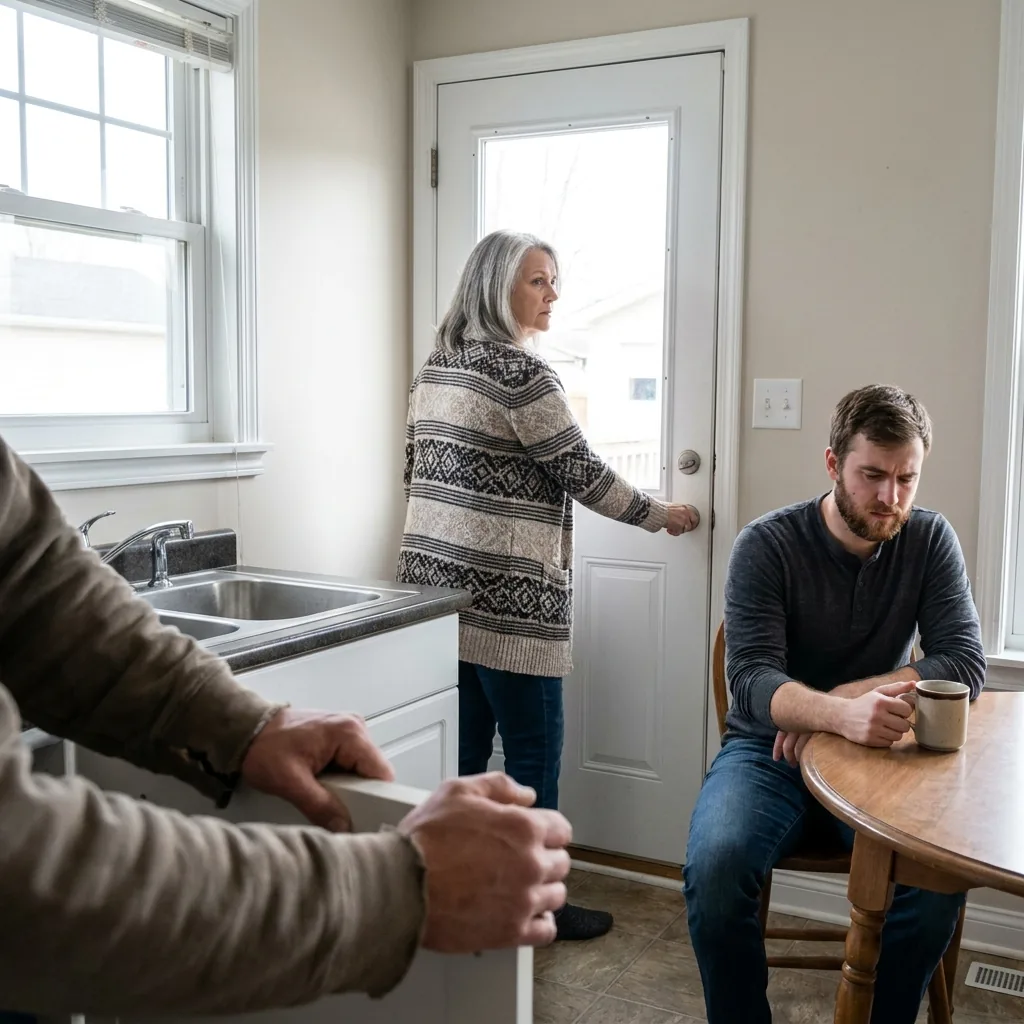
My mother-in-law locked me out through the back door again while I was standing three feet away at the kitchen sink, and somehow I was still the one getting blamed for where the key was. Linda had just used that same key, fumbled it loud enough for everyone to hear over the running water and grocery bags on the counter, and then looked at me like I had failed some job nobody had actually handed me. The part that kept catching in my throat was this: every time she “forgot” how the back door key worked, the mess landed in my lap.
I was rinsing lettuce at the sink, lining containers on the counter in a row the way I always did before putting groceries away. The back door sits off the kitchen, two steps from the island and a few feet from the hook where we keep the key ring. Linda came in carrying two paper bags against her hip.
“Tessa, open this,” she called, even though the door was already open and she was the one holding the key.
I turned with water still running over my hands. “You have the key. The deadbolt sticks, so you push in a little first.”
She gave a short, breathy laugh like I had asked her to rewire the house. “I never get this right.”
She put the bag down on the floor, pinched the key between two fingers, and scraped it against the plate instead of the keyway. Metal clicked. She tried again too high. Then she twisted the knob without even turning the lock, made a small frustrated sound, and stepped back from the door.
That was the routine. Touch the key. Miss in a way that made noise. Stop before the task was actually done.
I dried my hands on a dish towel and crossed the kitchen. By the time I got there, she had already set one grocery bag on the mat, so cold air was rolling over the tile and one carton of berries had tipped onto its side.
“Here,” she said, placing the key ring into my palm with a little drop of her wrist, as if she were passing over an impossible machine.
I pushed the door tighter, lined the key up, turned it, and opened it in one motion.
Evan looked up from the island where he was sorting mail. “What happened now?”
Linda answered before I could. “I told her I can never remember which way this key goes, and she left it on the hook instead of helping me.”
I still had the key in my hand. “You took it off the hook yourself.”
She bent to rescue the berries and said, very mild, “Well, I thought I had the right one.”
There was only one house key on that ring. One brass key, one grocery-store tag, one faded blue fob. Nothing else.
Evan pushed the mail into a stack. “Can we just keep it in one place? I don’t care where. We lose ten minutes every time this happens.”
He said it toward me because I was the one standing there with the key.
So I wiped the wet floor strip by the door, put the berries in a bowl, rehung the key, and went back to the sink. Linda came behind me and set cans on the counter one at a time, loudly enough that each one made a point.
That afternoon should have ended there, but the back door kept pulling me back across the kitchen. Linda took the trash out and called me because the key “wouldn’t catch.” I was slicing chicken at the counter and had to wash my hands again. Later she went to get a package from the patio and tapped on the glass with the key dangling from her fingers, waiting for me to come over and fix it. Every time, I stopped what I was doing. Every time, the key passed from her hand to mine. Every time, someone acted like I was the reason the kitchen kept stalling out.
By dinner, Maya Ortiz from next door had stepped in through the side gate with two serving trays she had borrowed for a school event. She stood near the island while I cleared a space beside the mixer.
Linda came in from the patio then, carrying herb pots. “Tessa,” she called, “the door again.”
Maya shifted to let her through. “Do you want me to grab it?”
“No, no,” Linda said quickly. “I’ll only do it wrong.”
She held the key ring out toward me without even trying this time.
I took it, unlocked the door, and moved the pots inside. Dirt shook onto the mat. Linda brushed her hands together and told Maya, with a little smile, “I am hopeless with that lock. Tessa knows the trick.”
Maya looked at the hook, then at the door, then back at me. “Same key every time?”
“Same key,” I said.
Linda gave a helpless shrug and reached for one of the trays. The key ring was still in my hand. As she passed me, she turned, reached behind her without looking, and hung a measuring spoon back onto the mug tree perfectly on the first try.
It was a tiny movement. Quick. Exact. No searching, no fumbling, no peering close.
Then she saw me looking and let her fingers spread open. “I swear my hands just don’t work right with keys,” she said.
I put the key back on the hook and said nothing. But from that point on, I started watching every handoff, every miss, every time the metal touched the wrong place first. Because if she really could not manage a single brass key three feet from the kitchen island, I could not explain why her hand had moved like that when she thought nobody needed an explanation.
My mother-in-law locked me out through the back door again while I was standing three feet away at the kitchen sink, and somehow I was still the one getting blamed for where the key was. Linda had just used that same key, fumbled it loud enough for everyone to hear over the running water and grocery bags on the counter, and then looked at me like I had failed some job nobody had actually handed me. The part that kept catching in my throat was this: every time she “forgot” how the back door key worked, the mess landed in my lap.
I was rinsing lettuce at the sink, lining containers on the counter in a row the way I always did before putting groceries away. The back door sits off the kitchen, two steps from the island and a few feet from the hook where we keep the key ring. Linda came in carrying two paper bags against her hip.
“Tessa, open this,” she called, even though the door was already open and she was the one holding the key.
I turned with water still running over my hands. “You have the key. The deadbolt sticks, so you push in a little first.”
She gave a short, breathy laugh like I had asked her to rewire the house. “I never get this right.”
She put the bag down on the floor, pinched the key between two fingers, and scraped it against the plate instead of the keyway. Metal clicked. She tried again too high. Then she twisted the knob without even turning the lock, made a small frustrated sound, and stepped back from the door.
That was the routine. Touch the key. Miss in a way that made noise. Stop before the task was actually done.
I dried my hands on a dish towel and crossed the kitchen. By the time I got there, she had already set one grocery bag on the mat, so cold air was rolling over the tile and one carton of berries had tipped onto its side.
“Here,” she said, placing the key ring into my palm with a little drop of her wrist, as if she were passing over an impossible machine.
I pushed the door tighter, lined the key up, turned it, and opened it in one motion.
Evan looked up from the island where he was sorting mail. “What happened now?”
Linda answered before I could. “I told her I can never remember which way this key goes, and she left it on the hook instead of helping me.”
I still had the key in my hand. “You took it off the hook yourself.”
She bent to rescue the berries and said, very mild, “Well, I thought I had the right one.”
There was only one house key on that ring. One brass key, one grocery-store tag, one faded blue fob. Nothing else.
Evan pushed the mail into a stack. “Can we just keep it in one place? I don’t care where. We lose ten minutes every time this happens.”
He said it toward me because I was the one standing there with the key.
So I wiped the wet floor strip by the door, put the berries in a bowl, rehung the key, and went back to the sink. Linda came behind me and set cans on the counter one at a time, loudly enough that each one made a point.
That afternoon should have ended there, but the back door kept pulling me back across the kitchen. Linda took the trash out and called me because the key “wouldn’t catch.” I was slicing chicken at the counter and had to wash my hands again. Later she went to get a package from the patio and tapped on the glass with the key dangling from her fingers, waiting for me to come over and fix it. Every time, I stopped what I was doing. Every time, the key passed from her hand to mine. Every time, someone acted like I was the reason the kitchen kept stalling out.
By dinner, Maya Ortiz from next door had stepped in through the side gate with two serving trays she had borrowed for a school event. She stood near the island while I cleared a space beside the mixer.
Linda came in from the patio then, carrying herb pots. “Tessa,” she called, “the door again.”
Maya shifted to let her through. “Do you want me to grab it?”
“No, no,” Linda said quickly. “I’ll only do it wrong.”
She held the key ring out toward me without even trying this time.
I took it, unlocked the door, and moved the pots inside. Dirt shook onto the mat. Linda brushed her hands together and told Maya, with a little smile, “I am hopeless with that lock. Tessa knows the trick.”
Maya looked at the hook, then at the door, then back at me. “Same key every time?”
“Same key,” I said.
Linda gave a helpless shrug and reached for one of the trays. The key ring was still in my hand. As she passed me, she turned, reached behind her without looking, and hung a measuring spoon back onto the mug tree perfectly on the first try.
It was a tiny movement. Quick. Exact. No searching, no fumbling, no peering close.
Then she saw me looking and let her fingers spread open. “I swear my hands just don’t work right with keys,” she said.
I put the key back on the hook and said nothing. But from that point on, I started watching every handoff, every miss, every time the metal touched the wrong place first. Because if she really could not manage a single brass key three feet from the kitchen island, I could not explain why her hand had moved like that when she thought nobody needed an explanation.