Story code: ST-001144
Part 1: The Intervention
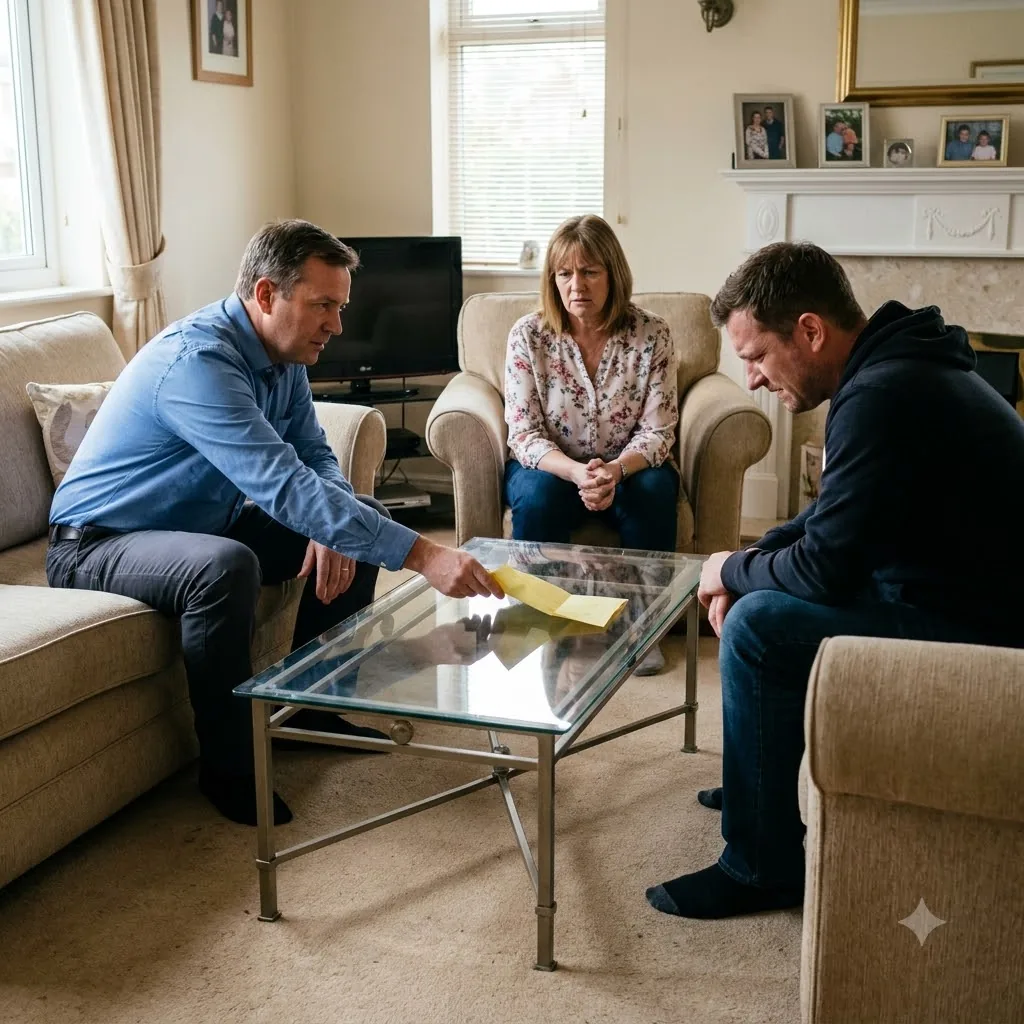
My brother Greg sat on our parents’ beige sofa, sliding a folded yellow sheet of paper across the glass coffee table to declare that he was taking control of my software startup. He told our mother and father that my mental health made me unfit to run the platform I had spent three years coding from scratch, effectively erasing my position as founder in a single afternoon. It was an outright theft of my life’s work, executed in our family living room under the guise of a loving intervention.
“Sarah, we’re doing this because we love you,” Greg said, his voice dripping with practiced, gentle concern. He pointed to the yellow paper. “But when you’re writing things like this, you aren’t in a state to manage a company.”
The paper was a private therapy note I had written during a brief period of creative burnout six months ago. It was filled with raw, unfiltered thoughts about anxiety and exhaustion-things I had typed up to discuss with my therapist, which I kept in a drawer in my home office. Greg had gone through my desk, found it, and printed it out to weaponize against me.
My mother, Helen, wiped her eyes with a tissue. She smelled faintly of the lemon Pledge she had used on the side tables earlier. “Oh, sweetheart,” she whispered, looking at the note. “Greg showed us the journal entries. You’re working yourself to the bone. You’re not sleeping. We just want you to get better.”
“I am fine, Mom,” I said, keeping my voice as flat and controlled as possible. “That was written months ago. The platform is stable, and our subscription revenue is up forty percent.”
“Revenue doesn’t matter if you have a breakdown, Sarah,” my father, Robert, said. He folded his arms, looking down at the carpet. He had always deferred to Greg on business matters, viewing my older brother’s corporate marketing job as a sign of true professional stability. “Greg has agreed to step in as managing director. We signed the corporate resolution this morning to transfer the administrative control of the LLC to his name.”
Because my parents had provided the initial five-thousand-dollar setup loan for the LLC, they held the majority voting shares. I had trusted them. Now, with a single signature, they had handed my startup to Greg.
Greg leaned back, adjusting his collar. He looked pleased, his posture relaxed now that the hard part was over. “I’ll handle the business side, Sarah. You just focus on resting. I’ve already notified the registrar, and the domain ownership has been transferred to my account. You’re officially on administrative leave.”
I looked at my brother, then at the stolen therapy note resting on the glass table. Greg smiled, a small, triumphant curve of his lips that my parents couldn’t see from their angle. He thought he had won. He had the legal papers, the corporate entity, and the blessing of our parents. But as I stared at him, a cold realization settled over my anger, replacing it with a quiet, waiting silence. Greg had the entity registry, but he didn’t know the first thing about what actually kept the platform alive, and he was about to find out how little control he actually possessed.
My brother Greg sat on our parents’ beige sofa, sliding a folded yellow sheet of paper across the glass coffee table to declare that he was taking control of my software startup. He told our mother and father that my mental health made me unfit to run the platform I had spent three years coding from scratch, effectively erasing my position as founder in a single afternoon. It was an outright theft of my life’s work, executed in our family living room under the guise of a loving intervention.
“Sarah, we’re doing this because we love you,” Greg said, his voice dripping with practiced, gentle concern. He pointed to the yellow paper. “But when you’re writing things like this, you aren’t in a state to manage a company.”
The paper was a private therapy note I had written during a brief period of creative burnout six months ago. It was filled with raw, unfiltered thoughts about anxiety and exhaustion-things I had typed up to discuss with my therapist, which I kept in a drawer in my home office. Greg had gone through my desk, found it, and printed it out to weaponize against me.
My mother, Helen, wiped her eyes with a tissue. She smelled faintly of the lemon Pledge she had used on the side tables earlier. “Oh, sweetheart,” she whispered, looking at the note. “Greg showed us the journal entries. You’re working yourself to the bone. You’re not sleeping. We just want you to get better.”
“I am fine, Mom,” I said, keeping my voice as flat and controlled as possible. “That was written months ago. The platform is stable, and our subscription revenue is up forty percent.”
“Revenue doesn’t matter if you have a breakdown, Sarah,” my father, Robert, said. He folded his arms, looking down at the carpet. He had always deferred to Greg on business matters, viewing my older brother’s corporate marketing job as a sign of true professional stability. “Greg has agreed to step in as managing director. We signed the corporate resolution this morning to transfer the administrative control of the LLC to his name.”
Because my parents had provided the initial five-thousand-dollar setup loan for the LLC, they held the majority voting shares. I had trusted them. Now, with a single signature, they had handed my startup to Greg.
Greg leaned back, adjusting his collar. He looked pleased, his posture relaxed now that the hard part was over. “I’ll handle the business side, Sarah. You just focus on resting. I’ve already notified the registrar, and the domain ownership has been transferred to my account. You’re officially on administrative leave.”
I looked at my brother, then at the stolen therapy note resting on the glass table. Greg smiled, a small, triumphant curve of his lips that my parents couldn’t see from their angle. He thought he had won. He had the legal papers, the corporate entity, and the blessing of our parents. But as I stared at him, a cold realization settled over my anger, replacing it with a quiet, waiting silence. Greg had the entity registry, but he didn’t know the first thing about what actually kept the platform alive, and he was about to find out how little control he actually possessed.