Story code: ST-000779
Part 1: She Said He Should Lose His Place
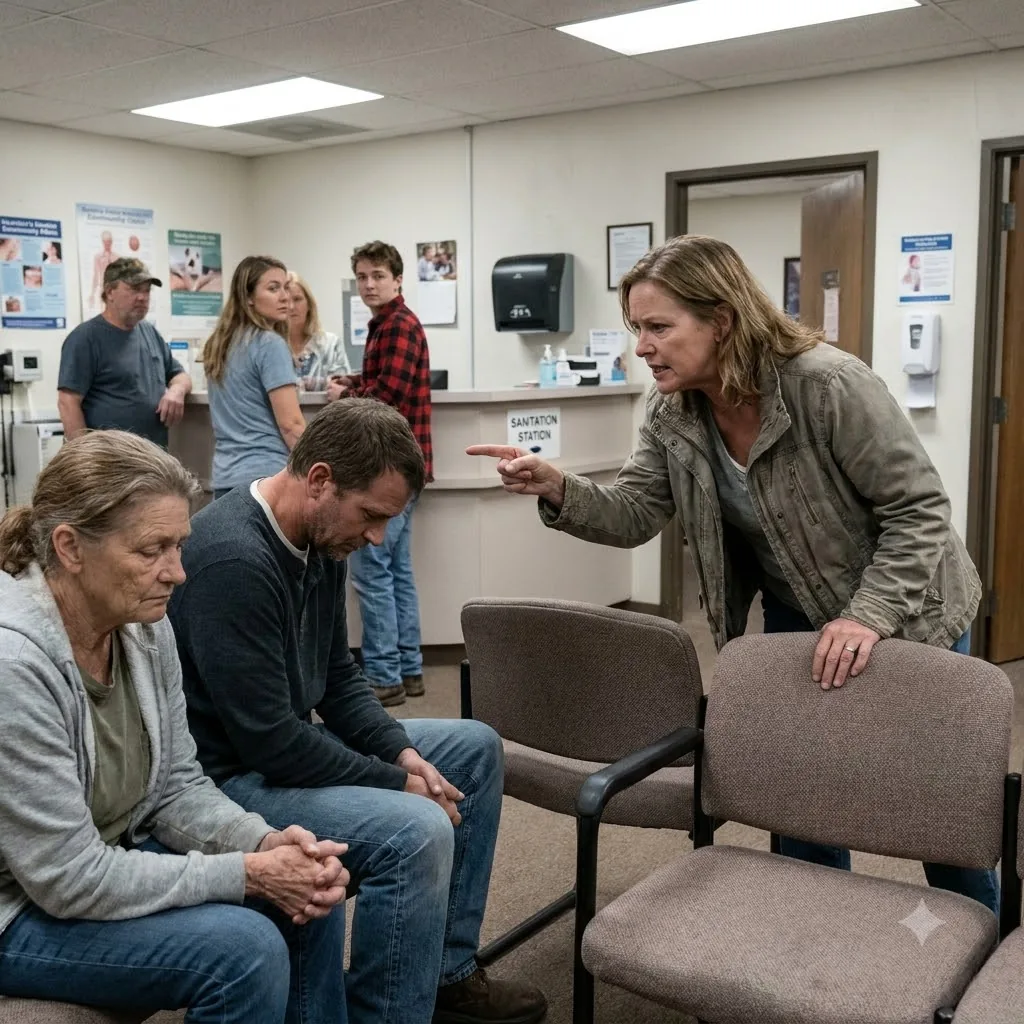
Daria Bell pointed across the memorial seating row and said people like Eli should never be uploaded, not after what he did with a consciousness drive, and she said it loud enough for families at the sanitation station to stop wiping their cases and look over. Naomi Bell was three chairs away with a box of intake wristbands in her hand when the whole waiting area shifted toward Eli like he had already been judged, even though he was still standing there holding the small black drive case with both hands and saying almost nothing.
Bell Harbor Upload Clinic was busy in the ordinary way it always was on Saturday mornings. A volunteer was straightening blankets near the coffee urn. A teenager in donor scrubs was carrying sealed packs from the drive sanitation station to the back counter. Someone’s memorial flowers had left water rings on the side table. Naomi had been helping check families in, pointing them toward the privacy glass corridor when their names were called, and keeping track of which elder needed a chair with arms and which family had forgotten a pen for the consent packet.
Then Daria’s voice cut over all of it.
“No,” she said, one hand flat on the lid of the drive case she had set on the end table beside Marlene’s flowers, as if she were anchoring the room. “I am saying this clearly so there is no confusion. If a person ever breaks chain of custody on a family consciousness drive, that person should lose upload standing. Period. You don’t get to gamble with a human continuation and then ask this clinic to treat you like a grieving son.”
Every head near the check-in desk angled toward Eli.
He did not step forward. He did not raise his voice. He kept his own case close against his ribs and looked past Daria toward the staff doors. “I brought the drive in sealed,” he said.
Daria did not lower her voice. “That is not the point and you know it. You already showed what kind of judgment you have. People who break custody should not be approved. Not here. Not anywhere.”
Naomi saw what happened next because she had seen smaller versions of it before in clinic waiting rooms. Nobody announced a verdict. Nobody had to. A couple at the sanitation station moved their cases closer to themselves. The receptionist who had been smiling at Eli ten minutes earlier stopped smiling and glanced down at his intake line on the monitor. A man from the neighborhood, there for his aunt’s review, leaned toward another family member and whispered without taking his eyes off Eli. Even Marlene, who had been repeating names softly under her breath all morning, turned toward Daria when she heard that word: should.
Should lose upload standing.
At Bell Harbor, that phrase was not casual.
Naomi crossed the tile and set the wristbands on the corner of the check-in desk. “Daria,” she said, controlled and level, “if there’s a custody question, staff can handle it without you trying him in the waiting room.”
Daria turned with the smooth, public face Naomi had seen at memorial panels and donor nights. “I’m not trying anyone. I’m defending the ethical baseline this clinic claims to uphold.”
“Then let the clinic speak for itself,” Naomi said.
Eli shifted the drive case from one hand to the other and said, “You weren’t there when it happened.”
That got attention too. Daria’s chin lifted a fraction. “I know enough,” she said. “And if he wants to deny it in front of Ms. Bell and everybody else, fine. But let’s be plain. If someone takes a drive out of the documented chain for personal reasons, they are not fit to proceed. That’s my position.”
She addressed the next line to the room, not to him. “We keep pretending blood excuses everything. It doesn’t.”
The room grew still in that awkward clinic way where nobody moves because everybody wants the staff to hear first.
Marlene sat very straight with the flowers on her lap. “Daria,” she said softly, “not like this.”
But Daria had already chosen the public version. She looked toward the compliance office window, where Rafael Kline had just appeared behind the glass with a tablet in one hand. He had not come out yet. He was only standing there, still as a post, reading the waiting area before reading the screen.
“Actually,” Daria said, louder now that she knew staff could hear, “yes, like this. If the clinic means anything by its rules, then say it. Chain-of-custody violations should disqualify a person. You cannot claim sacred handling on one side and make family exceptions on the other.”
That line landed harder than the first one. Naomi could see it in the small things. The receptionist stopped calling the next intake name. The teenager in scrubs froze with a sealed packet in both hands. Eli’s shoulders drew in, not dramatic, just enough to make the case look heavier.
Naomi looked at Rafael through the compliance office window. He was not watching Eli anymore. He was watching Daria, then looking down at his tablet, then back up again.
It was the first thing all morning that did not fit the story Daria was trying to force on the room.
Daria kept going, crisp and certain. “If he touched that drive outside proper custody, he should lose his place here. That standard should be absolute.”
Naomi saw Rafael read something on the screen a second time.
Then he opened the office door halfway and said, in the same measured voice he used for mislabeled donor archives and consent discrepancies, “Ms. Bell, before you restate that standard again, I need to confirm the exact wording you want entered into the compliance question.”
Naomi glanced from Rafael to Daria and back again, because the question made no sense unless the wording mattered for more than Eli alone.
Daria Bell pointed across the memorial seating row and said people like Eli should never be uploaded, not after what he did with a consciousness drive, and she said it loud enough for families at the sanitation station to stop wiping their cases and look over. Naomi Bell was three chairs away with a box of intake wristbands in her hand when the whole waiting area shifted toward Eli like he had already been judged, even though he was still standing there holding the small black drive case with both hands and saying almost nothing.
Bell Harbor Upload Clinic was busy in the ordinary way it always was on Saturday mornings. A volunteer was straightening blankets near the coffee urn. A teenager in donor scrubs was carrying sealed packs from the drive sanitation station to the back counter. Someone’s memorial flowers had left water rings on the side table. Naomi had been helping check families in, pointing them toward the privacy glass corridor when their names were called, and keeping track of which elder needed a chair with arms and which family had forgotten a pen for the consent packet.
Then Daria’s voice cut over all of it.
“No,” she said, one hand flat on the lid of the drive case she had set on the end table beside Marlene’s flowers, as if she were anchoring the room. “I am saying this clearly so there is no confusion. If a person ever breaks chain of custody on a family consciousness drive, that person should lose upload standing. Period. You don’t get to gamble with a human continuation and then ask this clinic to treat you like a grieving son.”
Every head near the check-in desk angled toward Eli.
He did not step forward. He did not raise his voice. He kept his own case close against his ribs and looked past Daria toward the staff doors. “I brought the drive in sealed,” he said.
Daria did not lower her voice. “That is not the point and you know it. You already showed what kind of judgment you have. People who break custody should not be approved. Not here. Not anywhere.”
Naomi saw what happened next because she had seen smaller versions of it before in clinic waiting rooms. Nobody announced a verdict. Nobody had to. A couple at the sanitation station moved their cases closer to themselves. The receptionist who had been smiling at Eli ten minutes earlier stopped smiling and glanced down at his intake line on the monitor. A man from the neighborhood, there for his aunt’s review, leaned toward another family member and whispered without taking his eyes off Eli. Even Marlene, who had been repeating names softly under her breath all morning, turned toward Daria when she heard that word: should.
Should lose upload standing.
At Bell Harbor, that phrase was not casual.
Naomi crossed the tile and set the wristbands on the corner of the check-in desk. “Daria,” she said, controlled and level, “if there’s a custody question, staff can handle it without you trying him in the waiting room.”
Daria turned with the smooth, public face Naomi had seen at memorial panels and donor nights. “I’m not trying anyone. I’m defending the ethical baseline this clinic claims to uphold.”
“Then let the clinic speak for itself,” Naomi said.
Eli shifted the drive case from one hand to the other and said, “You weren’t there when it happened.”
That got attention too. Daria’s chin lifted a fraction. “I know enough,” she said. “And if he wants to deny it in front of Ms. Bell and everybody else, fine. But let’s be plain. If someone takes a drive out of the documented chain for personal reasons, they are not fit to proceed. That’s my position.”
She addressed the next line to the room, not to him. “We keep pretending blood excuses everything. It doesn’t.”
The room grew still in that awkward clinic way where nobody moves because everybody wants the staff to hear first.
Marlene sat very straight with the flowers on her lap. “Daria,” she said softly, “not like this.”
But Daria had already chosen the public version. She looked toward the compliance office window, where Rafael Kline had just appeared behind the glass with a tablet in one hand. He had not come out yet. He was only standing there, still as a post, reading the waiting area before reading the screen.
“Actually,” Daria said, louder now that she knew staff could hear, “yes, like this. If the clinic means anything by its rules, then say it. Chain-of-custody violations should disqualify a person. You cannot claim sacred handling on one side and make family exceptions on the other.”
That line landed harder than the first one. Naomi could see it in the small things. The receptionist stopped calling the next intake name. The teenager in scrubs froze with a sealed packet in both hands. Eli’s shoulders drew in, not dramatic, just enough to make the case look heavier.
Naomi looked at Rafael through the compliance office window. He was not watching Eli anymore. He was watching Daria, then looking down at his tablet, then back up again.
It was the first thing all morning that did not fit the story Daria was trying to force on the room.
Daria kept going, crisp and certain. “If he touched that drive outside proper custody, he should lose his place here. That standard should be absolute.”
Naomi saw Rafael read something on the screen a second time.
Then he opened the office door halfway and said, in the same measured voice he used for mislabeled donor archives and consent discrepancies, “Ms. Bell, before you restate that standard again, I need to confirm the exact wording you want entered into the compliance question.”
Naomi glanced from Rafael to Daria and back again, because the question made no sense unless the wording mattered for more than Eli alone.