Story code: ST-001318
Part 1: The Curb-side Authority
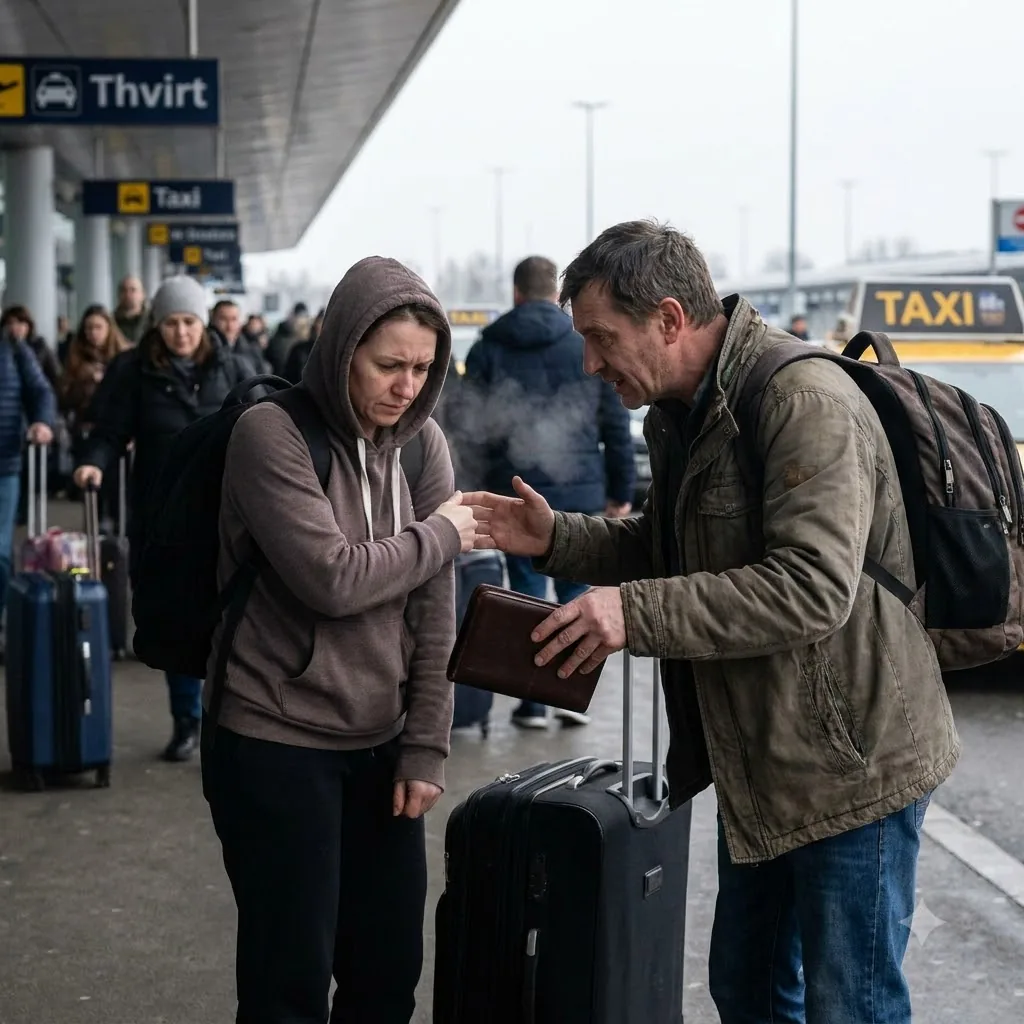
Standing at the Terminal 3 Departures Curb-side Pod amid the blast of exhaust fumes and rolling suitcases, I watched a man loudly threaten to invalidate his sister’s international flight by claiming her custom leather passport sleeve violated federal transit laws. He cornered her right against my check-in podium, using dense, fabricated customs jargon to shame her into silence while other travelers stared. The woman held the custom leather sleeve tight, her knuckles turning white as she shrank back from his public lecture, unable to defend her years of digital nomad travel against his aggressive, self-proclaimed expertise.
I adjusted my safety vest and kept my hands flat on my airline mobile terminal reader. The screen flickered with the standby security database prompt, ready to log the document check. The afternoon rush was starting, and the sound of slamming car doors and airport shuttle brakes echoed off the concrete canopy above us.
“You’re not going to make it past the gate, Maya,” the man said. His posture was stiff, his chest pushed out as he leaned over her stack of luggage. He pointed a rigid finger at the dark, monogrammed leather case holding her passport. “You think because you travel constantly you know how the international system works. But you’re completely out of your depth on standard compliance.”
The woman, Maya, glanced at the terminal entrance and then back down at her boots. She didn’t speak. She adjusted the strap of her carry-on bag, her shoulders pulled tight toward her neck.
“I’m just trying to check in my bag, Leo,” Maya said, her voice strained and barely audible over the idling engine of a nearby shuttle bus.
“And I’m trying to save you from getting detained,” Leo replied. His voice carried across the sidewalk, drawing the attention of two passengers waiting for a taxi. He looked around, his chin raised, as if ensuring the surrounding crowd was listening to his instruction. “You can’t just slap whatever aesthetic cover you want on a government-issued credential. There are strict optical character recognition guidelines that dictate physical document thickness.”
I tapped the terminal screen, bringing up the active flight manifest. I observed the way Leo stepped closer to the podium, effectively blocking Maya’s path to the counter. He was dressed in a casual sweatshirt and sneakers, his hands thrust deep into his pockets between sweeping gestures. Maya, by contrast, wore layers of travel gear, her passport sleeve already worn at the edges from transit stamps and security bins.
“Let the agent scan it,” Maya said, taking a step toward me.
“No,” Leo said, his hand darting out to press down on her wrist. “You don’t understand the legal framework here. Under the bilateral transit-sleeve protocol, any non-standard shielding material constitutes an unauthorized modification of a federal credential. They will flag you at the gate, cancel your boarding pass, and flag your passport as tampered.”
Maya stopped. She looked at the leather case in her hand, her thumb tracing the embossed letters of her initials. She did not look at Leo, nor did she look at me. She simply stood in the middle of the sidewalk, her weight shifting from one foot to the other as the queue behind her began to grow. Leo watched her, his lips pressed into a thin, satisfied line as he waited for her to step out of the line.
Standing at the Terminal 3 Departures Curb-side Pod amid the blast of exhaust fumes and rolling suitcases, I watched a man loudly threaten to invalidate his sister’s international flight by claiming her custom leather passport sleeve violated federal transit laws. He cornered her right against my check-in podium, using dense, fabricated customs jargon to shame her into silence while other travelers stared. The woman held the custom leather sleeve tight, her knuckles turning white as she shrank back from his public lecture, unable to defend her years of digital nomad travel against his aggressive, self-proclaimed expertise.
I adjusted my safety vest and kept my hands flat on my airline mobile terminal reader. The screen flickered with the standby security database prompt, ready to log the document check. The afternoon rush was starting, and the sound of slamming car doors and airport shuttle brakes echoed off the concrete canopy above us.
“You’re not going to make it past the gate, Maya,” the man said. His posture was stiff, his chest pushed out as he leaned over her stack of luggage. He pointed a rigid finger at the dark, monogrammed leather case holding her passport. “You think because you travel constantly you know how the international system works. But you’re completely out of your depth on standard compliance.”
The woman, Maya, glanced at the terminal entrance and then back down at her boots. She didn’t speak. She adjusted the strap of her carry-on bag, her shoulders pulled tight toward her neck.
“I’m just trying to check in my bag, Leo,” Maya said, her voice strained and barely audible over the idling engine of a nearby shuttle bus.
“And I’m trying to save you from getting detained,” Leo replied. His voice carried across the sidewalk, drawing the attention of two passengers waiting for a taxi. He looked around, his chin raised, as if ensuring the surrounding crowd was listening to his instruction. “You can’t just slap whatever aesthetic cover you want on a government-issued credential. There are strict optical character recognition guidelines that dictate physical document thickness.”
I tapped the terminal screen, bringing up the active flight manifest. I observed the way Leo stepped closer to the podium, effectively blocking Maya’s path to the counter. He was dressed in a casual sweatshirt and sneakers, his hands thrust deep into his pockets between sweeping gestures. Maya, by contrast, wore layers of travel gear, her passport sleeve already worn at the edges from transit stamps and security bins.
“Let the agent scan it,” Maya said, taking a step toward me.
“No,” Leo said, his hand darting out to press down on her wrist. “You don’t understand the legal framework here. Under the bilateral transit-sleeve protocol, any non-standard shielding material constitutes an unauthorized modification of a federal credential. They will flag you at the gate, cancel your boarding pass, and flag your passport as tampered.”
Maya stopped. She looked at the leather case in her hand, her thumb tracing the embossed letters of her initials. She did not look at Leo, nor did she look at me. She simply stood in the middle of the sidewalk, her weight shifting from one foot to the other as the queue behind her began to grow. Leo watched her, his lips pressed into a thin, satisfied line as he waited for her to step out of the line.